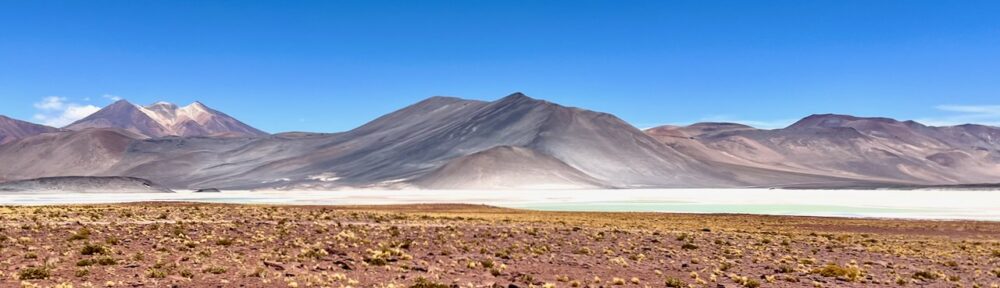
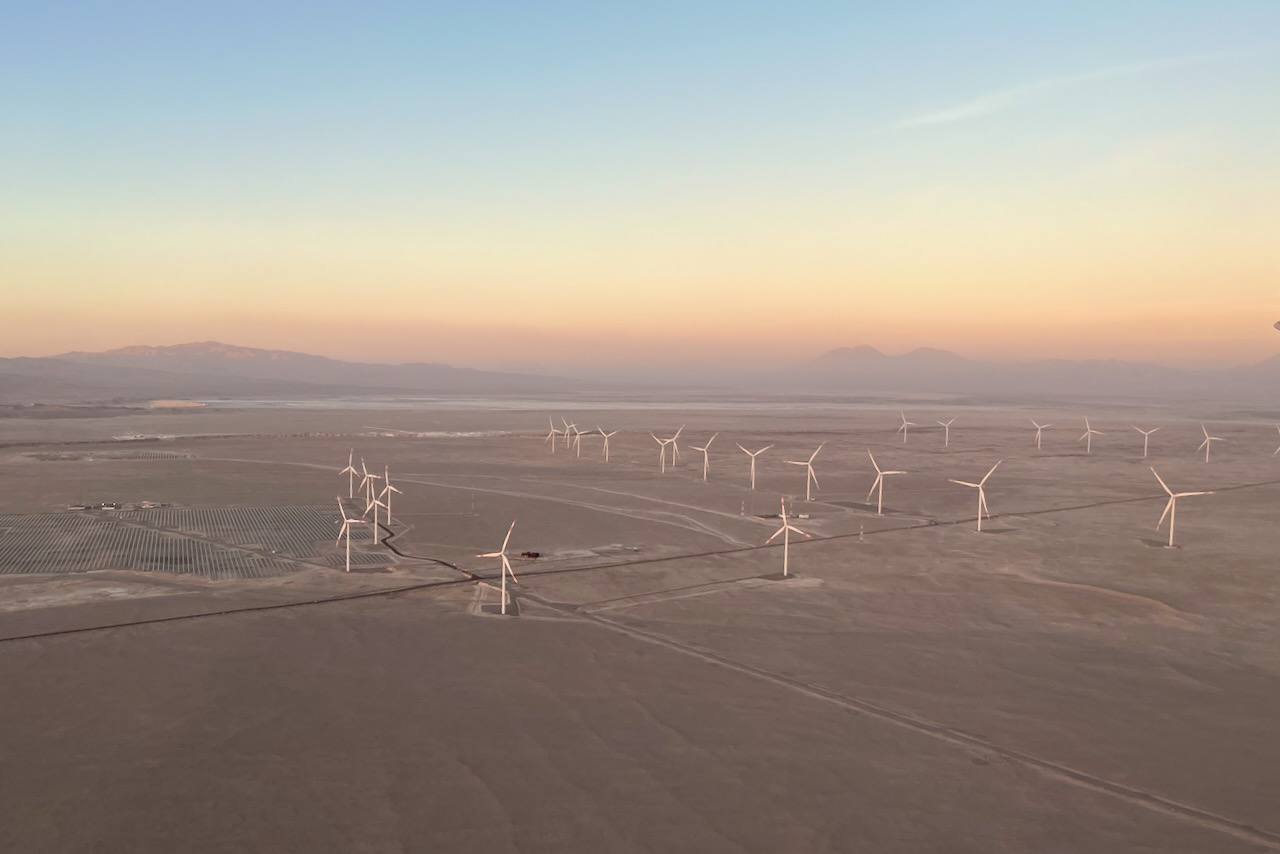
After our wonderings iin southern Patagonia, we flew over to a completely different climate and landscape of Atacama desert. We flew from Puerto Natales to Santiago and then connected to a flight to Calama. Calama is a significant mining town. Chuquicamata copper mine is the largest open pit copper mine in the world in terms of excavated volume. Flight passengers were a mix of mining employees with their families and tourists. As we were approaching Calama we also saw huge wind and solar farms stretching across the desert.
We were arriving on the last flight late in the evening and decided that we should not try to rent a car and drive 100km in the dark to San Pedro. Instead, we took a van transfer from Calama to our San Pedro hotel and then hired the car in San Pedro the next day. We were very happy about this choice as driving at night on an unfamiliar road with fair bit of truck traffic would have been challenging.
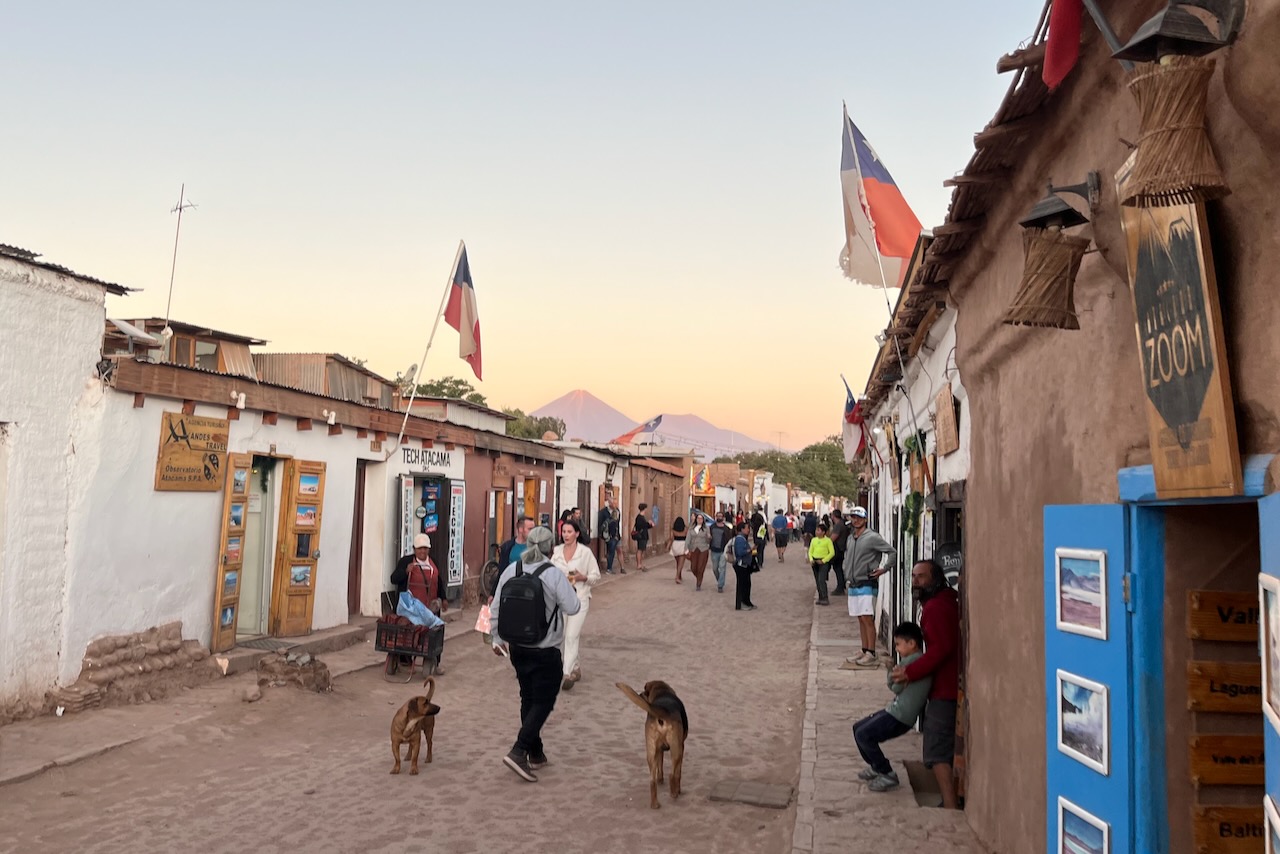
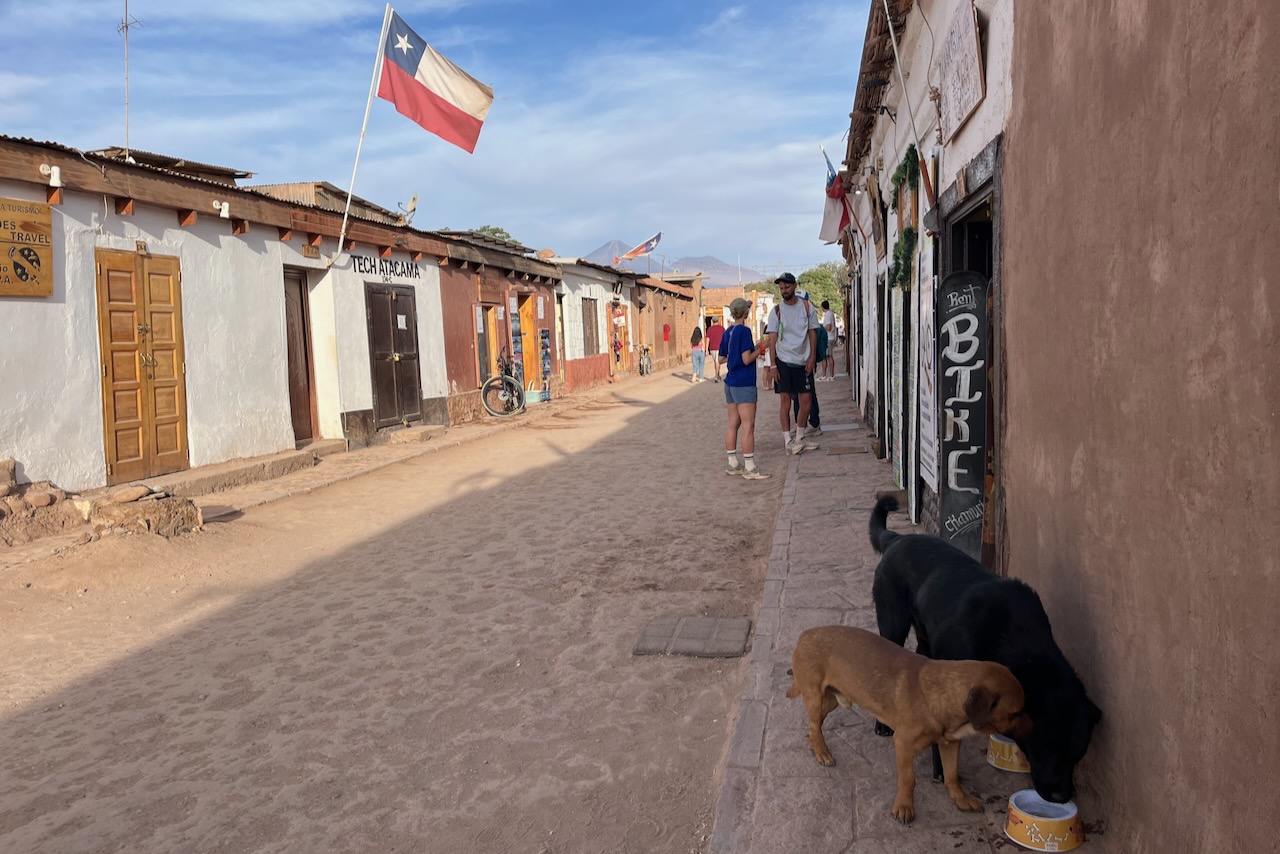
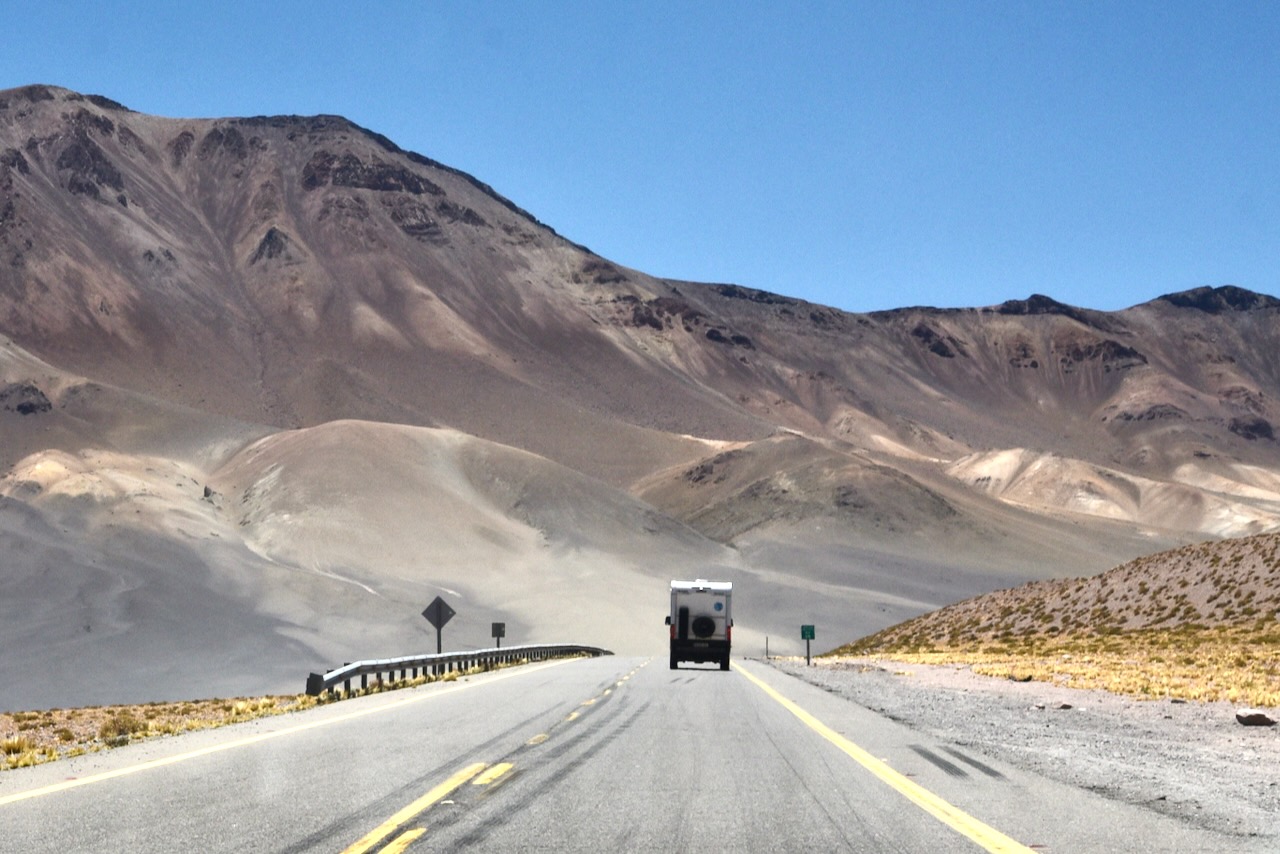
San Pedro de Atacama is a tiny oasis town in the middle of the desert and is the main base for tourists coming to explore Atacama desert. One option is to take day tours to various attractions in the desert, including trips to Bolivia’s Uyumi salt flats. The main street of San Pedro is full of travel agencies organizing trips. Another alternative is to self-drive. We hired a compact SUV and drove around ourselves. Roads we were on were mostly paved and in a very good condition.
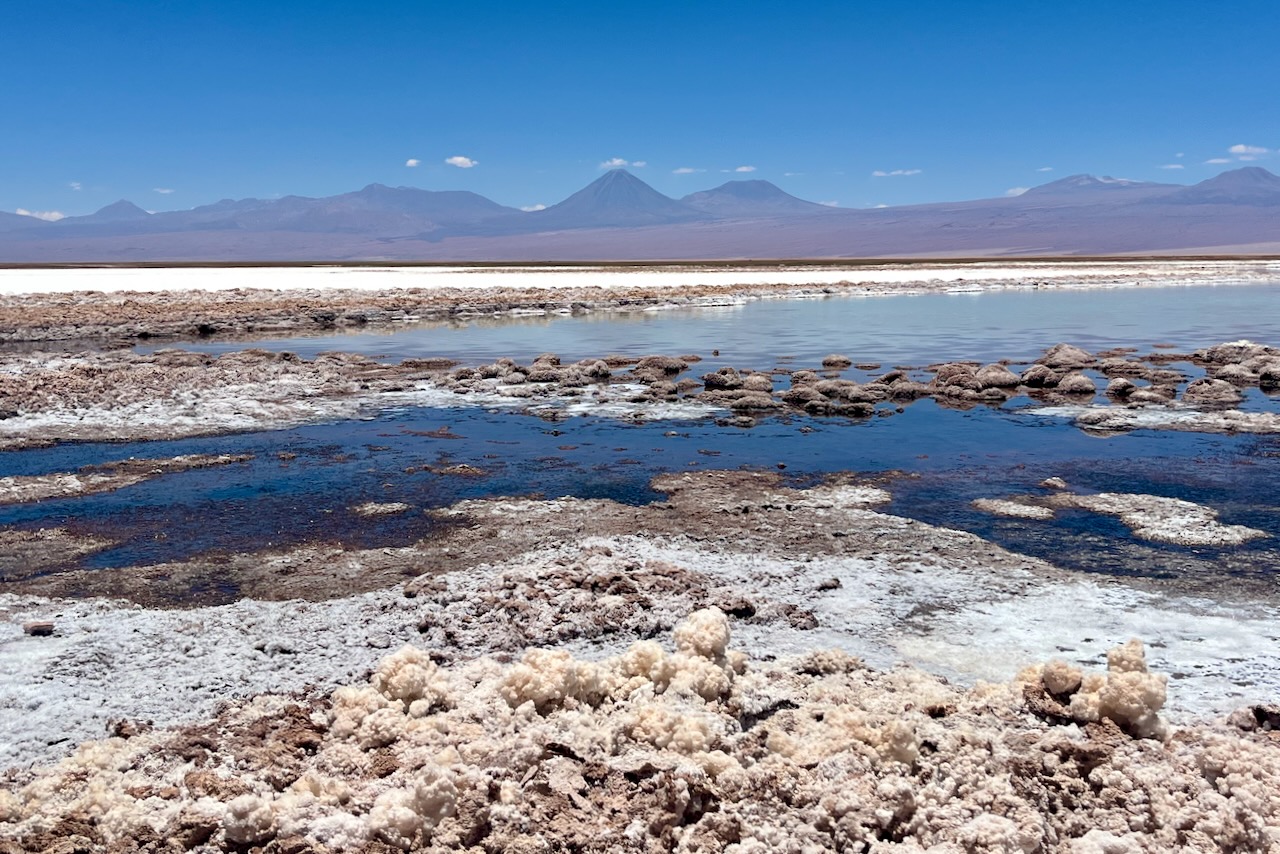
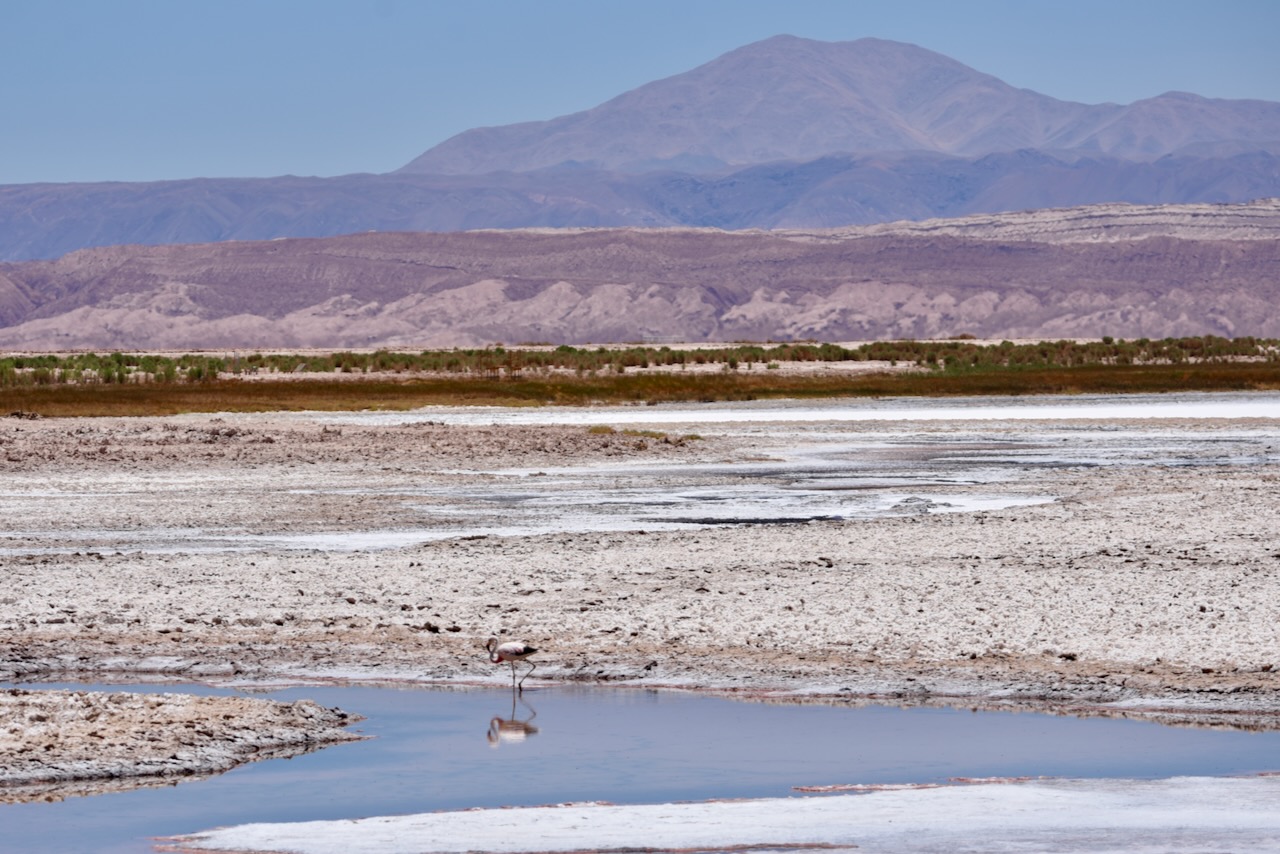
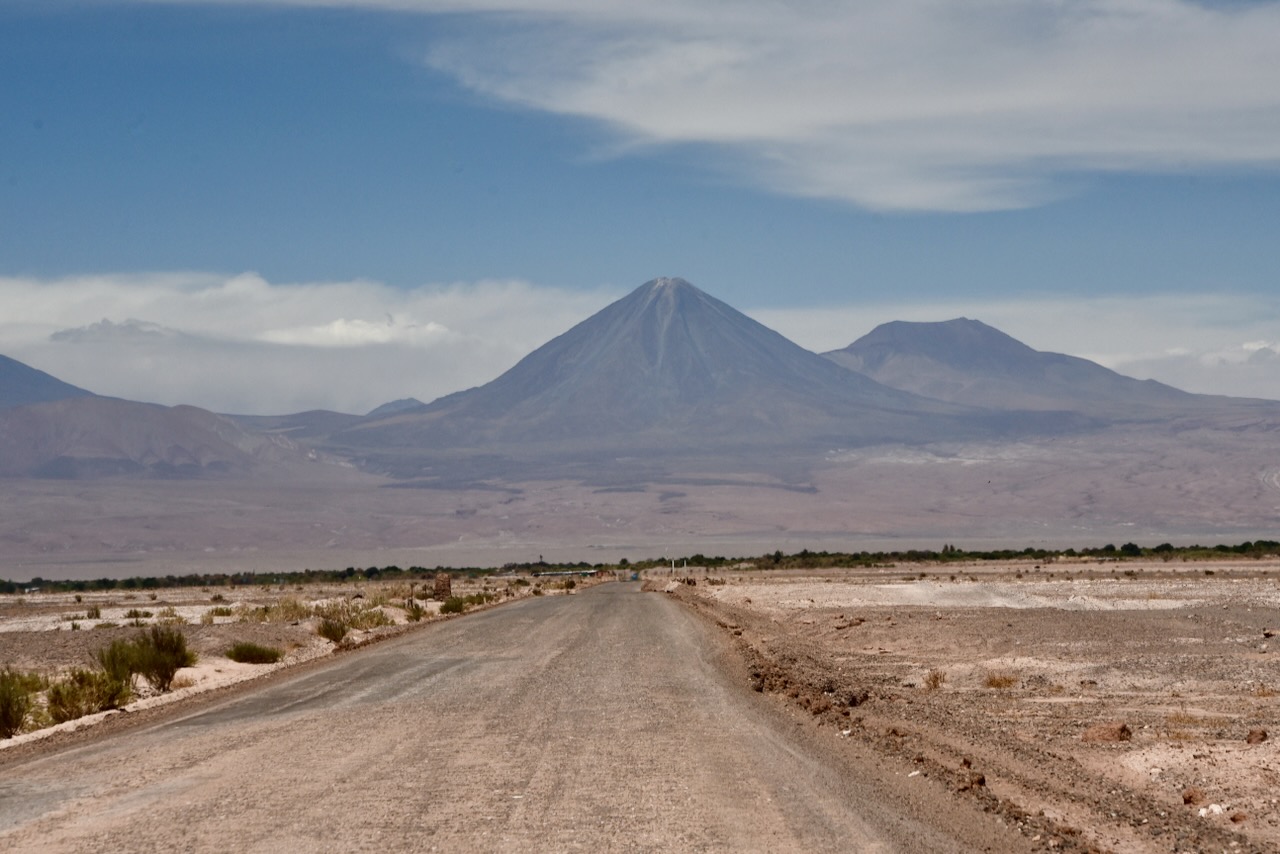
Atacama is the driest and likely the oldest desert on Earth. Stuck between two mountain ranges it does not get any moisture from either Atlantic or Pacific ocean. It has surreal landscapes with volcanoes and salt flats. On the first day we headed to Laguna Chaxa about 50km from San Pedro. The water in this lagoon is very shallow and salty. You can see salt formations all over. Despite inhospitable environment, flamingos live at this lagoon. We saw only one flamingo roaming around when we visited.
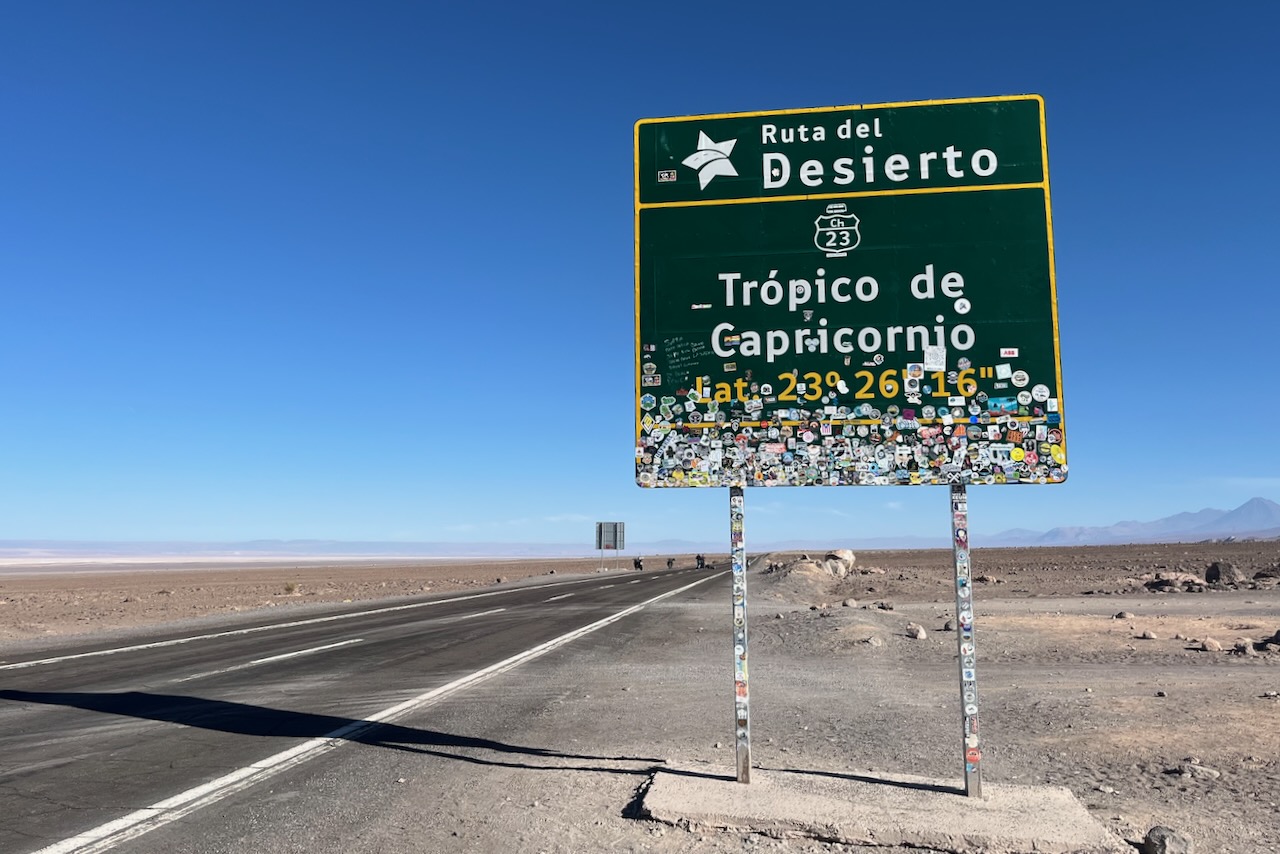
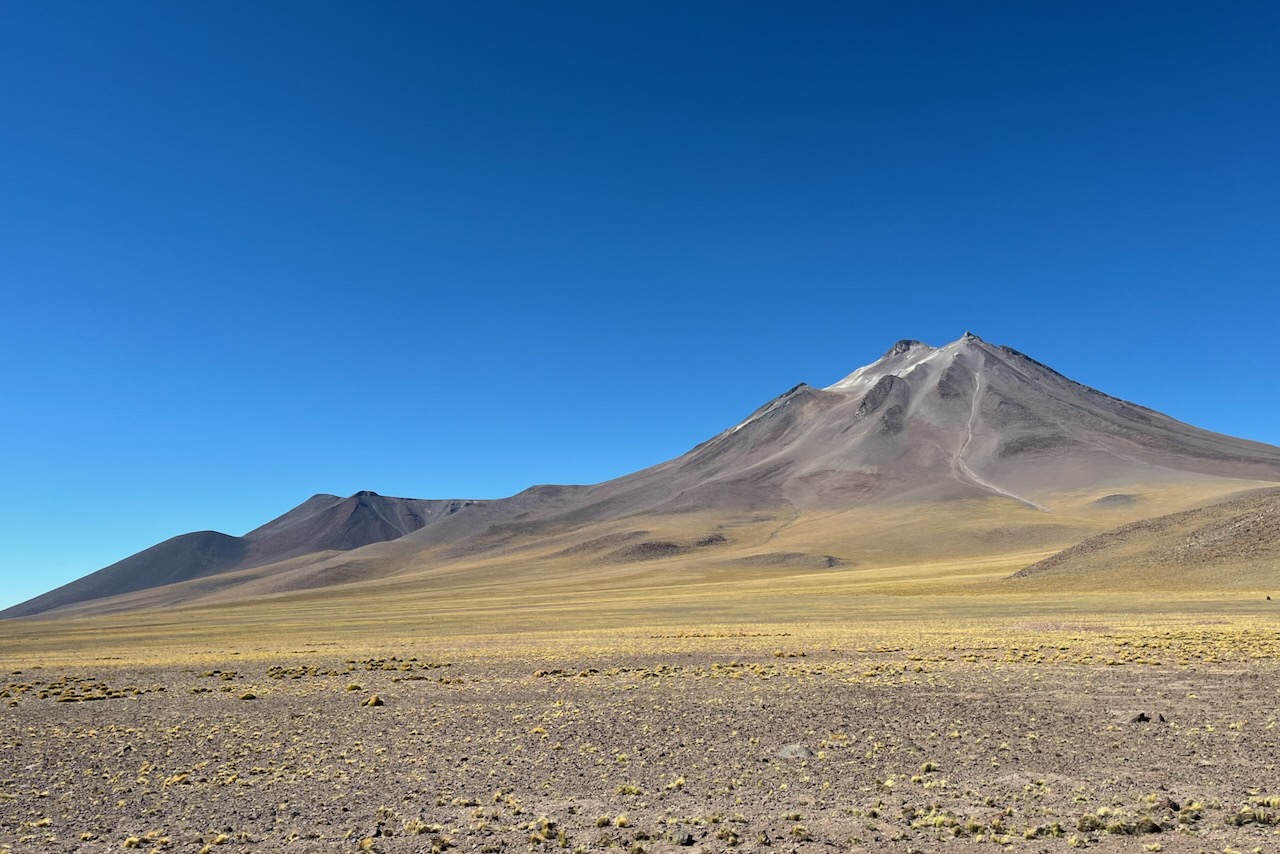
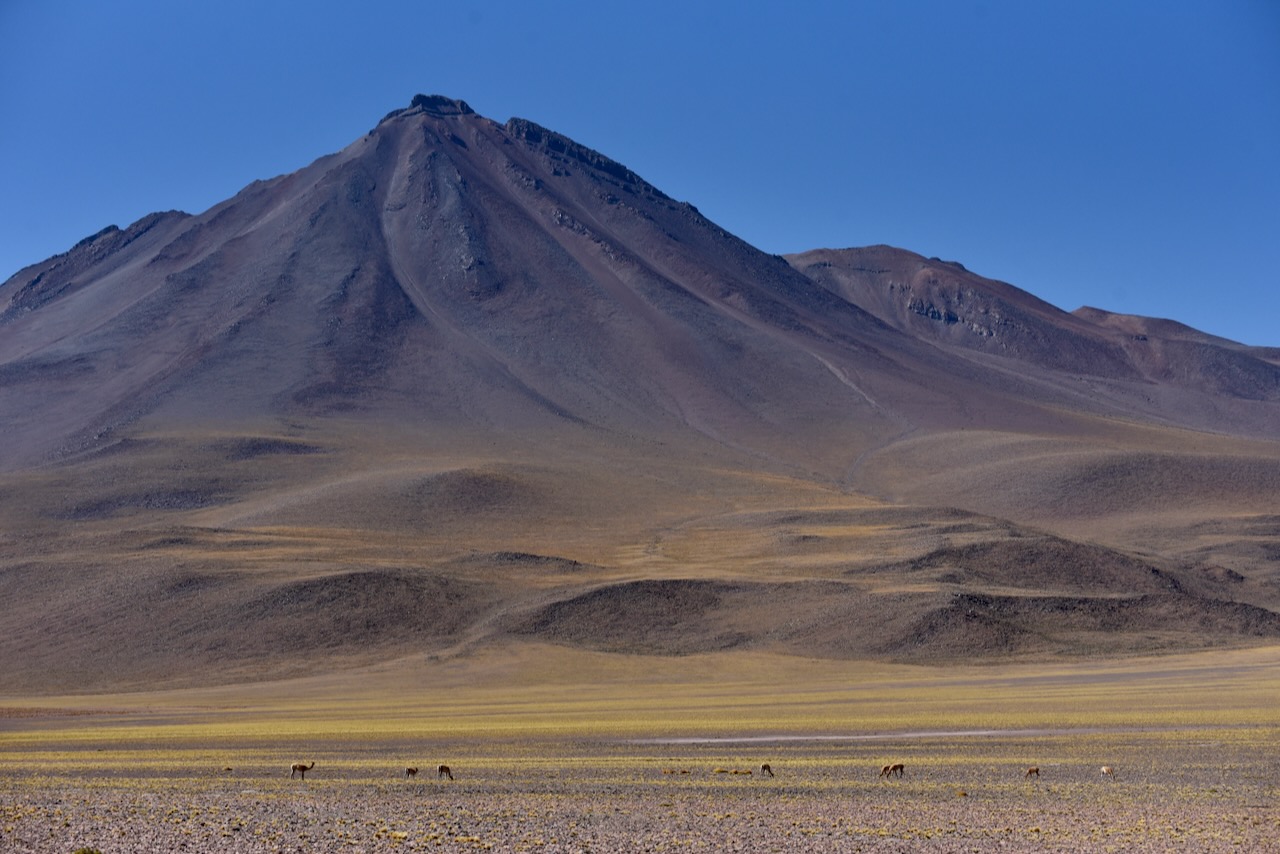
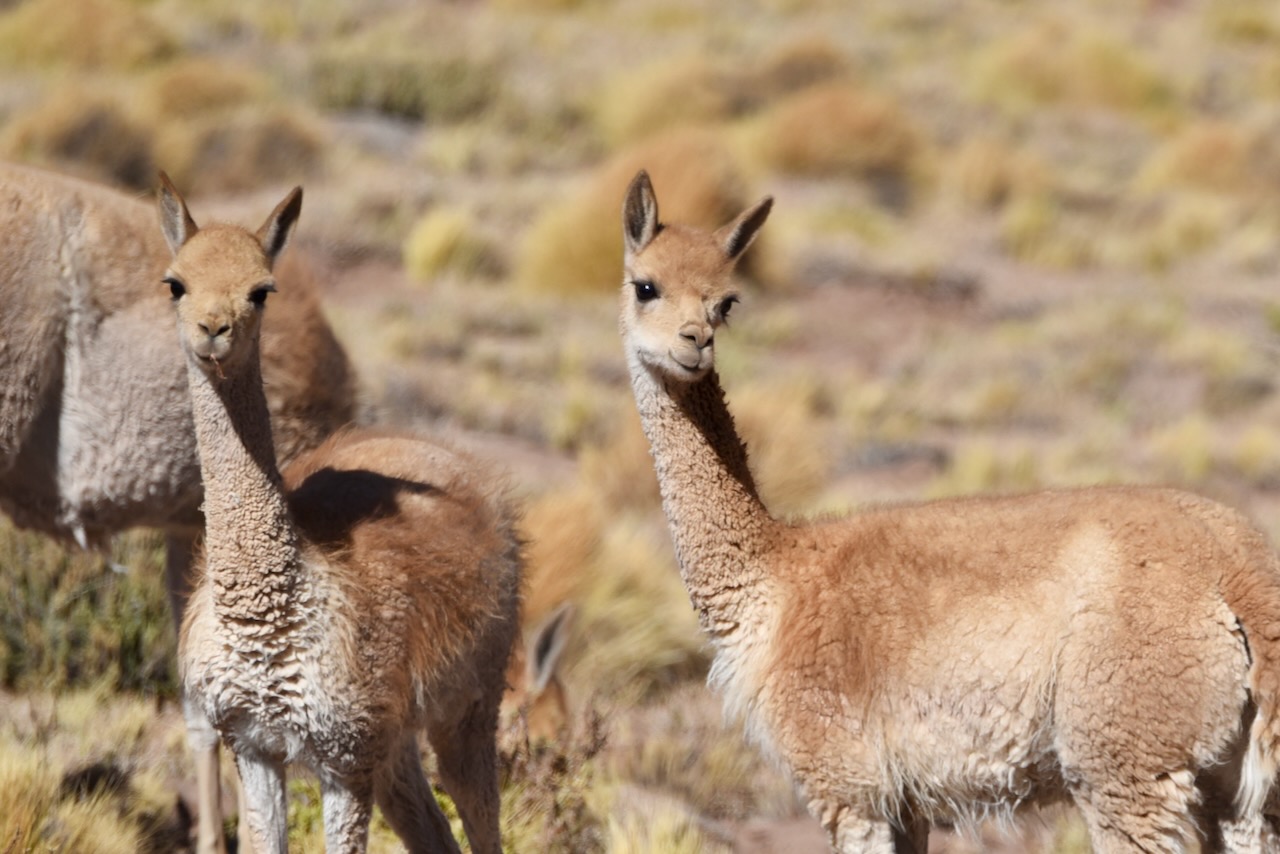
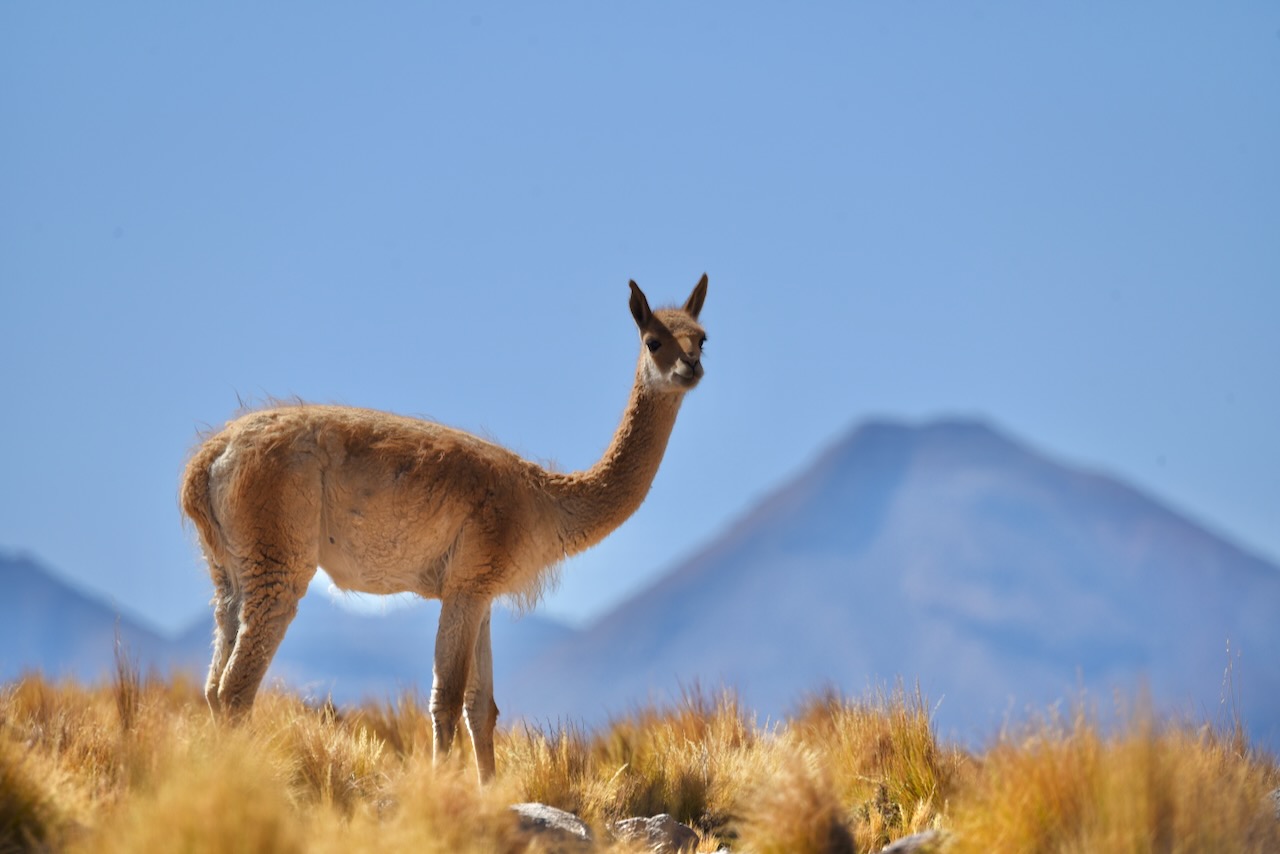
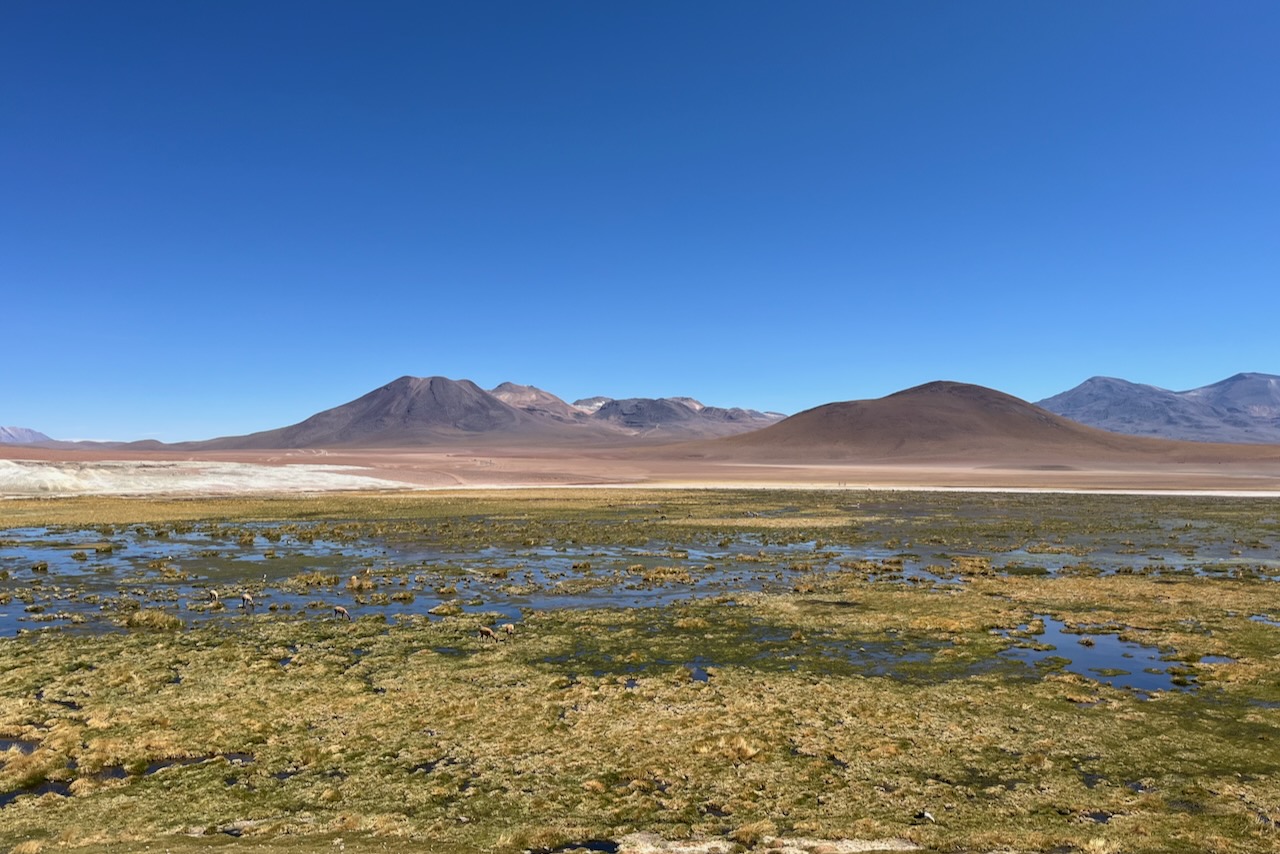
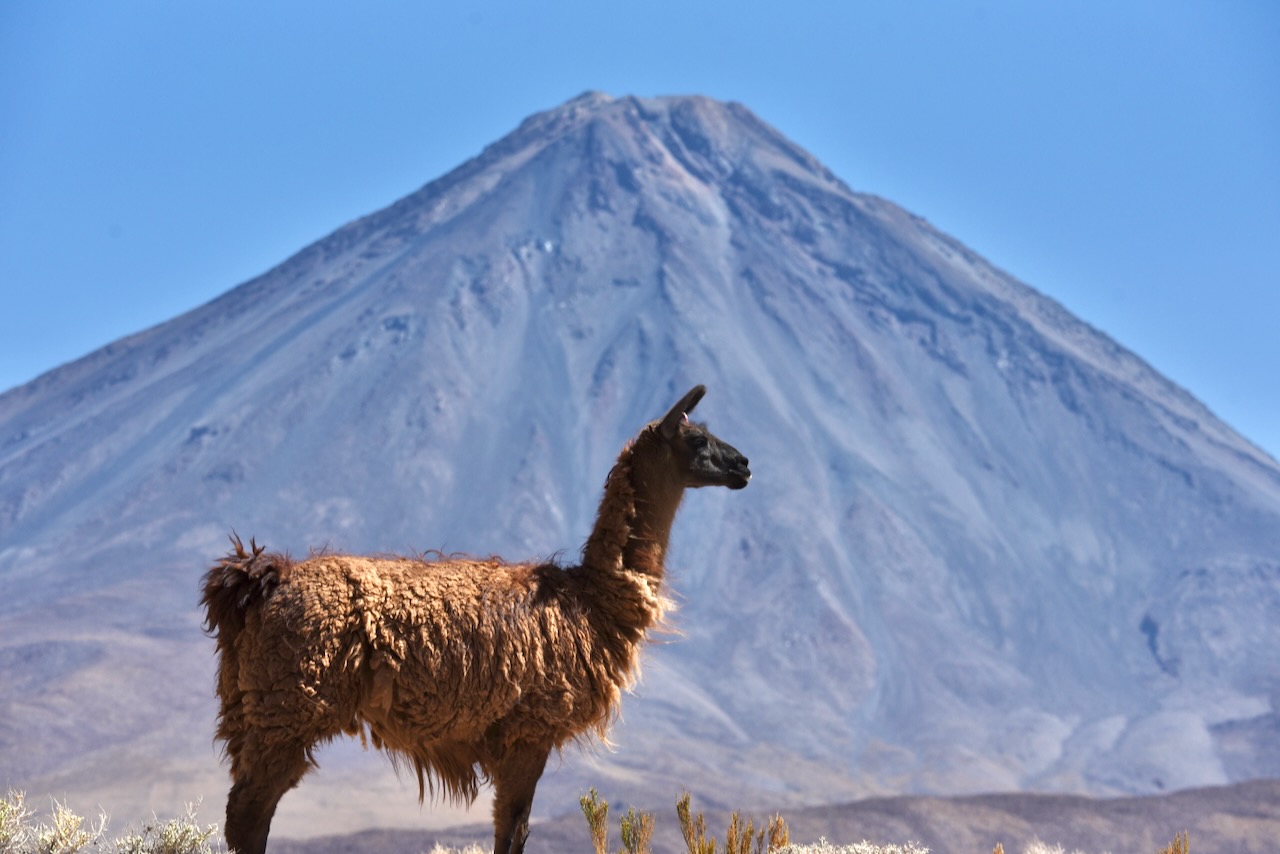
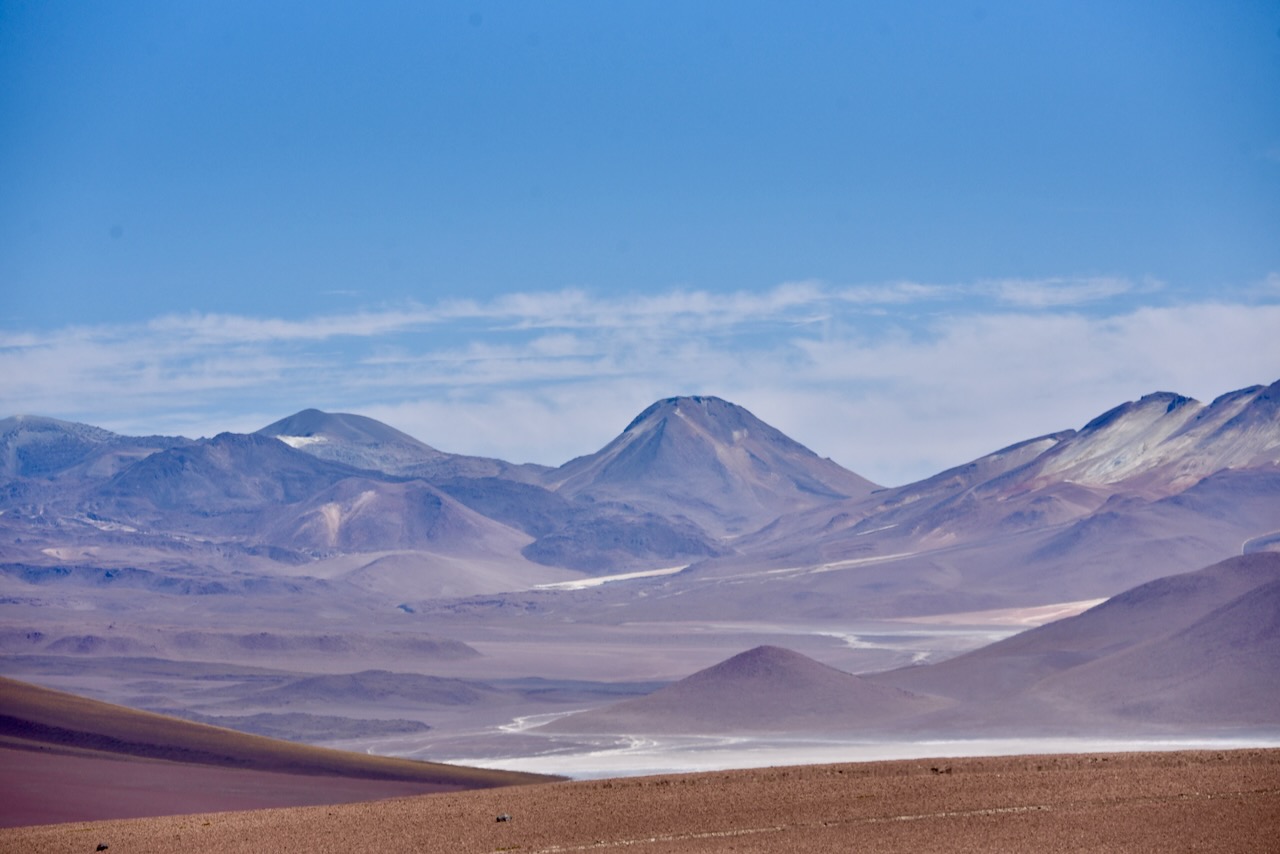
The next day we headed south along ruta 23 to Laguna Miscanti, Piedras Rojas and Aguascalientes. The road is paved and in a very good condition ultimately going to Argentina border. The views along the way were phenomenal. We crossed the tropic of Capricorn. We saw some lamas (not wild) near town, some vicunas (wild and very skittish) and some flamingos.
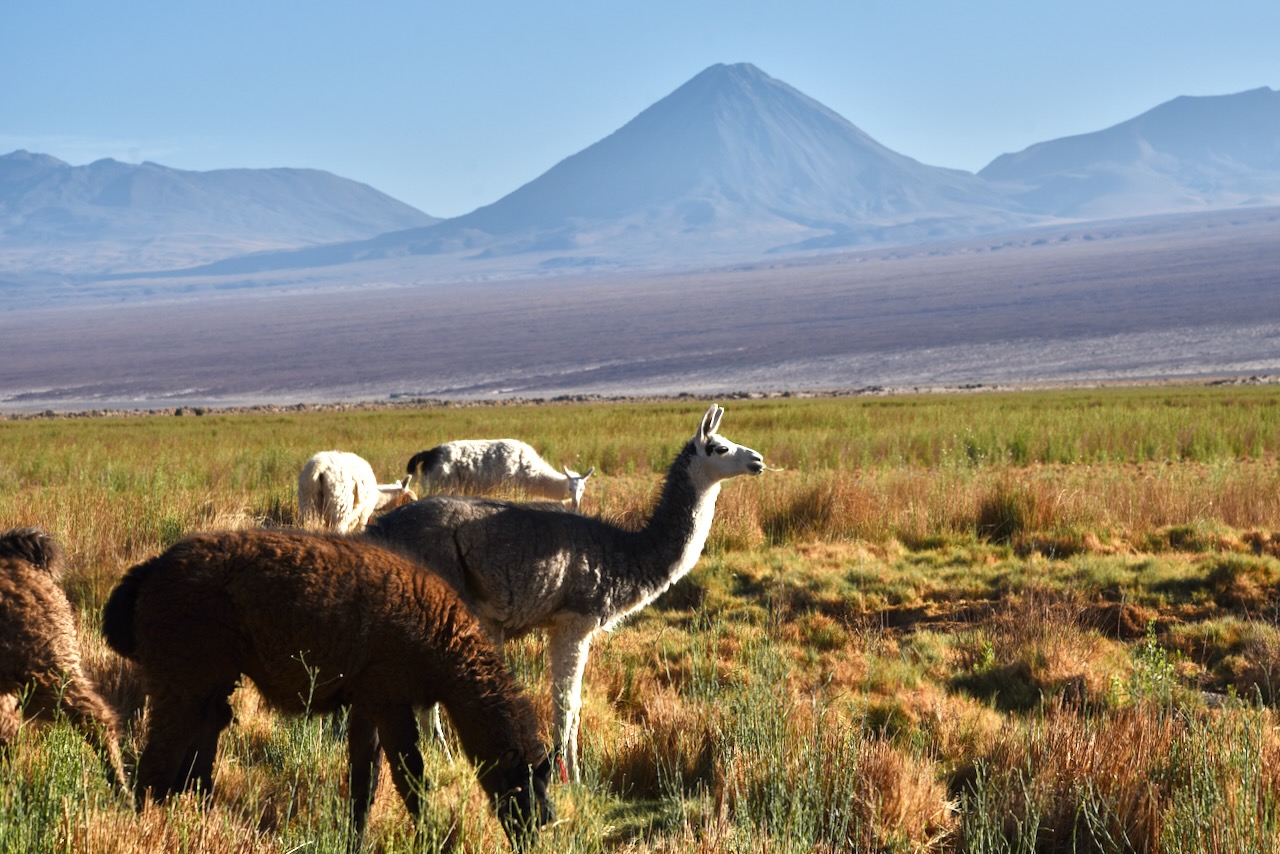
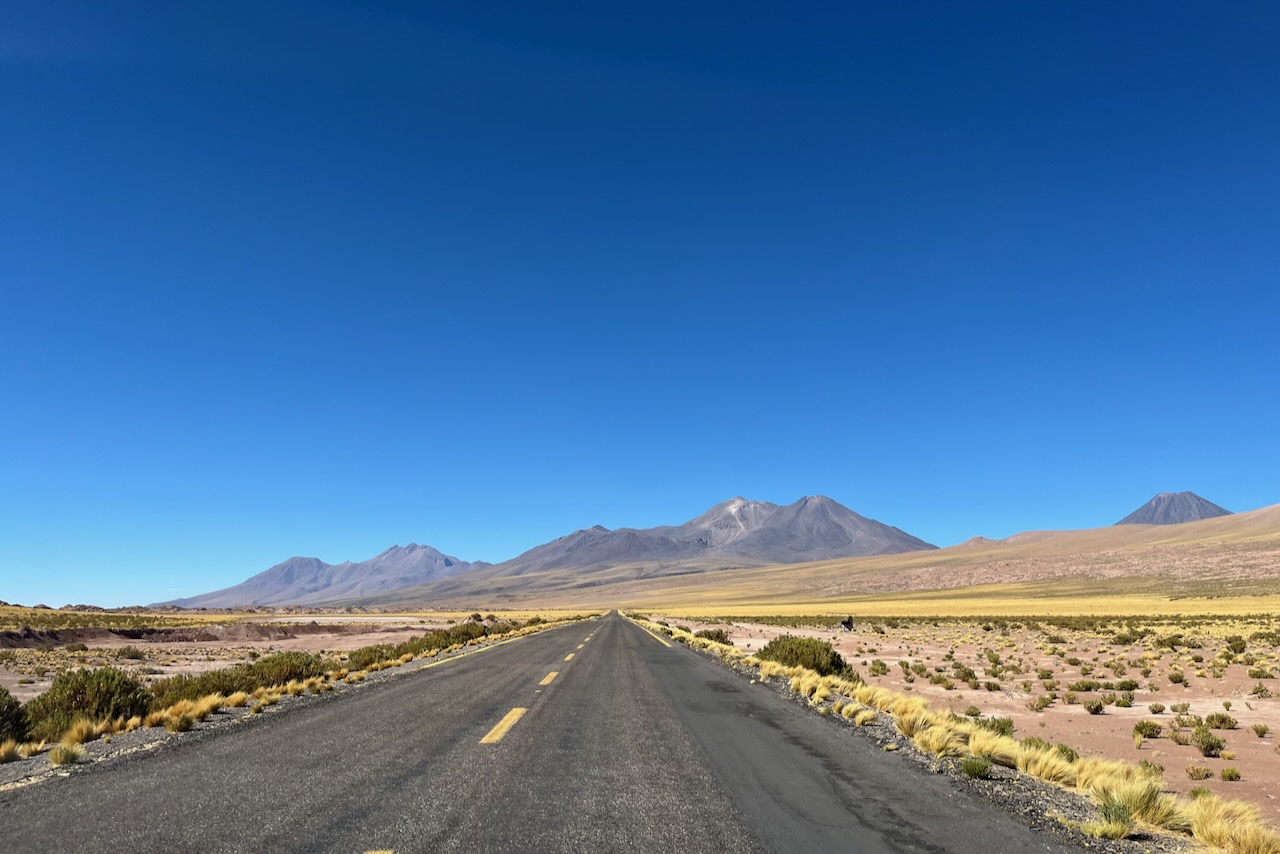
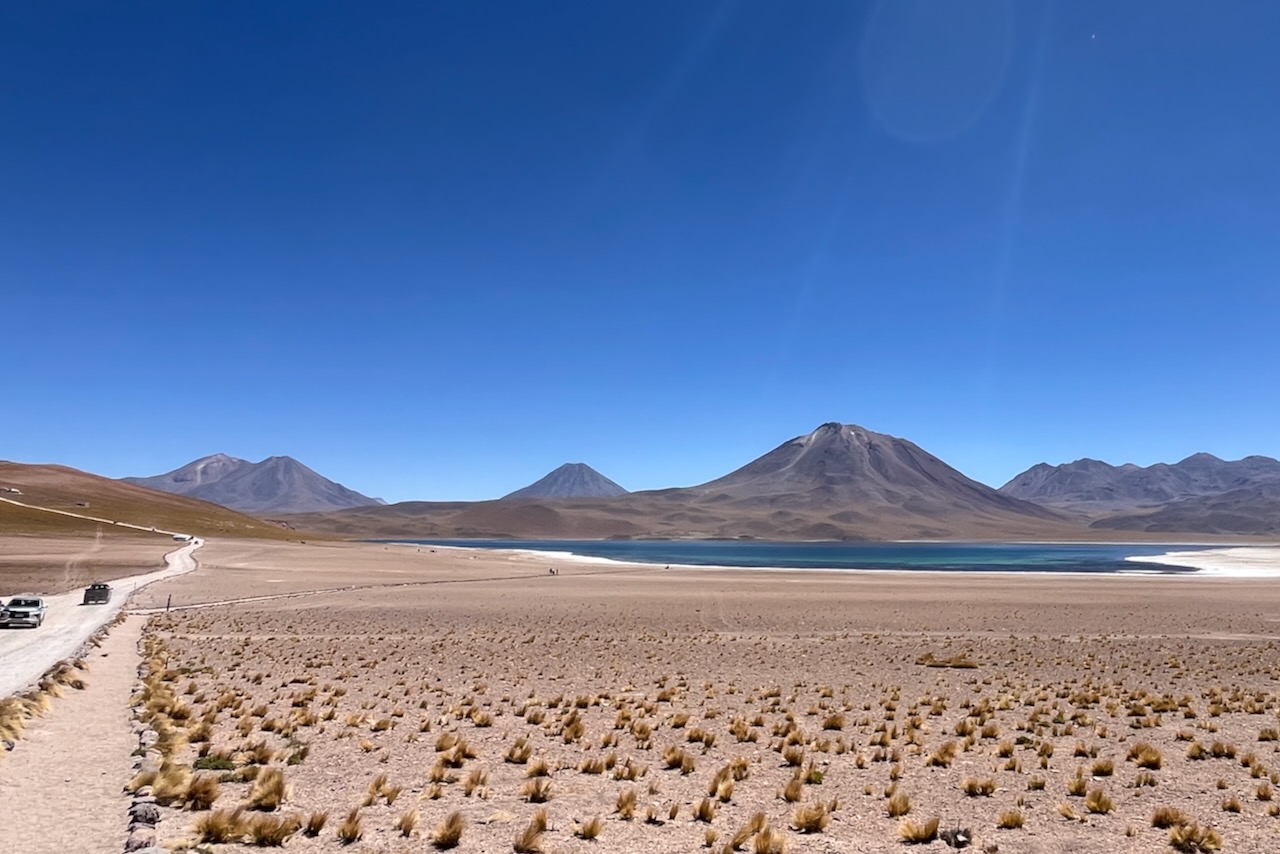
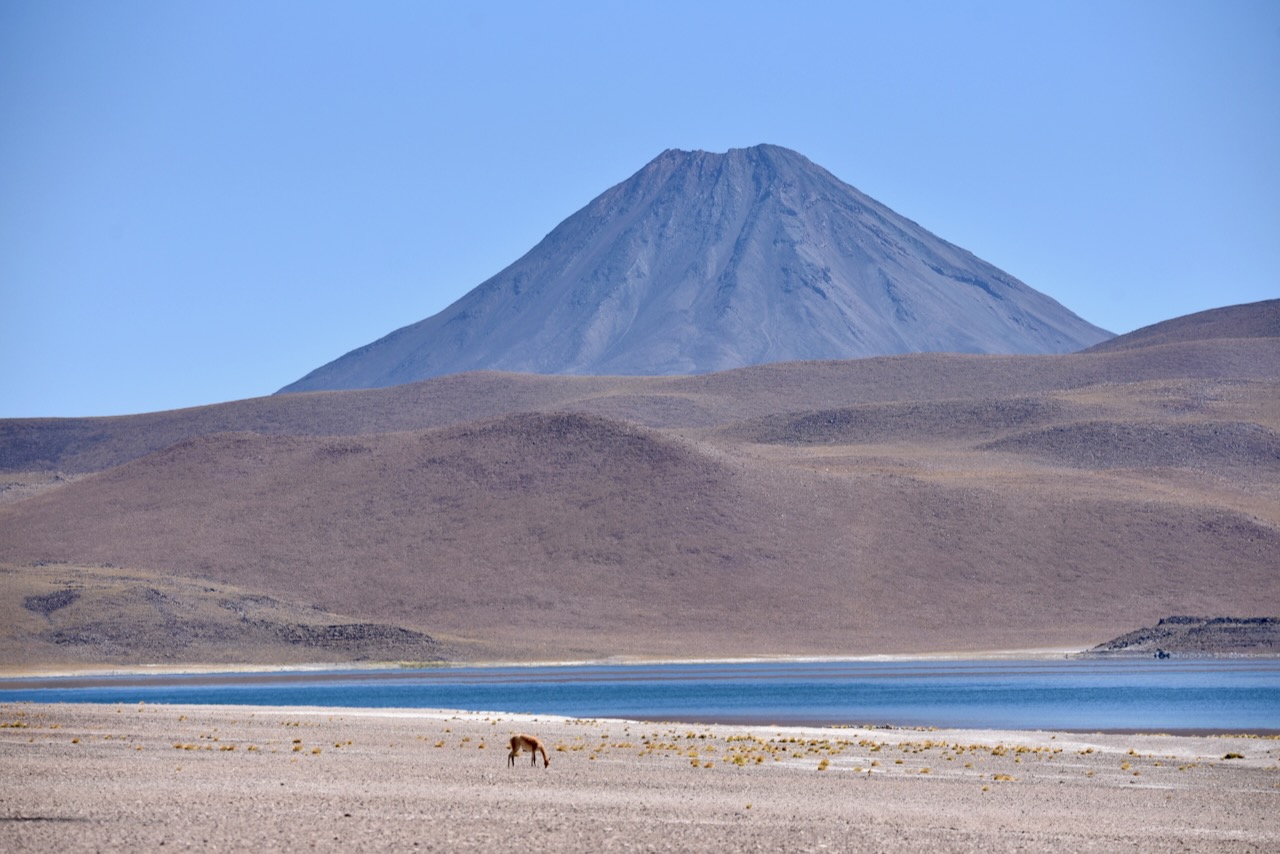
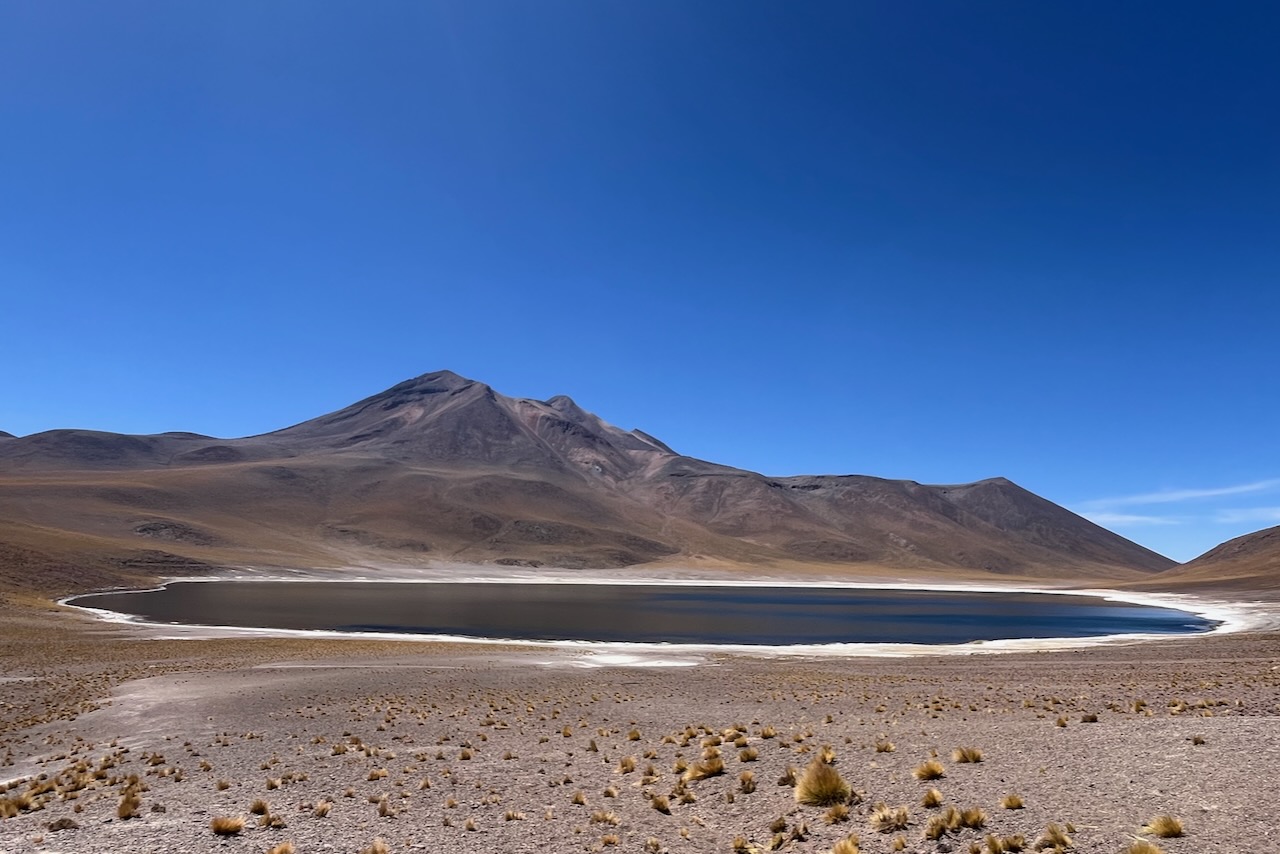
The scenery along the route was breathtaking but as we riached Piedras Rojas/Aguascalientes it just hit an entire new level. Important to note that Piedras Rojas sits at about 4,000-4,200m elevation and one can get altitude sickness symptoms. There is an organized parking and a walking trail around Piedras Rojas and when we were there there were quite a few visitors – both van and tour bases and self-driving. The beauty of the place is unreal. We were just staring in ave of nature able to create such marvels.
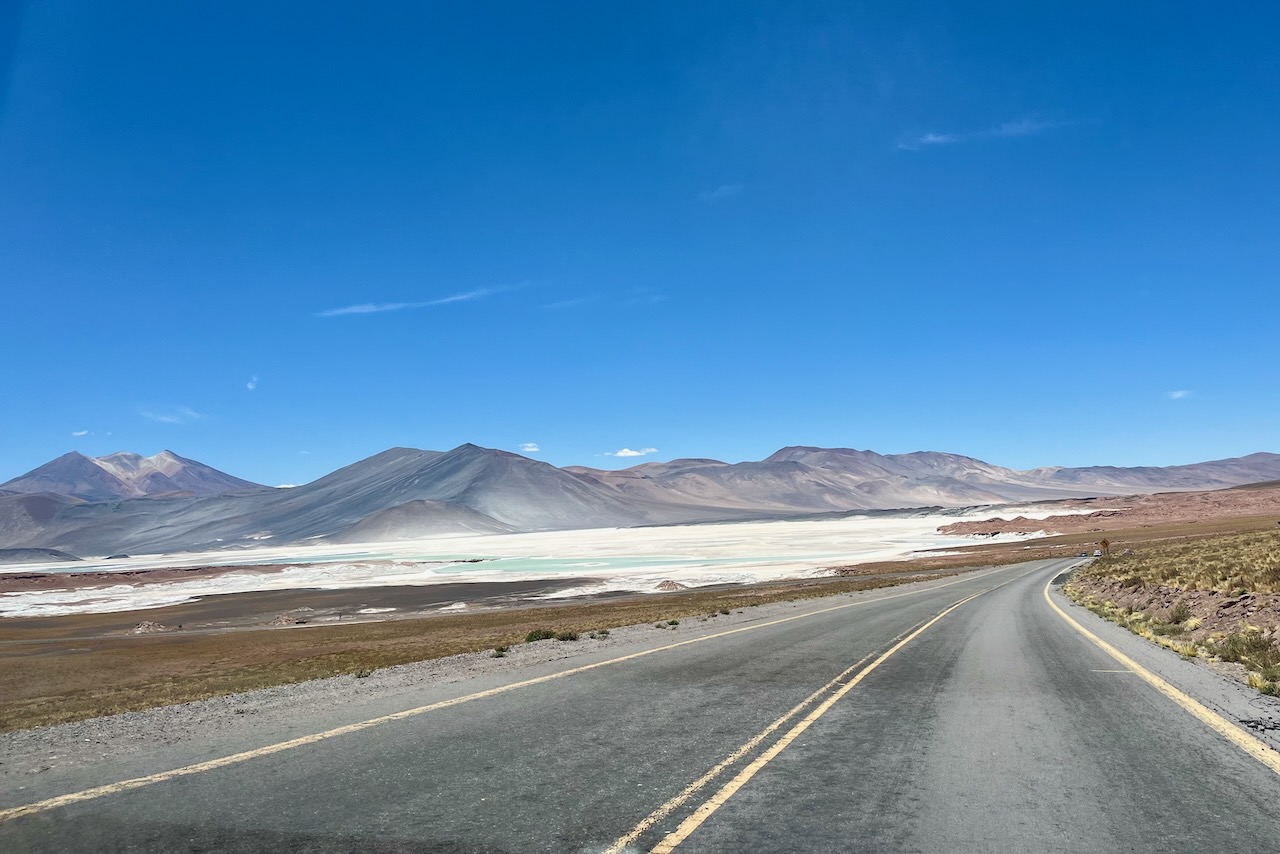
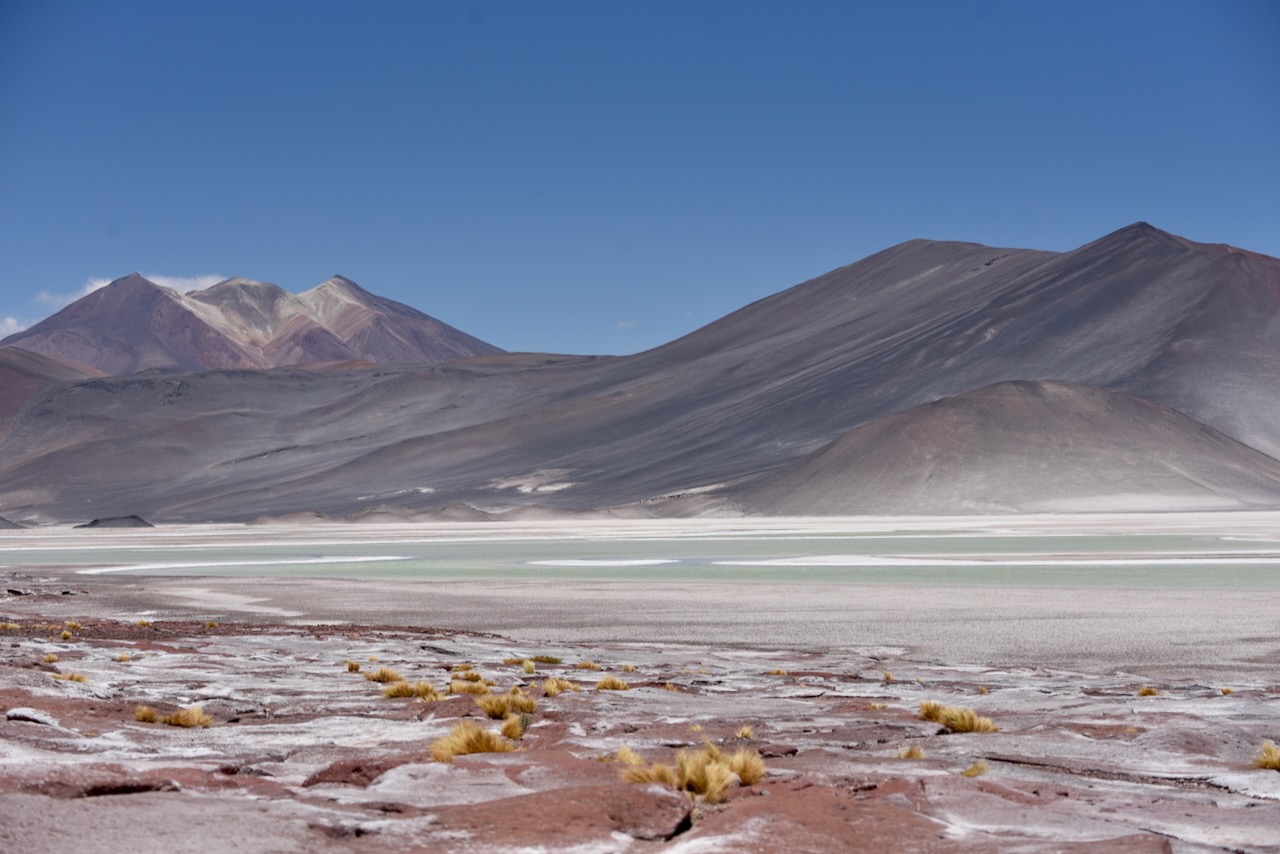
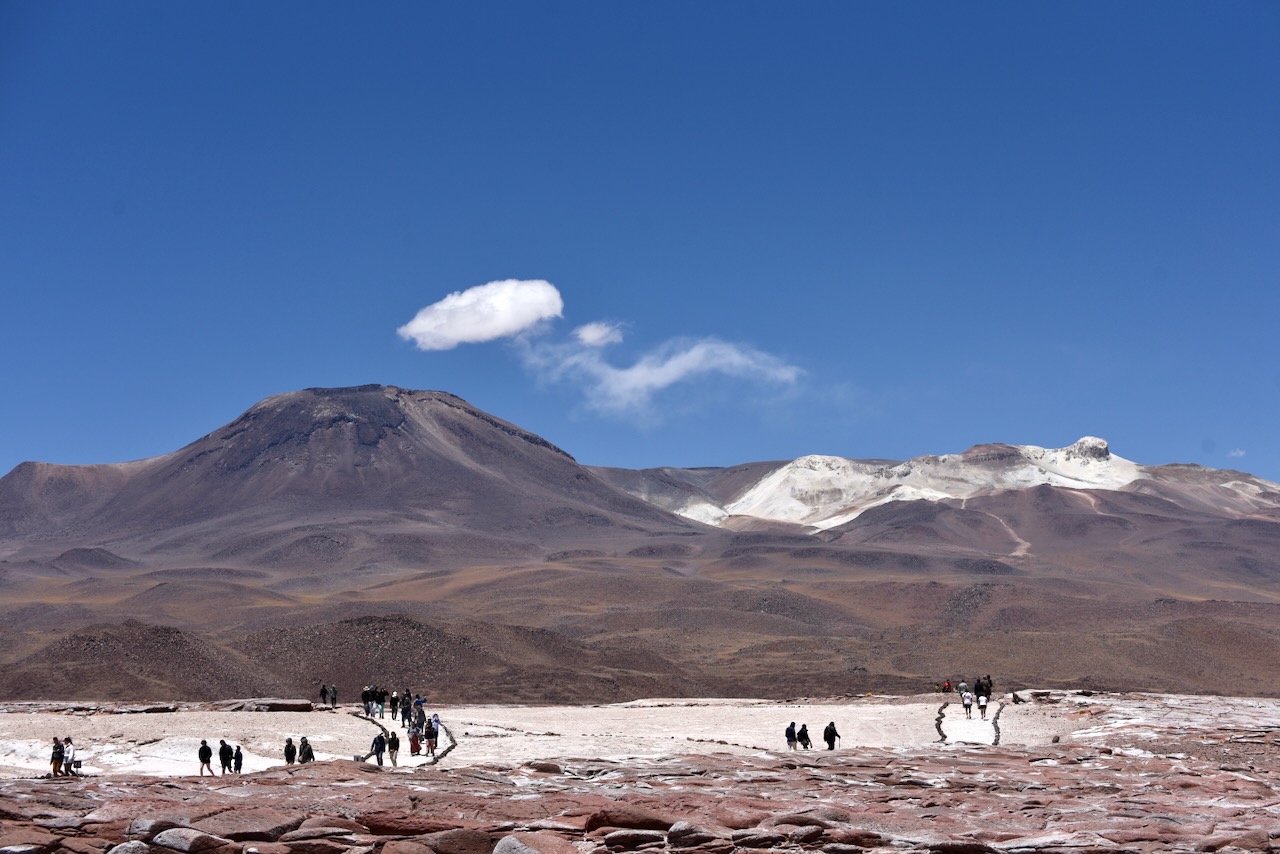
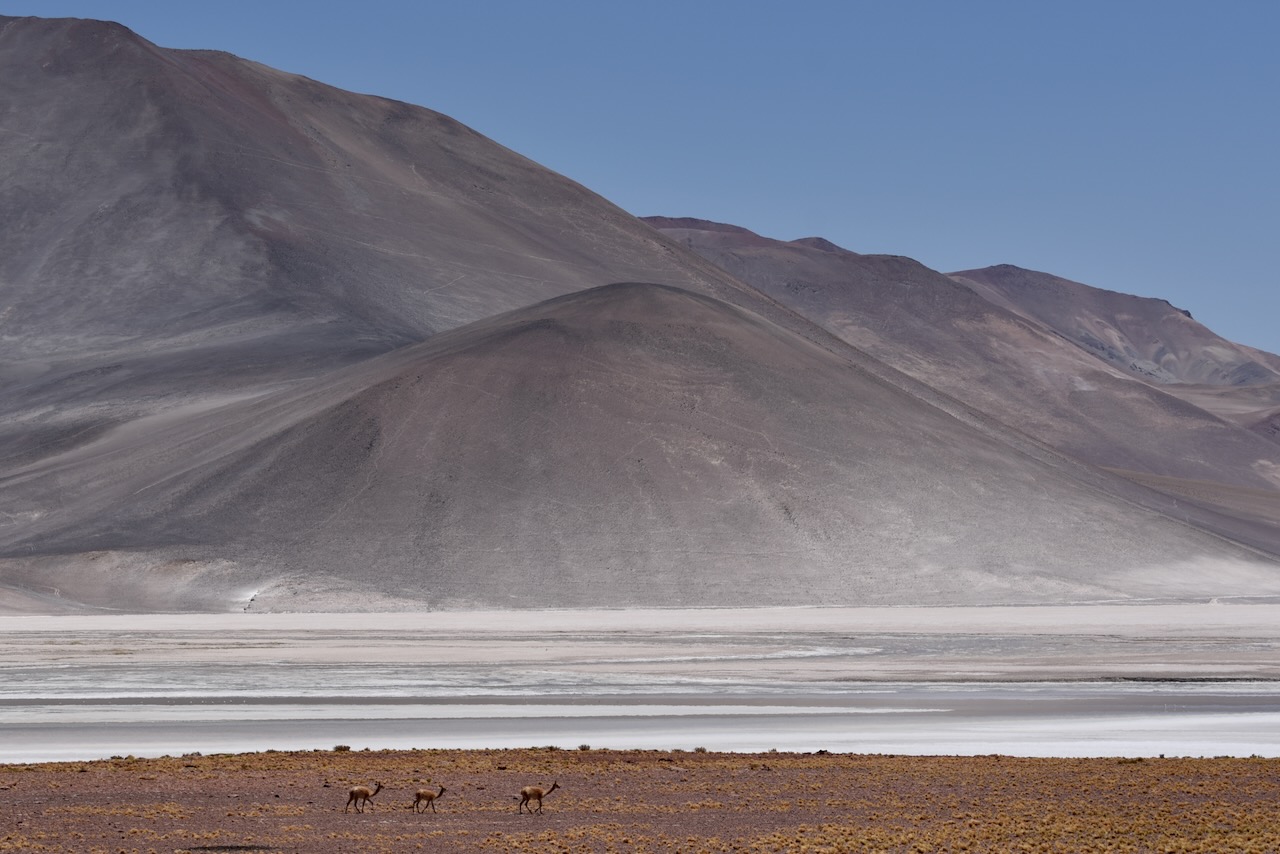
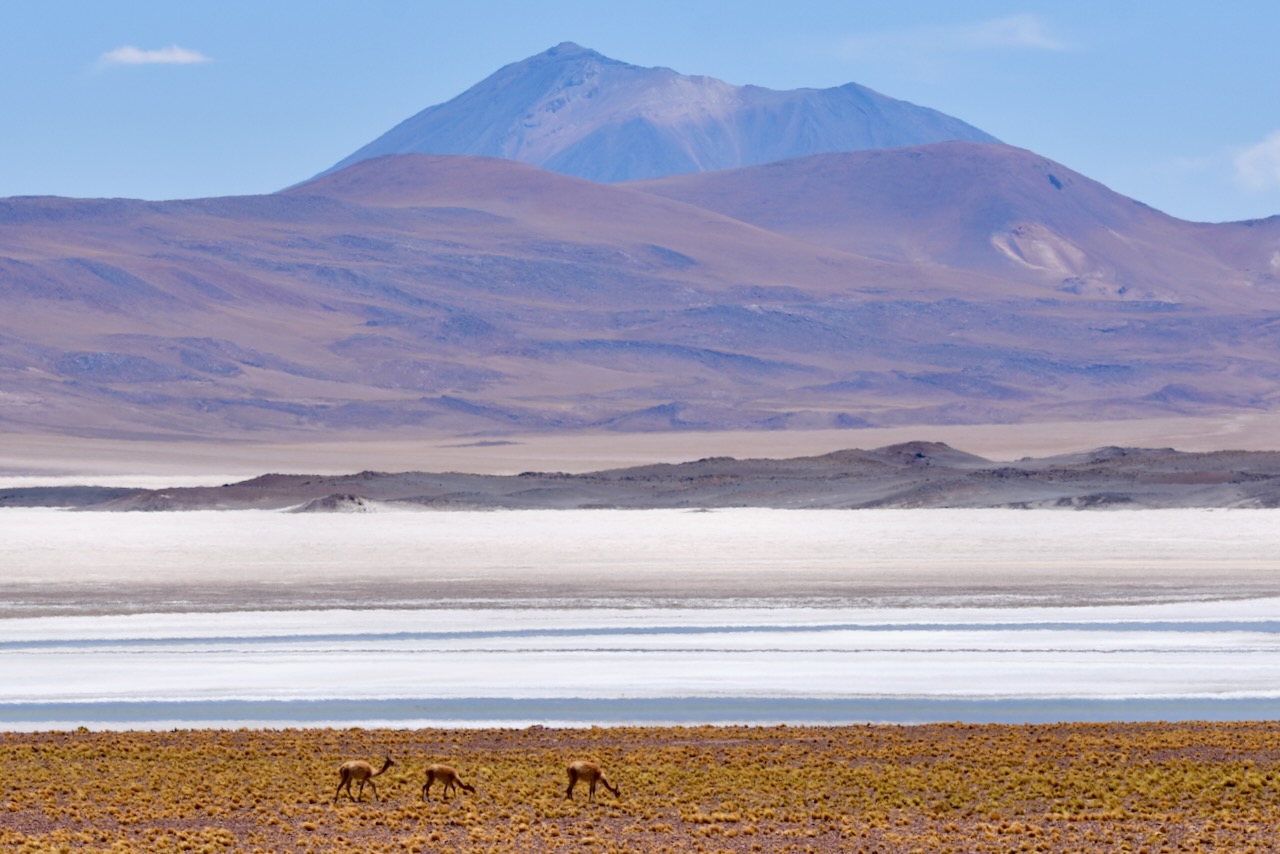
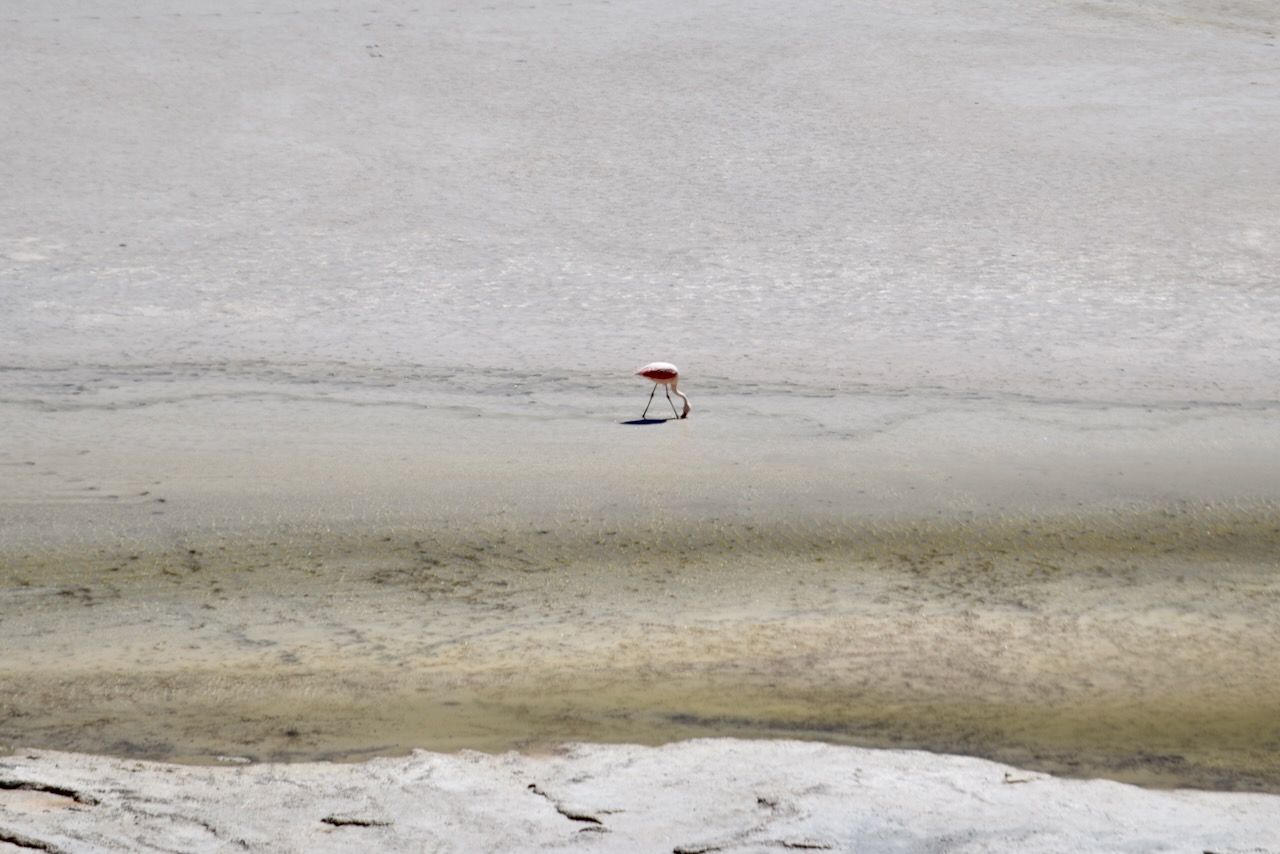
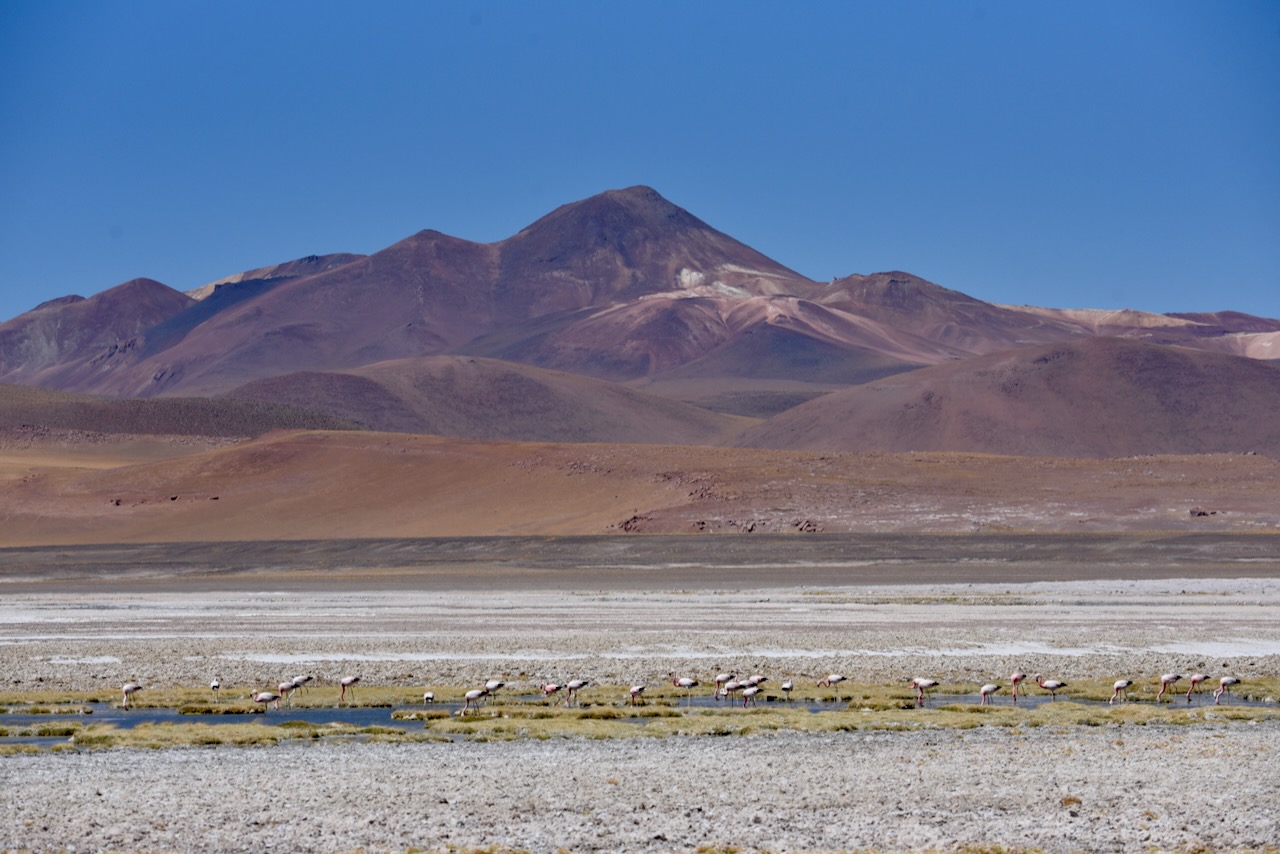
We decided to drive a little further past Piedras Rojas to see what we see, without reaching Argentina border. We reached Laguna Tayajto which had quite a few flamingos. Flamingos must have flown from the more touristy lagoons to this one – we were the only ones there.
We then headed further and saw very cool rock formations with what looked like a volcano at the back. There was no traffic, vicunas were roaming on the road and argentina border was about 30km away.
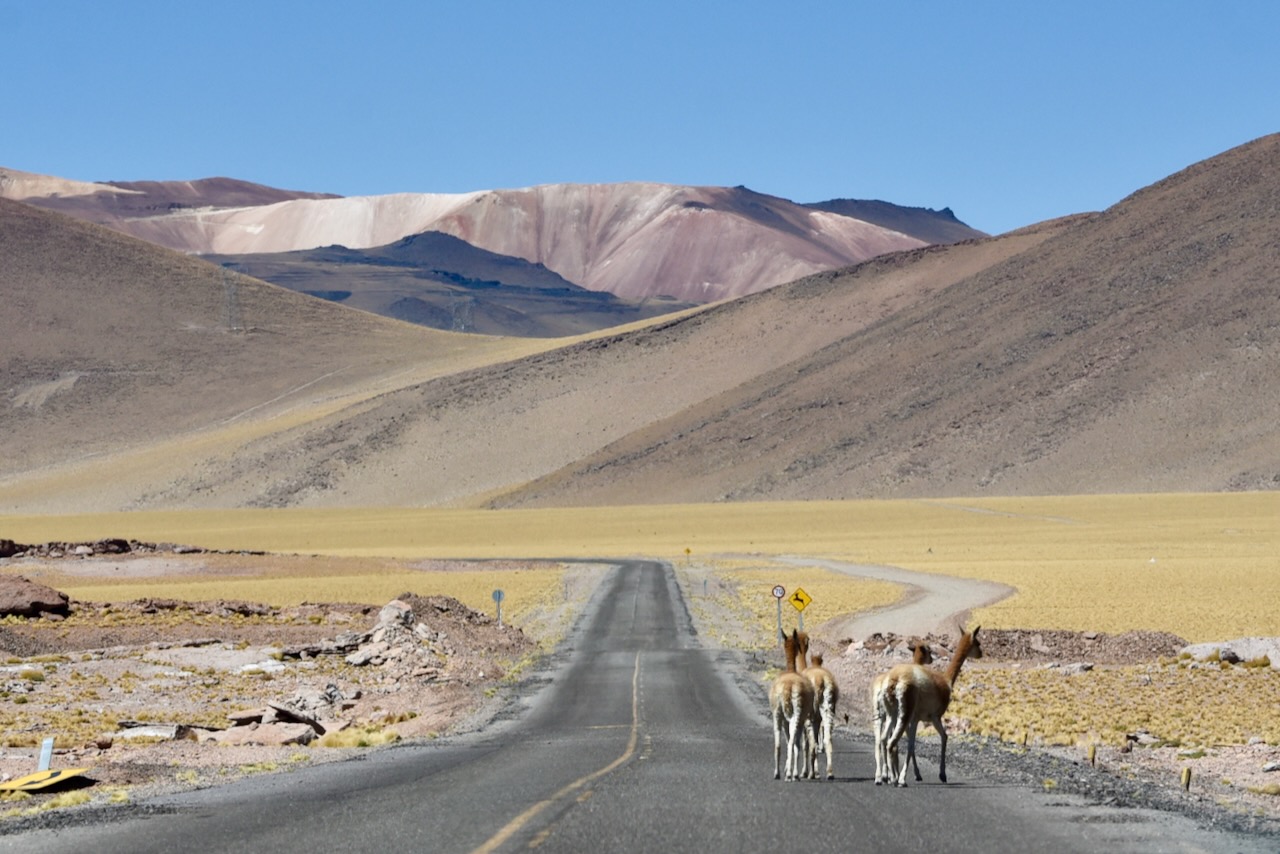
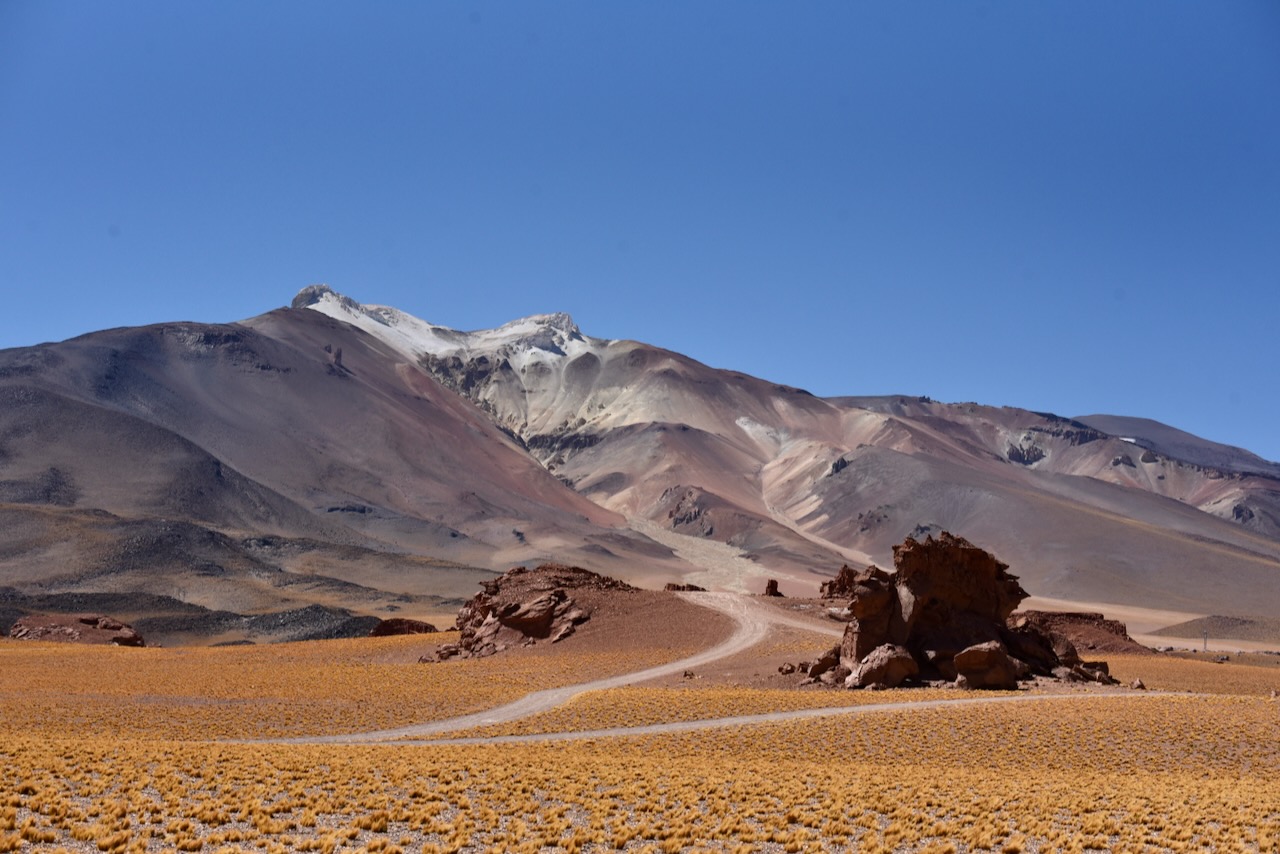
It was time to turn around and start heading back to San Pedro de Atacama.
The next day we were going to El Tatio geysers. The geysers are 90km away from San Pedro. They sit at 4,320 elevation and there is more than 80 active geysers. Anything one reads about it says that one has to go early in the morning to watch them at sunrise. So there we were waking up at 4:30 am and driving off into darkness. We were worried about driving in the dark on very windy roads. But turns out El Tatio is quite an attraction.There was a stream of vans and cars heading towards it. It felt like driving in a gigantic convoy of a hundred vehicles.
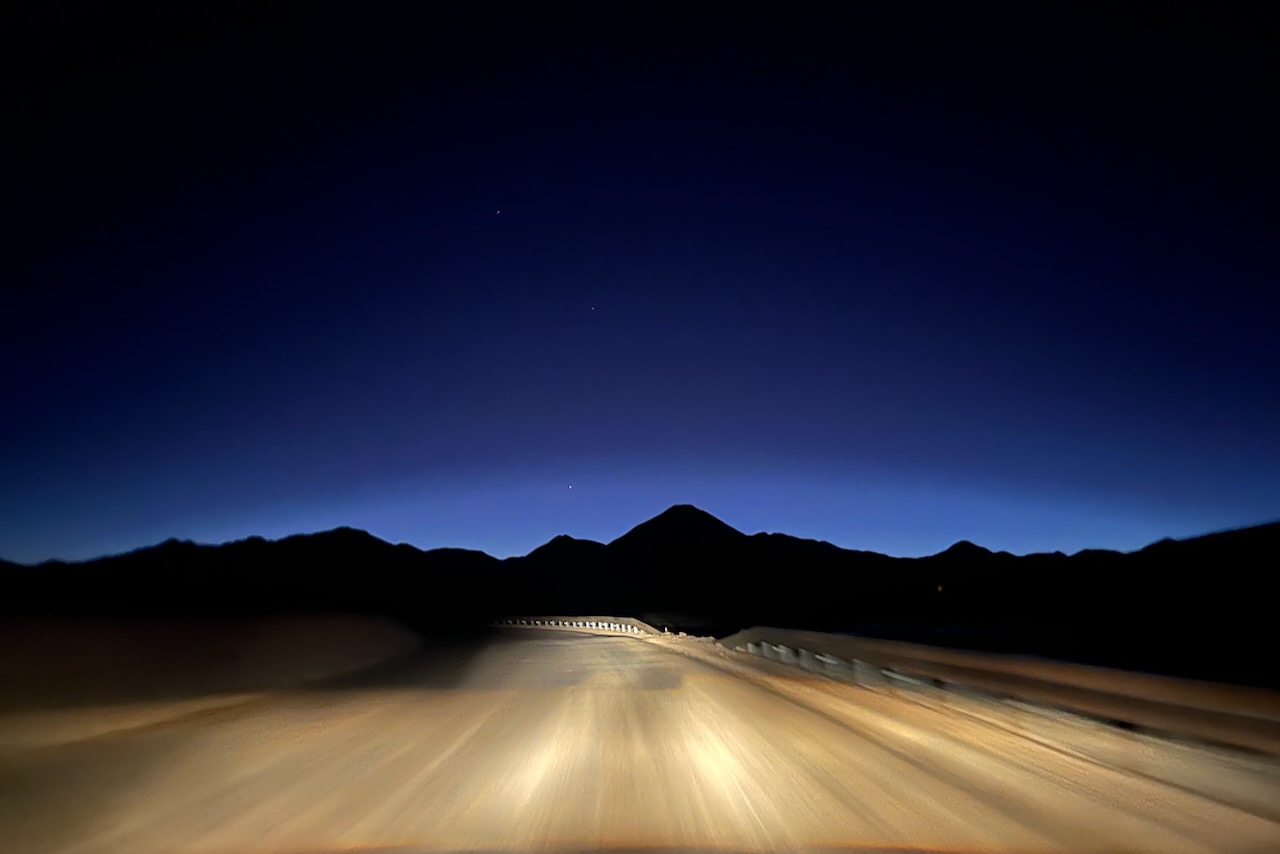
It was very cold in the mountains. Car thermometer at some point said it was 10 degrees celsius below zero. Despite a huge number of visitors the site was very orderly and organized. Cars were directed to the parkings and then to tickets office. We got the tickets and then drove over to the far car park where most geyser activity seemed to be on that particular day. We then put on all the warm clothes we had, as it was 5 below zero celsius, and went to wait for the sunrise while warming up by geysers’ steam.
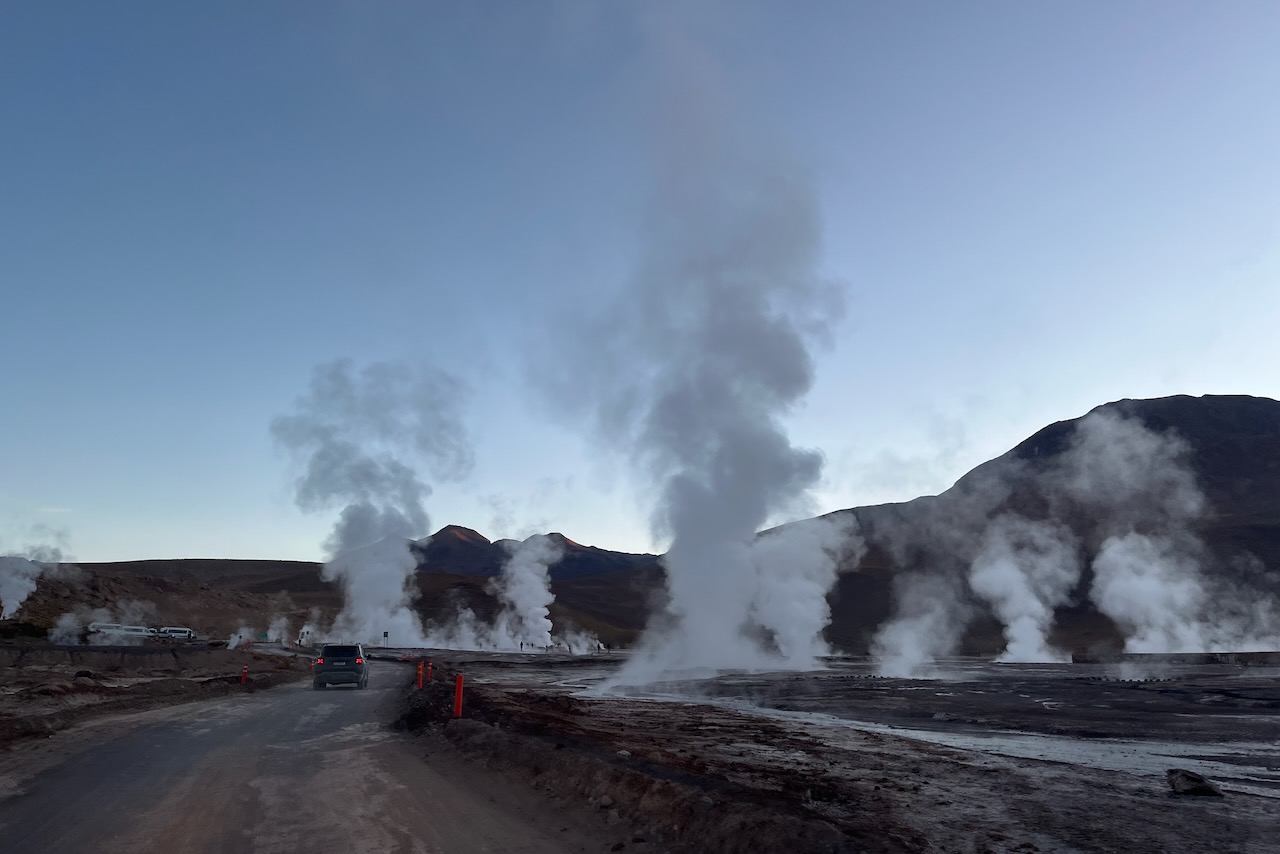
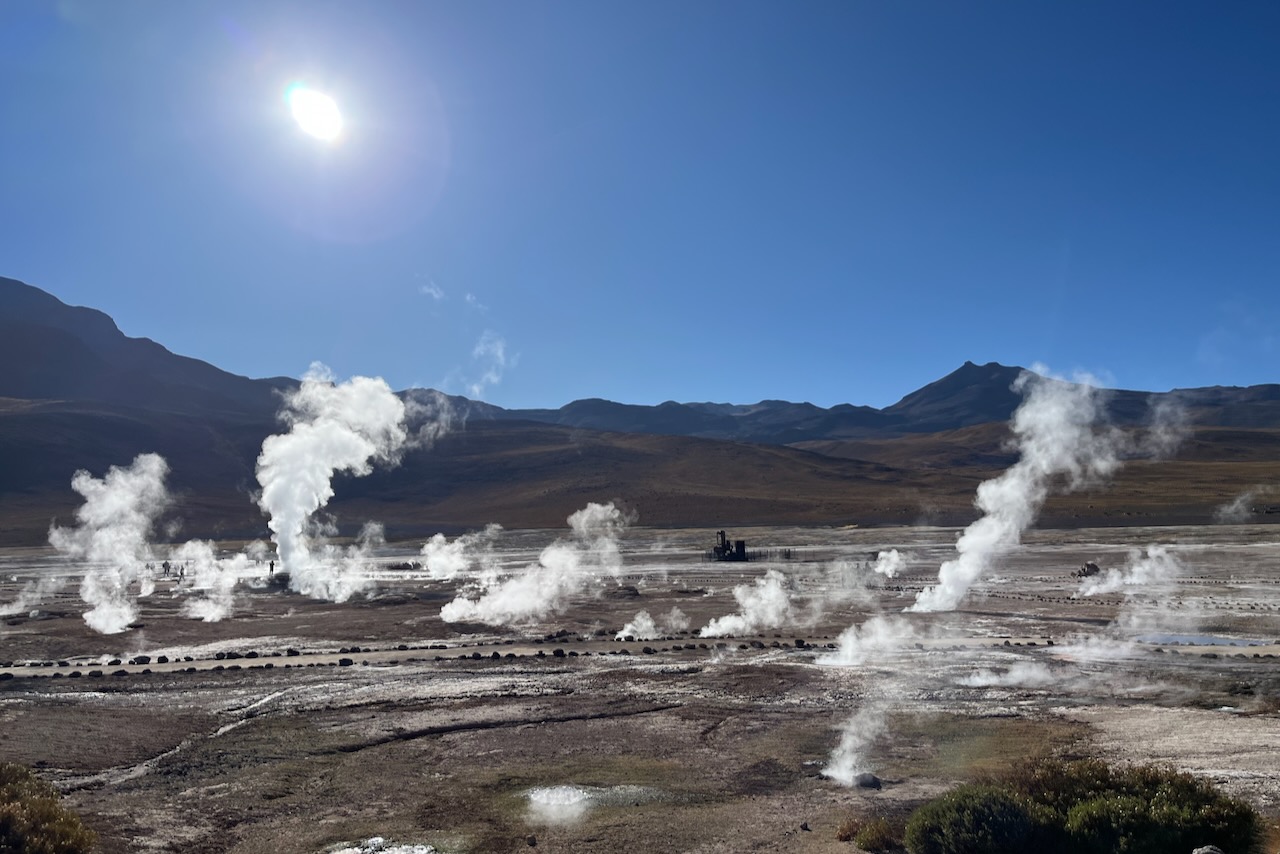
It was impressive to see so many geysers all around bubbling away. Makes one reflect on the fact that we all live on a giant liquid burning spinning ball with a super thin crust. Puts things in perspective.
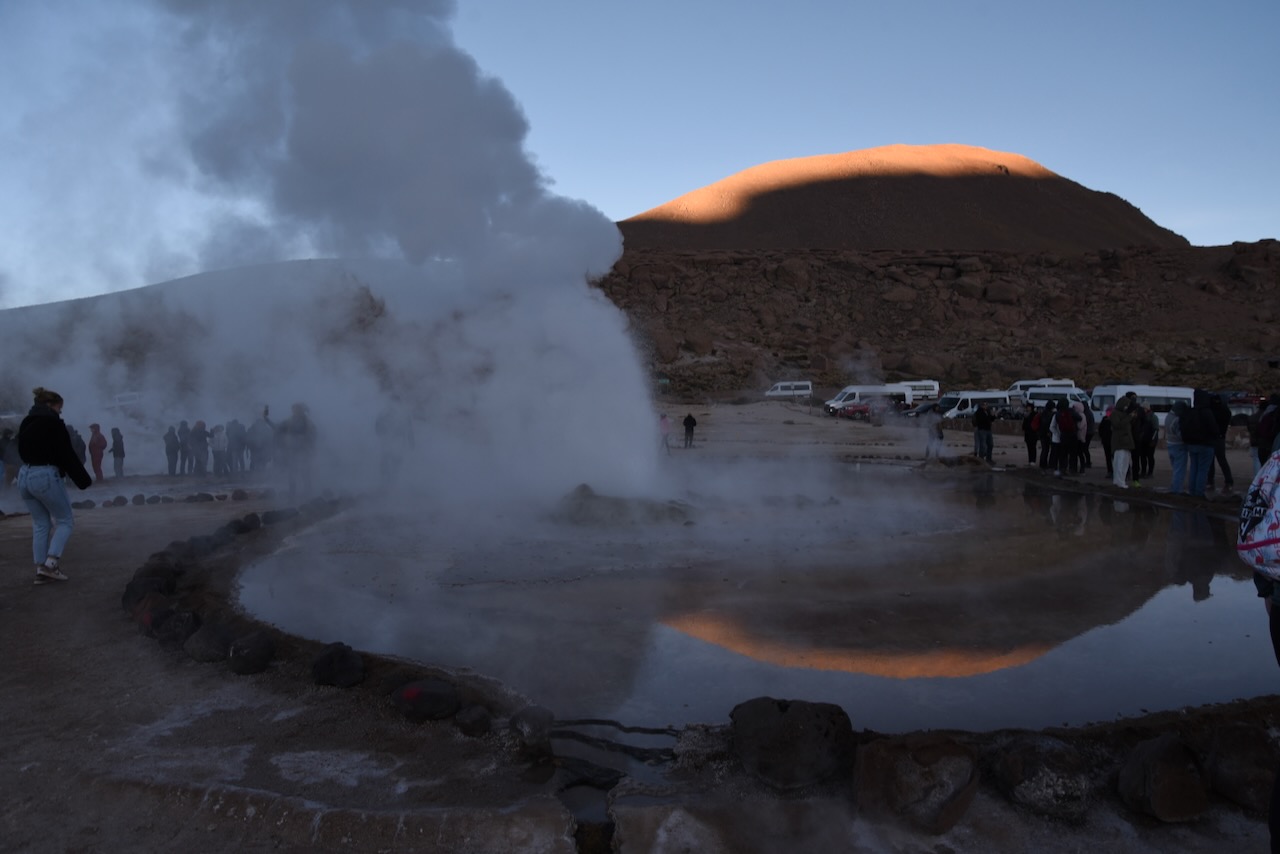
Definitely one could see steam coming from geysers more clearly before sun came up. Waking up early and driving in the cold dark night is worth it. But even with the sun up geysers were still there making plenty of visible steam even if it warmed up fair bit. Soon after sunrise most tour buses left and by 9am we were left almost with nobody around. Once people were gone, vicunas showed up.
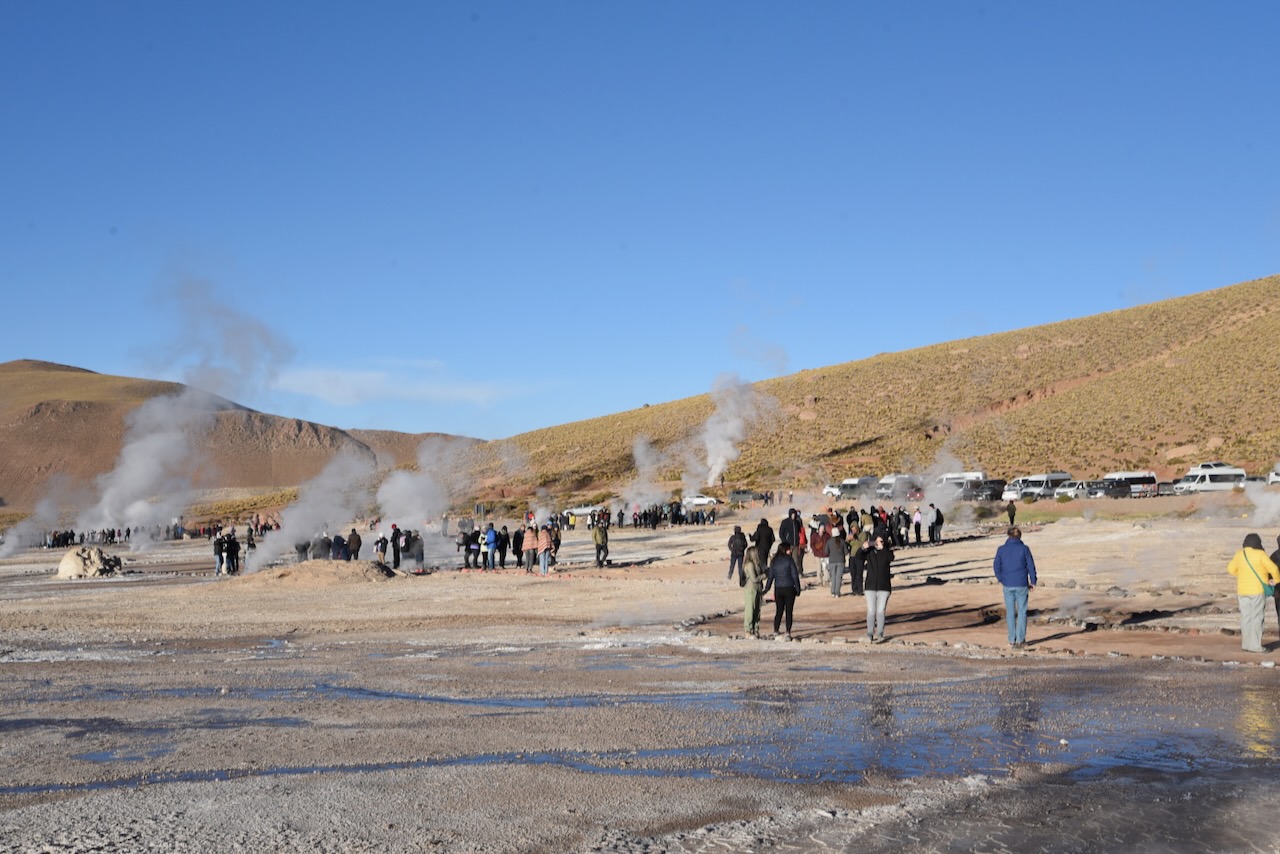
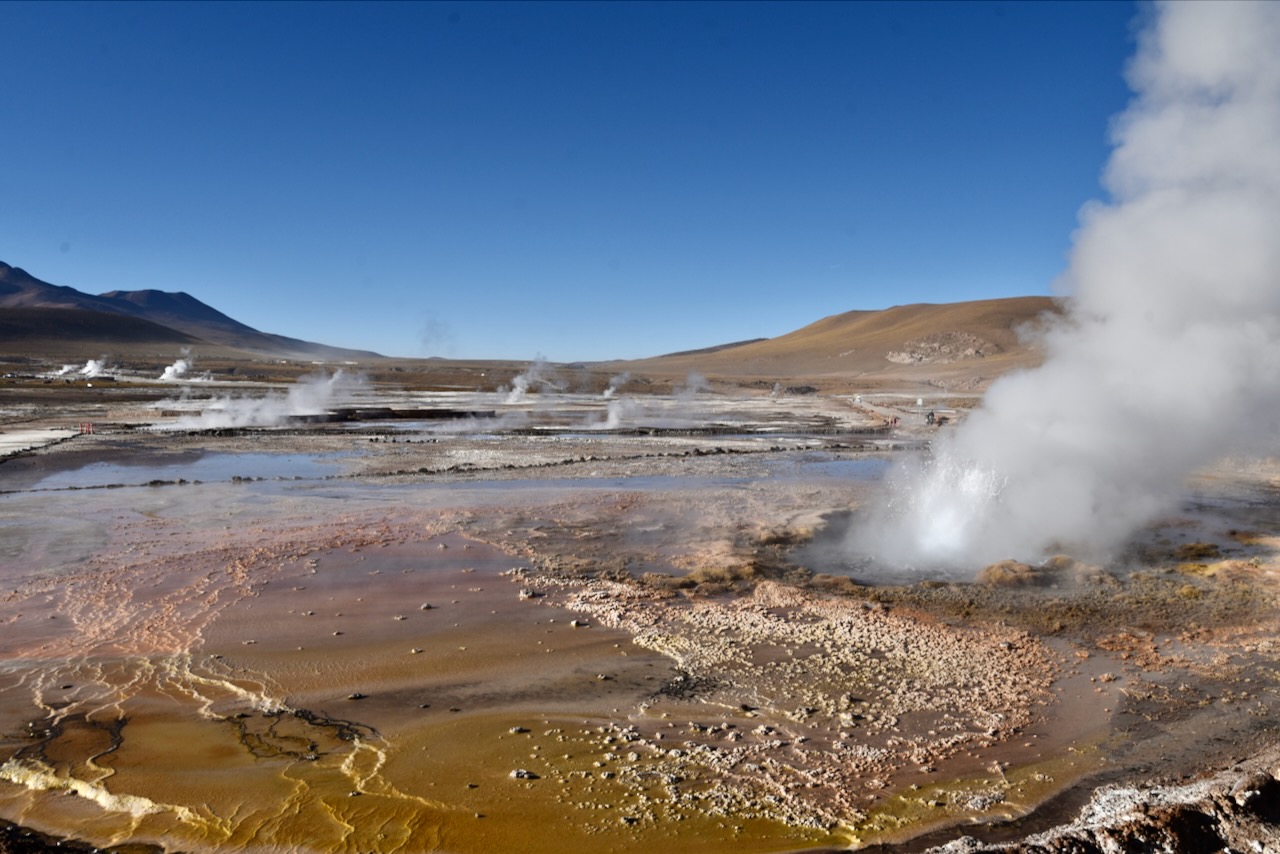
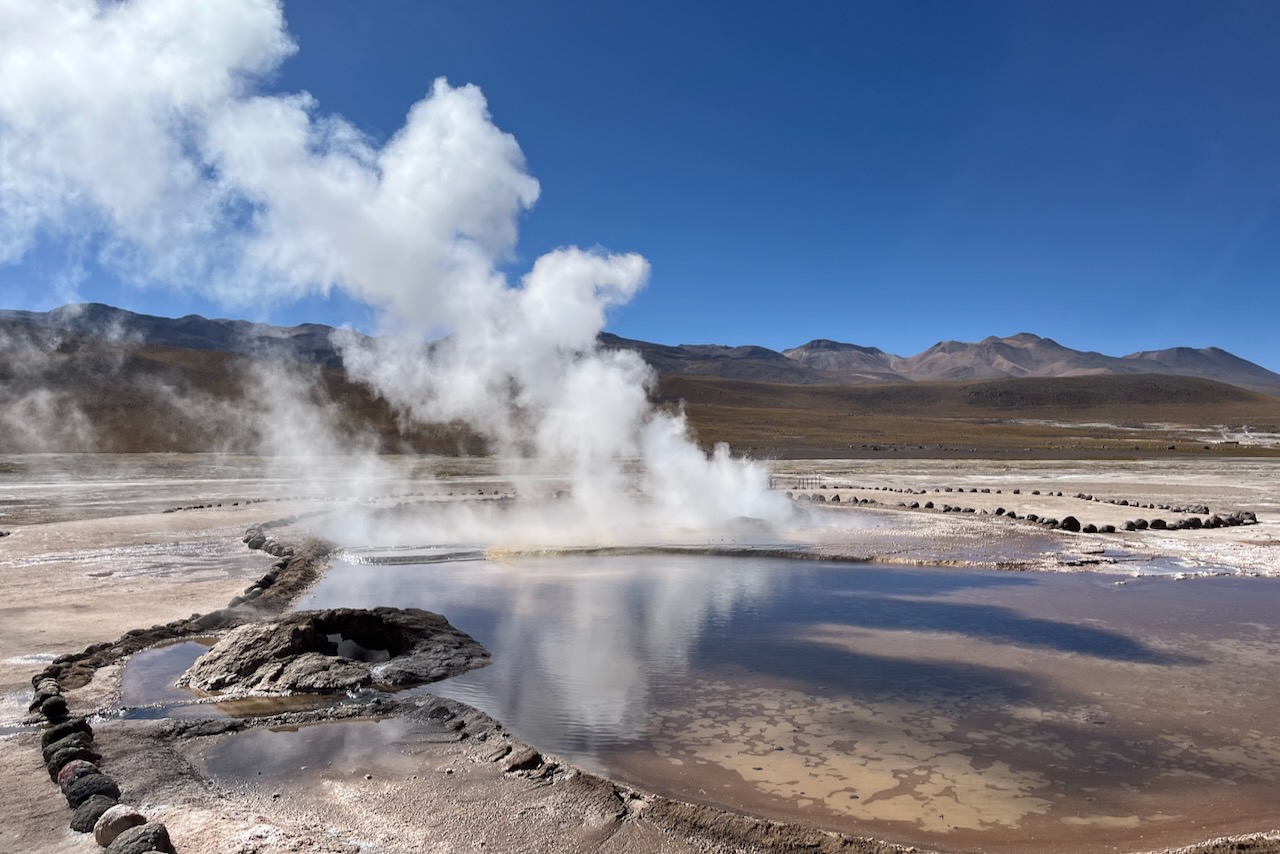
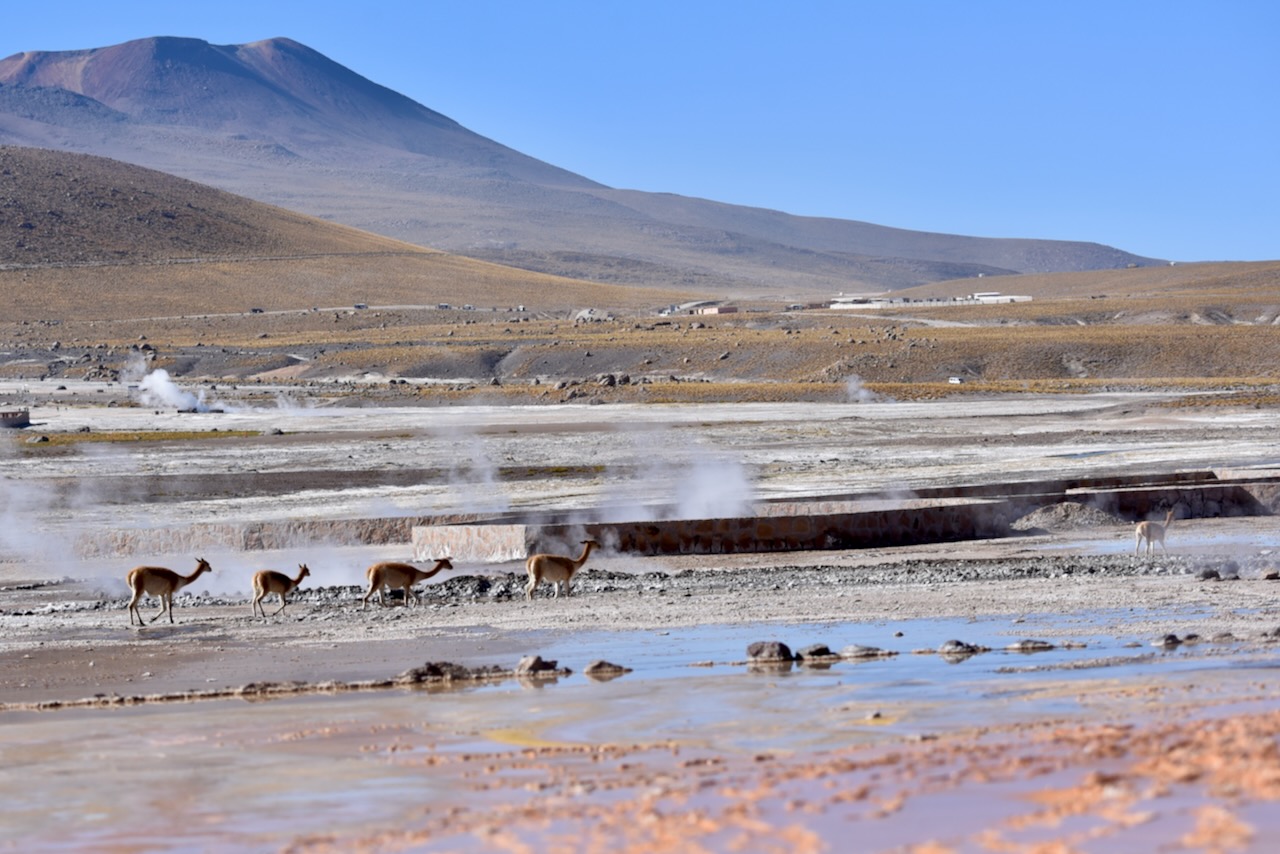
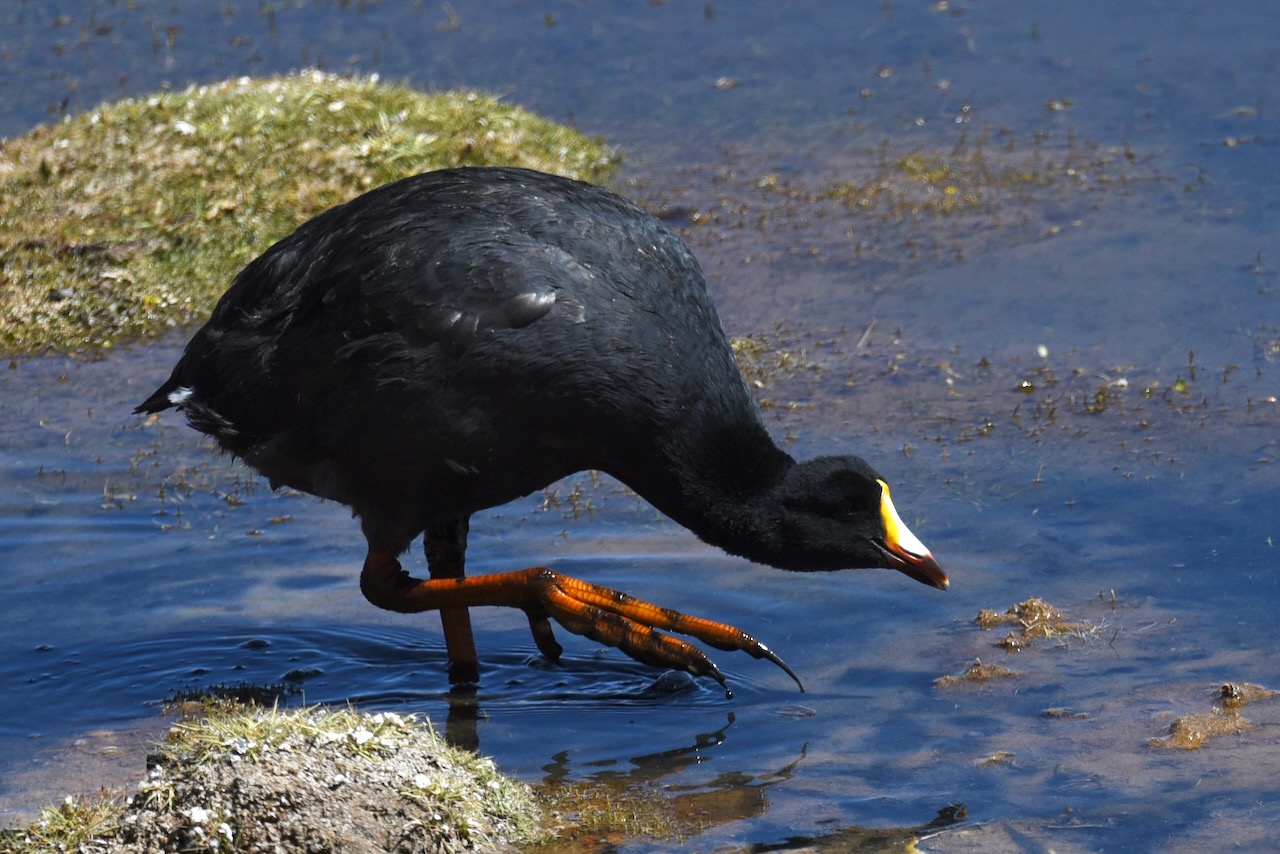
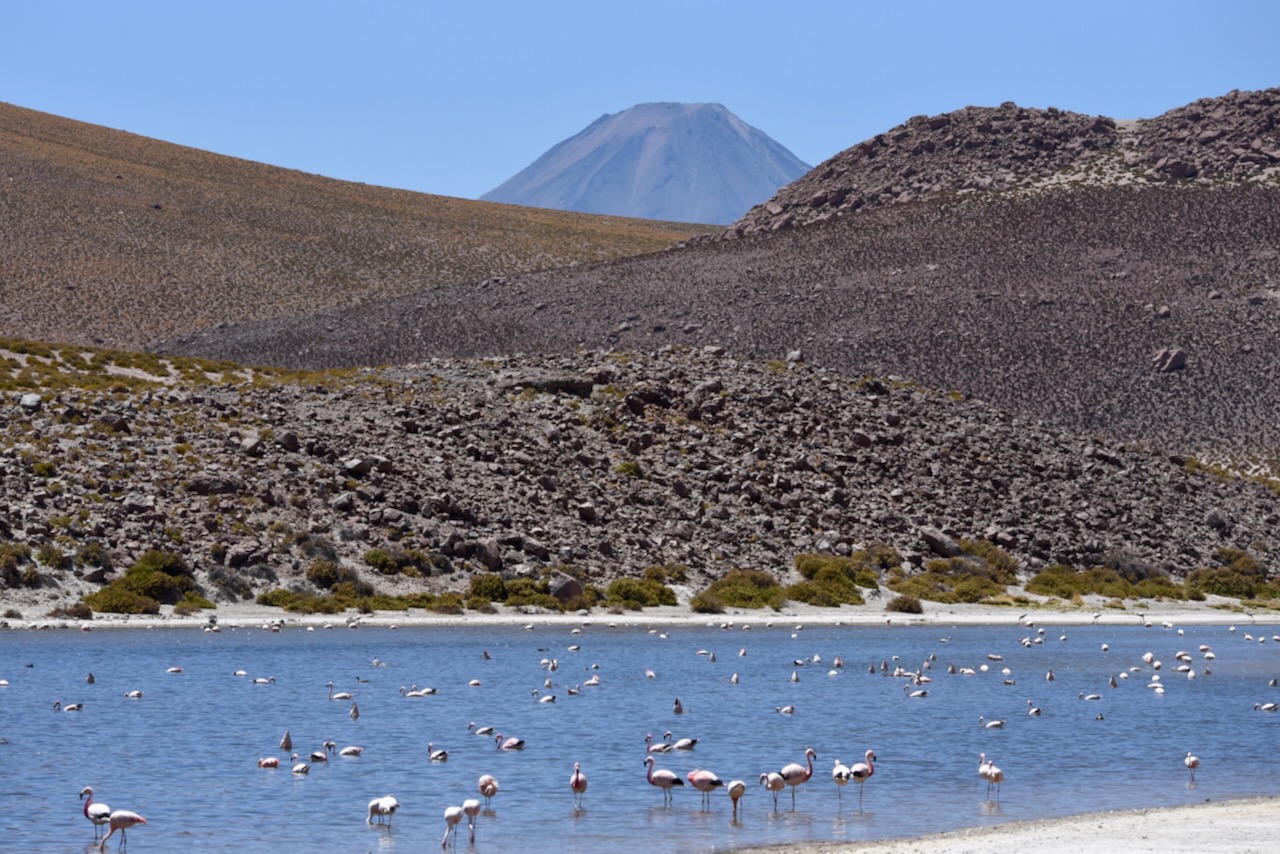
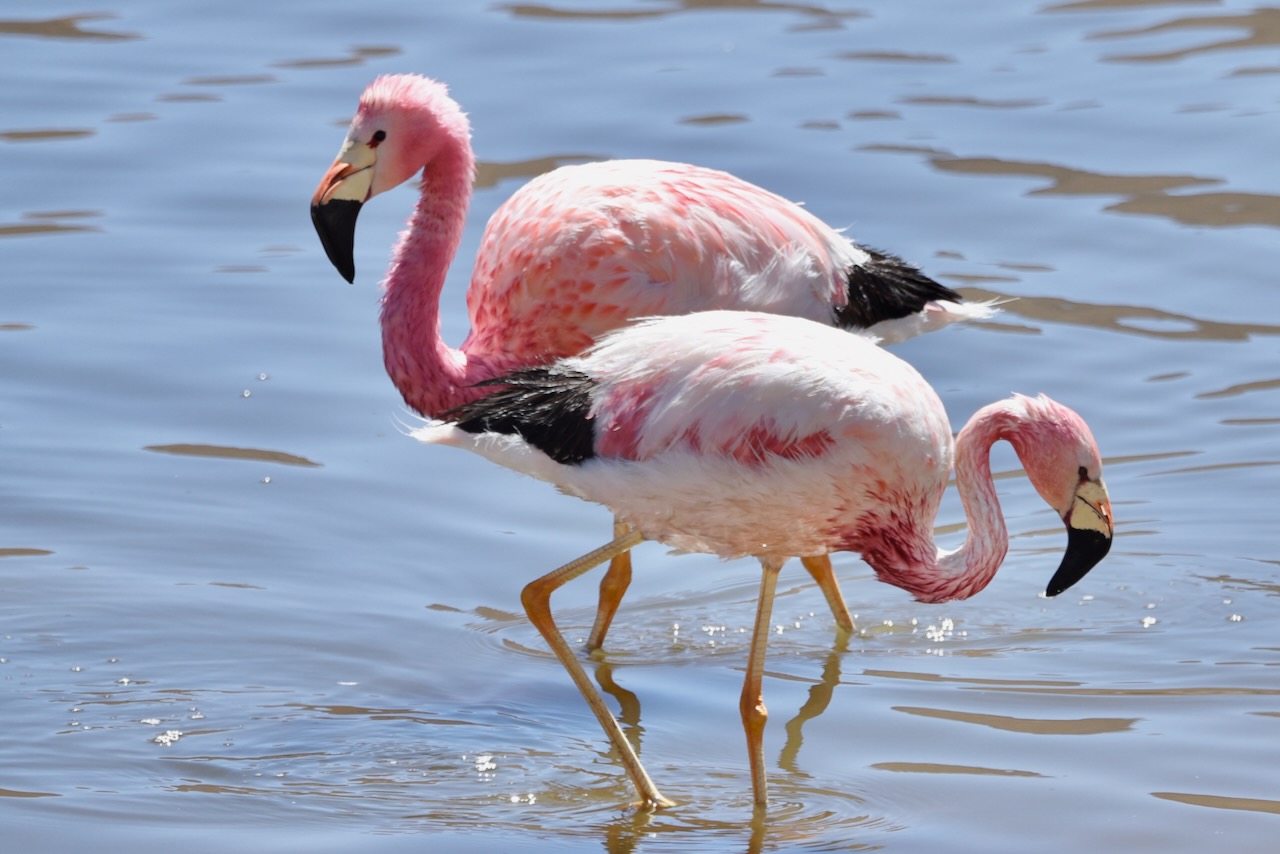
At 10am we started our scenic drive back to San Pedro curious to see what did we drive past in the darkness before. We saw volcanos, lagoons, vicunas and many flamingos.
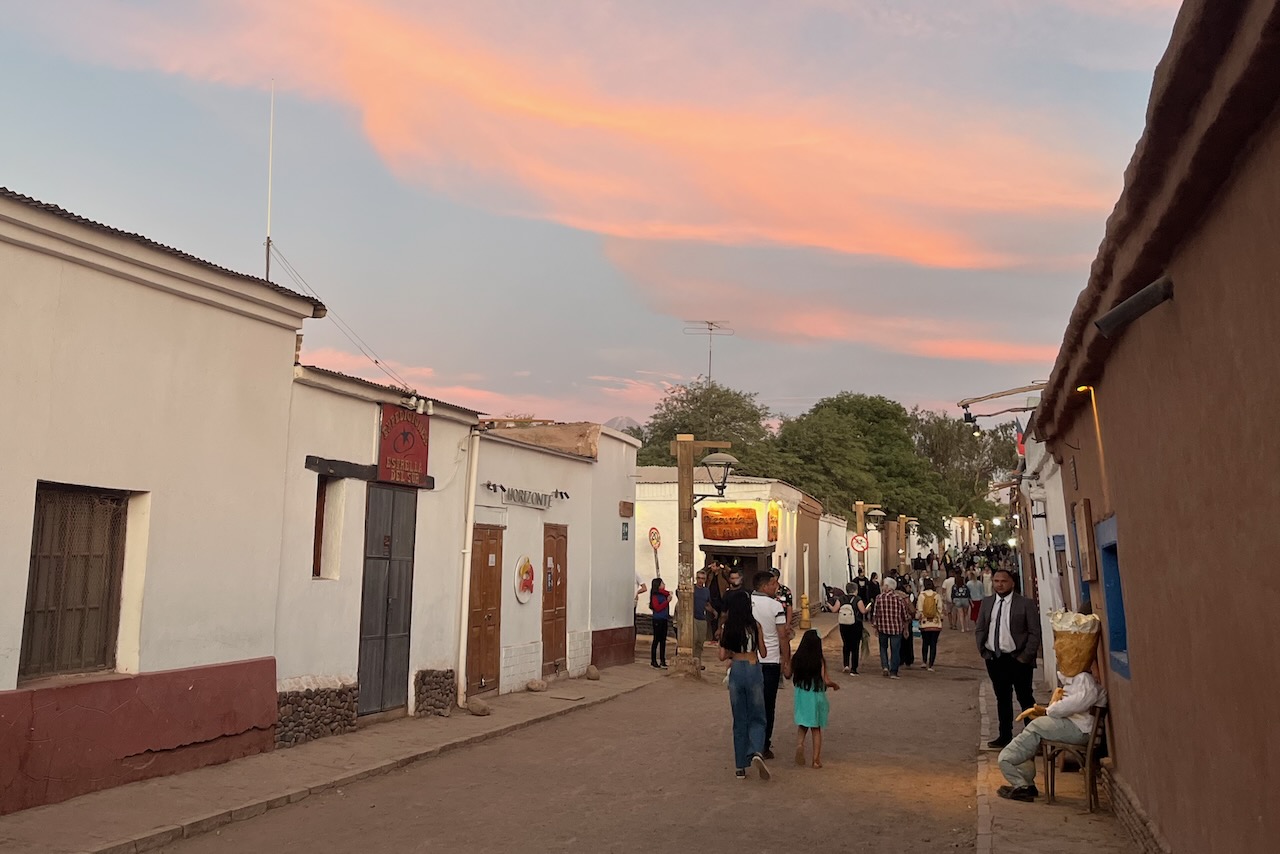
After returning to San Pedro and taking a nap, it was time to prepare for new year celebration. San Pedro is a popular place for celebrating new year it turned out. Accommodation was very limited. There were quite a few travelers from Brazil. Many of them seemed to be motor clubs doing a rally in their well equipped SUVs or on motorbikes. At times it seemed there were more people speaking Portuguese than Spanish around us in San Pedro.
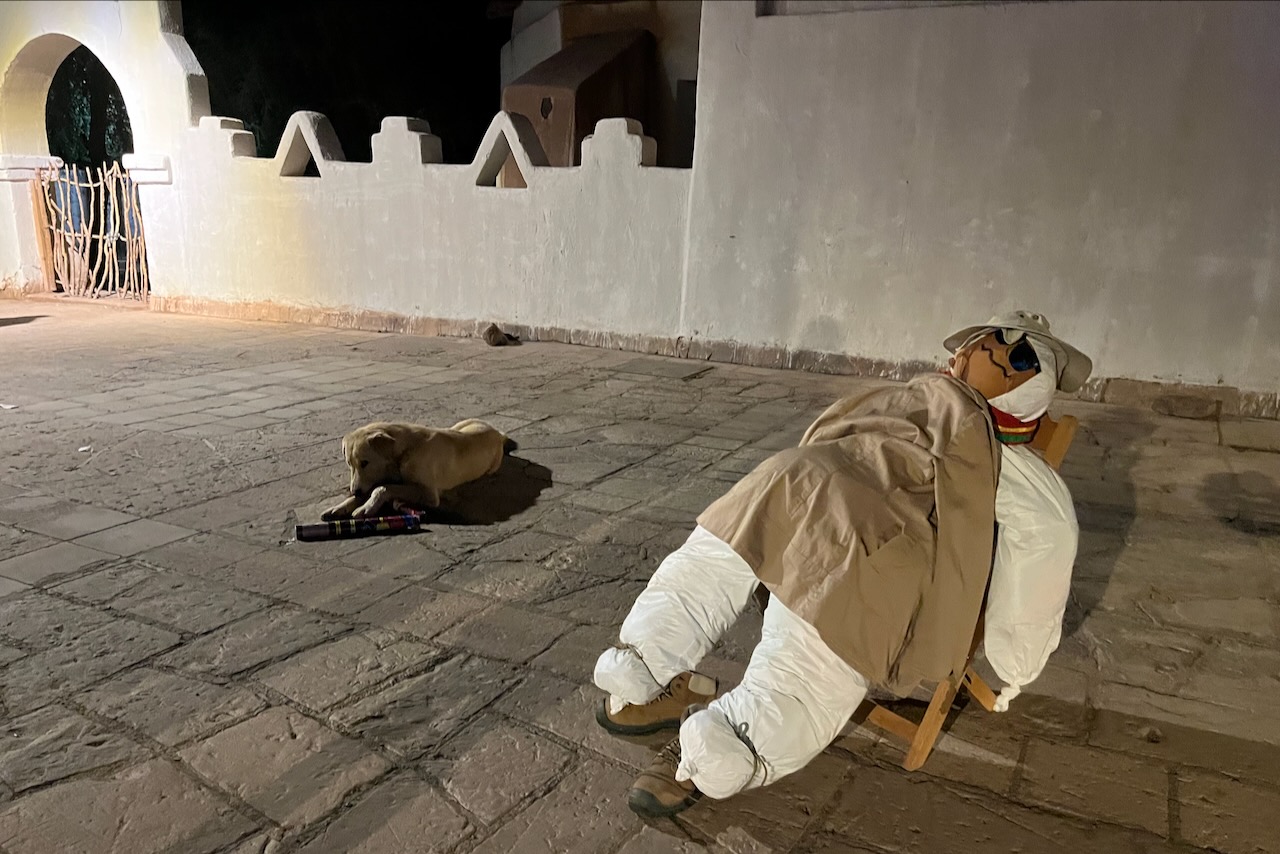
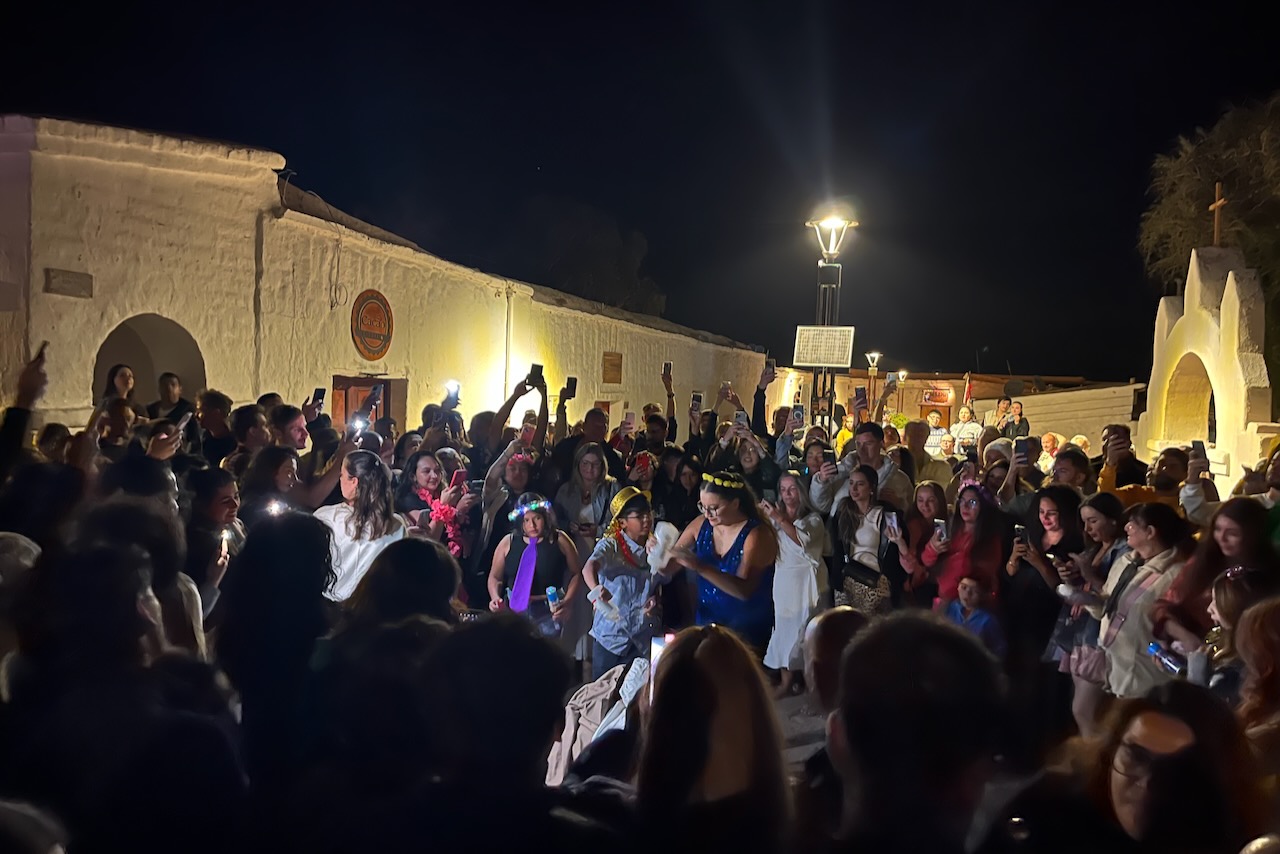
Burning Ano Viejo (old year) dolls is New Year tradition in San Pedro. Several restaurants had one outside of their door prepared. And there was also one on the main square. The idea is to burn it so that all bad things stay in the year that ended. As midnight approached many people gathered around the main square waiting for the Ano Viejo to be burned followed by fireworks. It was great fun to be in what sounded like a very international crowd. There were quite a few parties going music blasting from different directions. But we greeted the new year and went to. bed, as more adventures were awaiting us the next day.
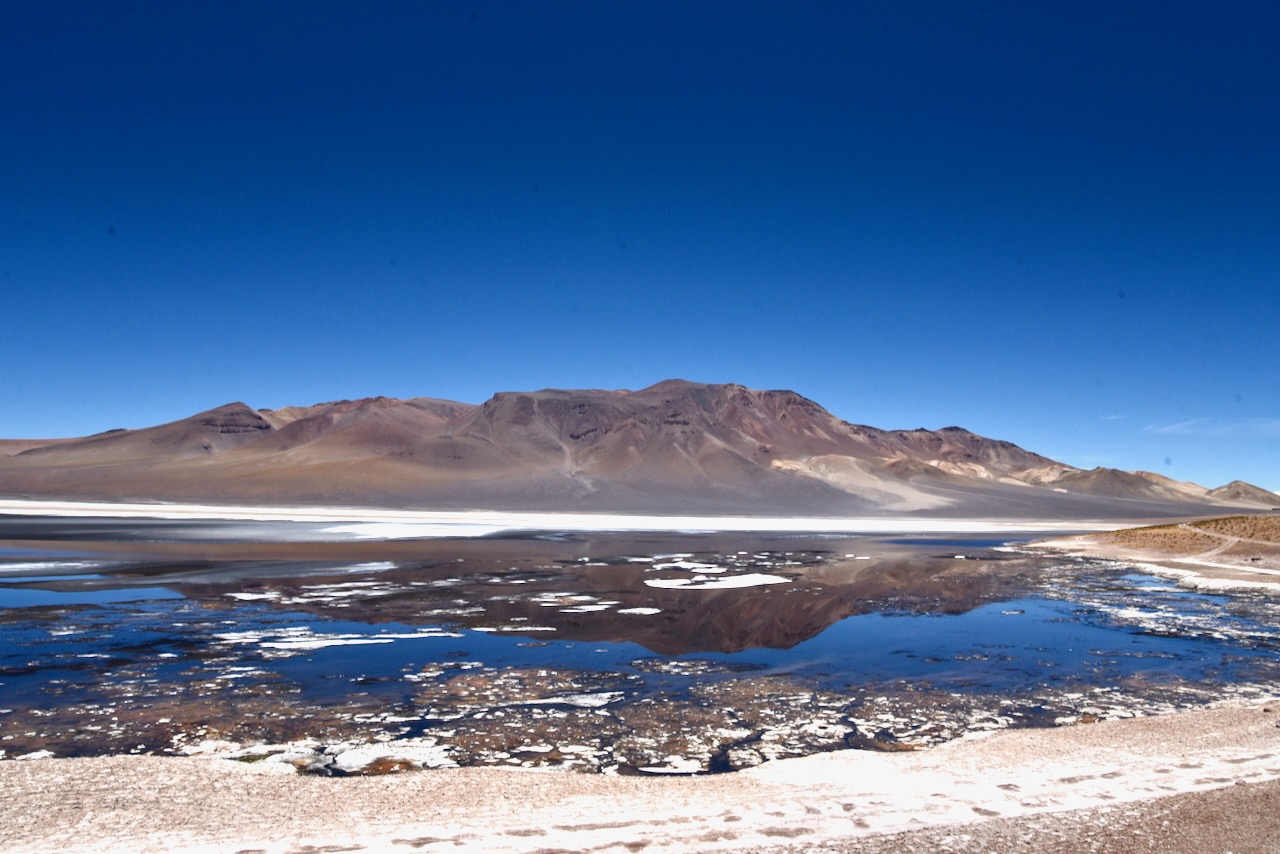
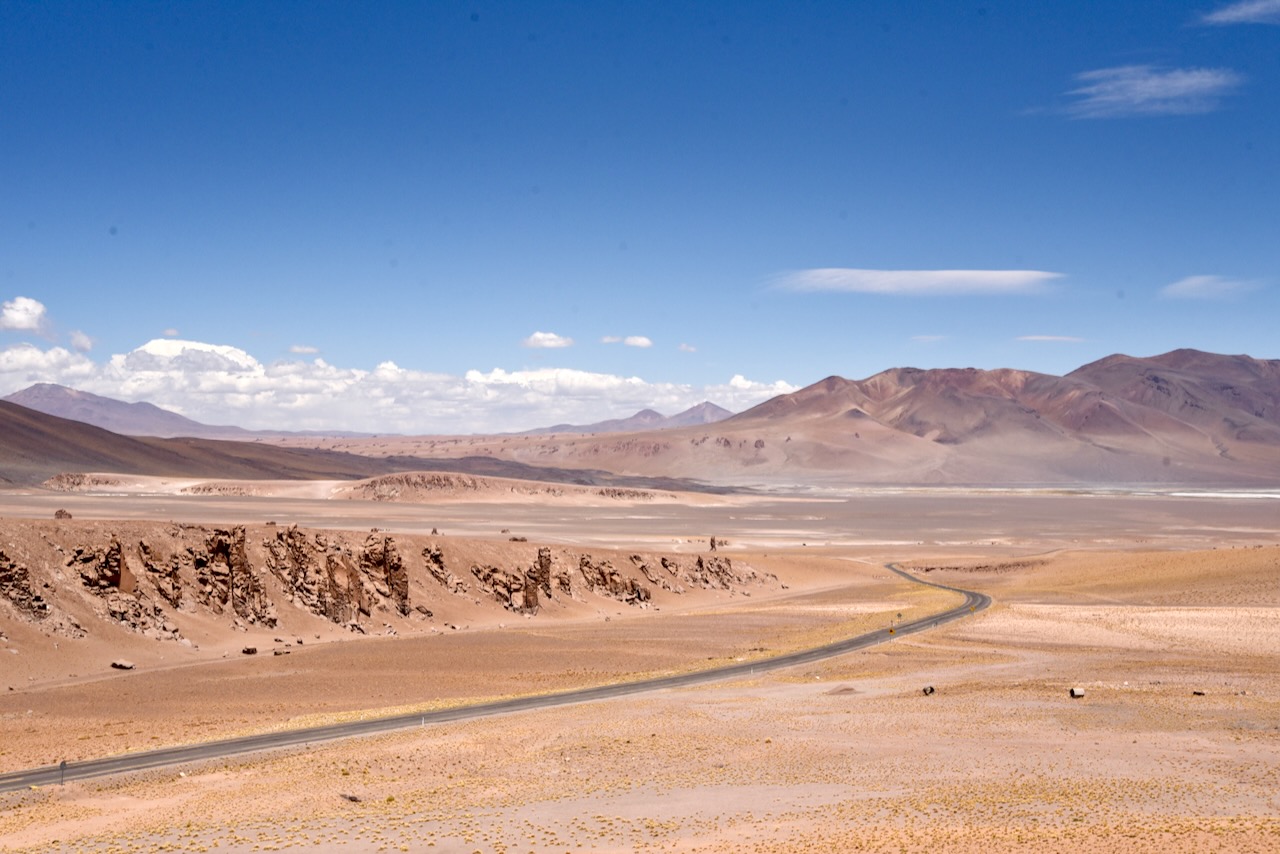
On our last full day in Atacama we headed east on ruta 27 to see Salar de Tara and lagoon. This was another spectacular drive with volcanoes and otherworldly colors. We passed the turn off to Bolivia border crossing that takes one to Uyumi in Bolivia. We did not make it there this time but definitely something for the next trip.
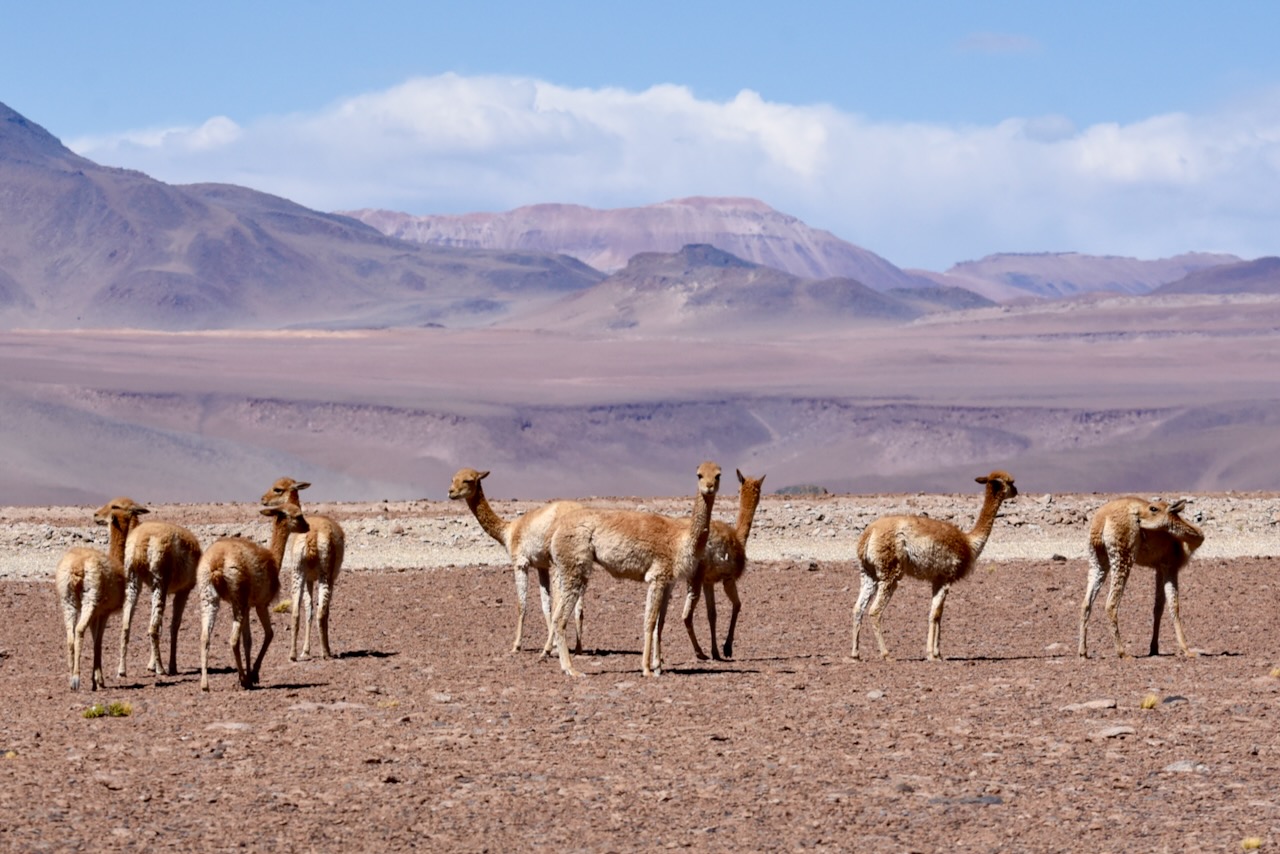
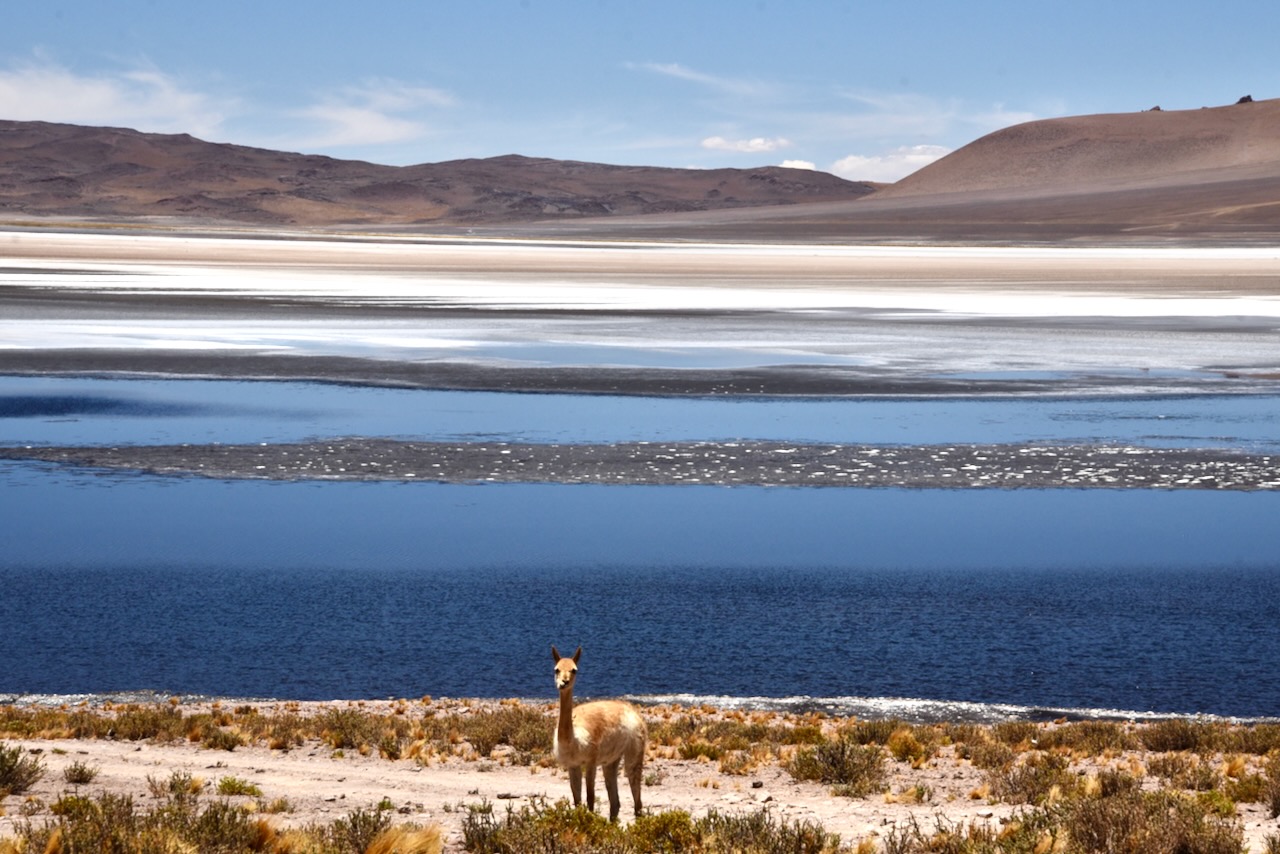
It was a sunny day without wind and we were lucky to get reflection from the surrounding mountains in Laguna Tara. WE saw some flamingoes far in the distance and a couple of vicunas feeding on shore of the lagoon.
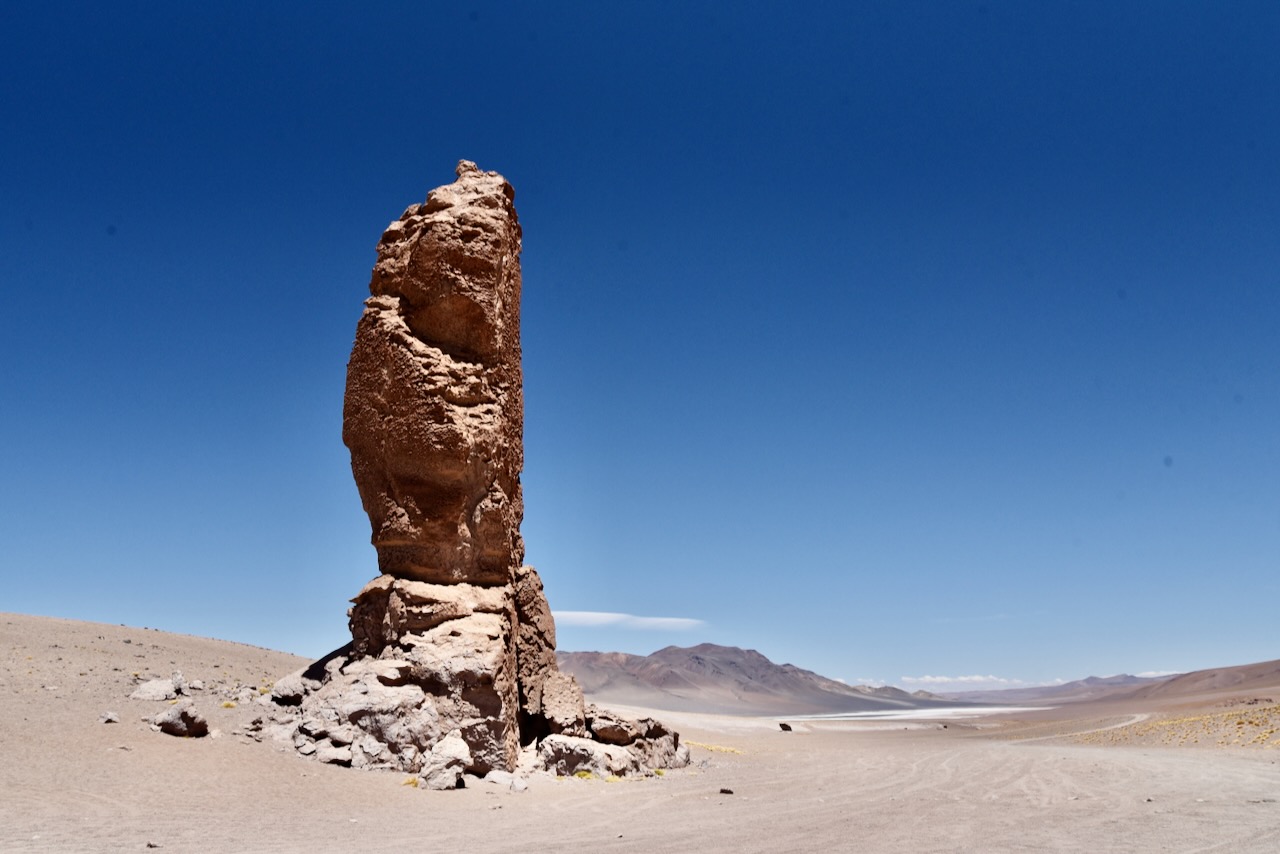
We then drove up to Salar de Tara with its strange rock formations. Softer rock is eroded away over many years and only harder rock remains in strange forms.
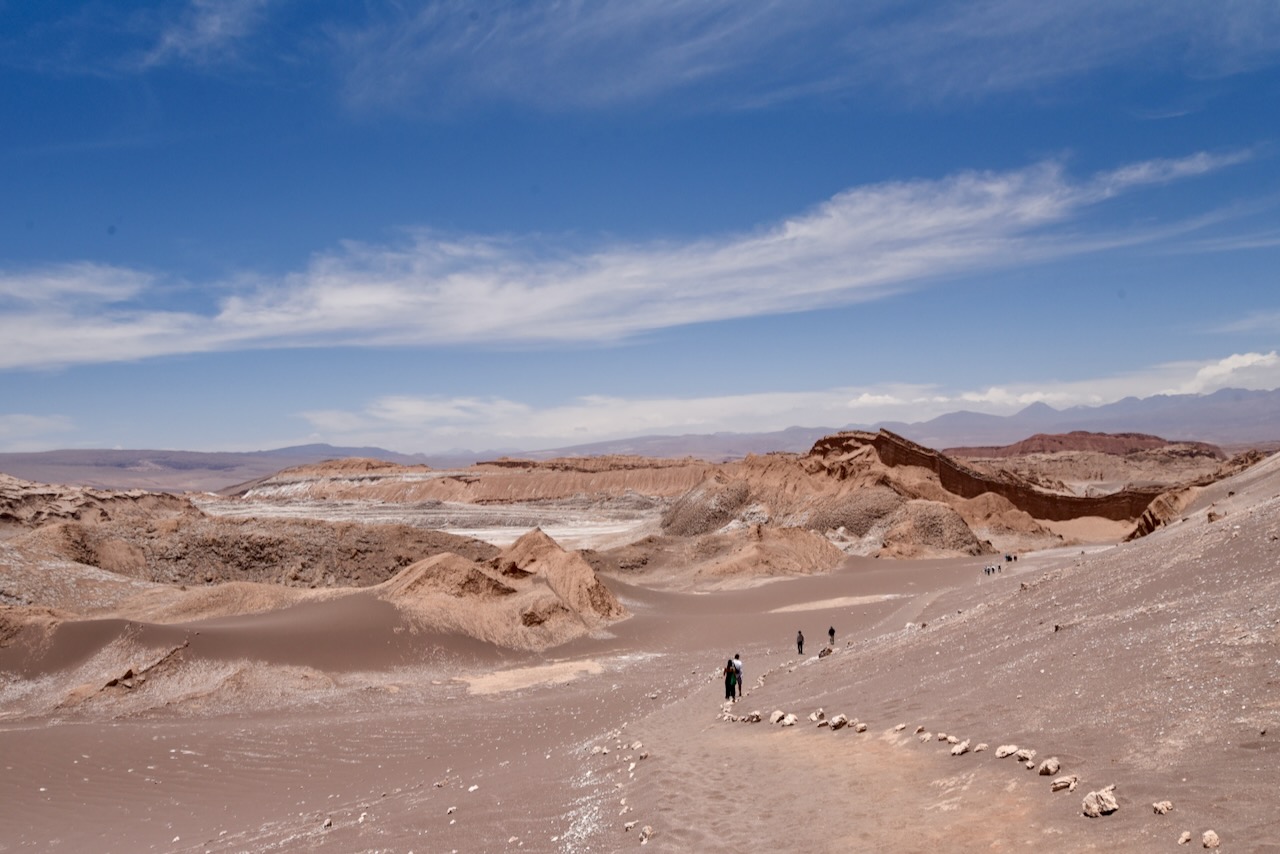
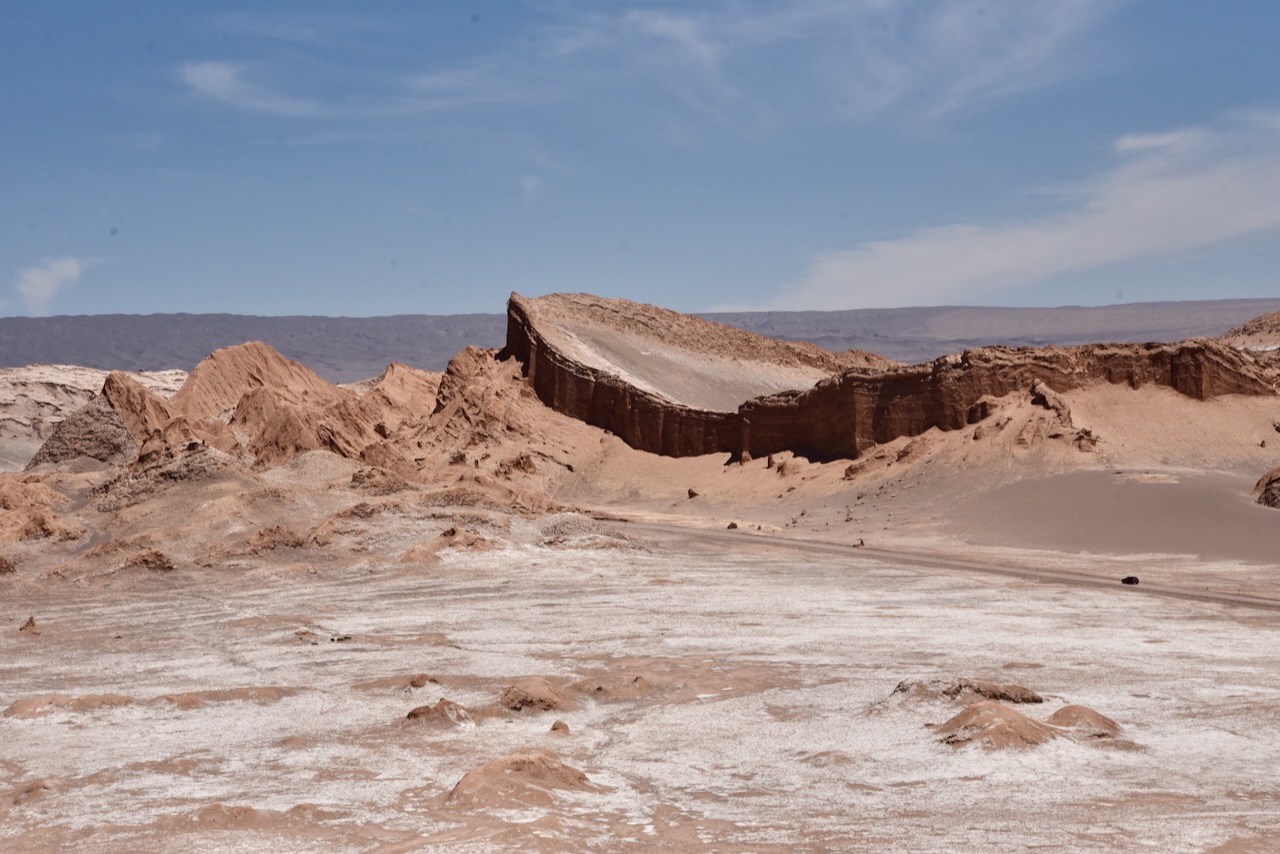
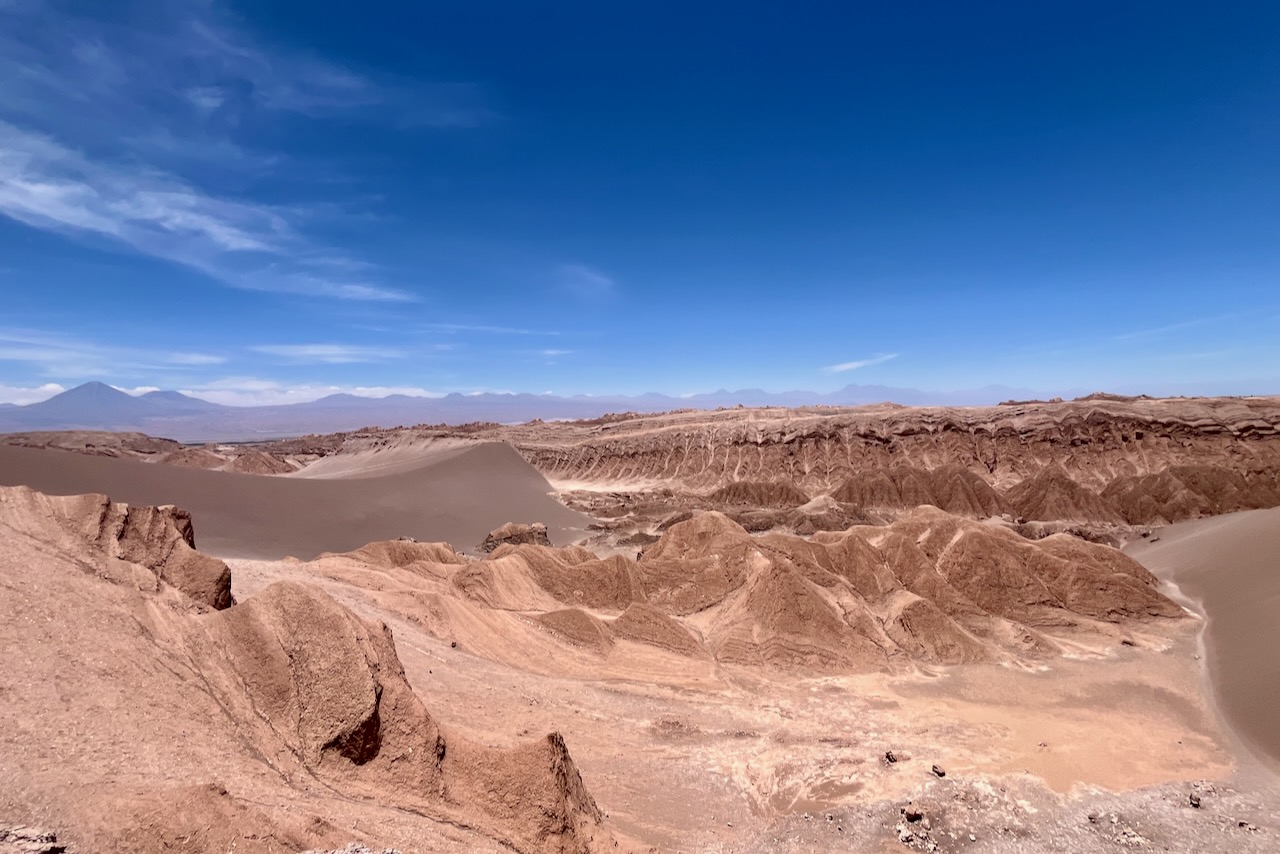
On our last day we were taking an evening flight out of Calama so we had time in the morning to go and visit Valle de Luna (Moon valley) before returning our car at midday.
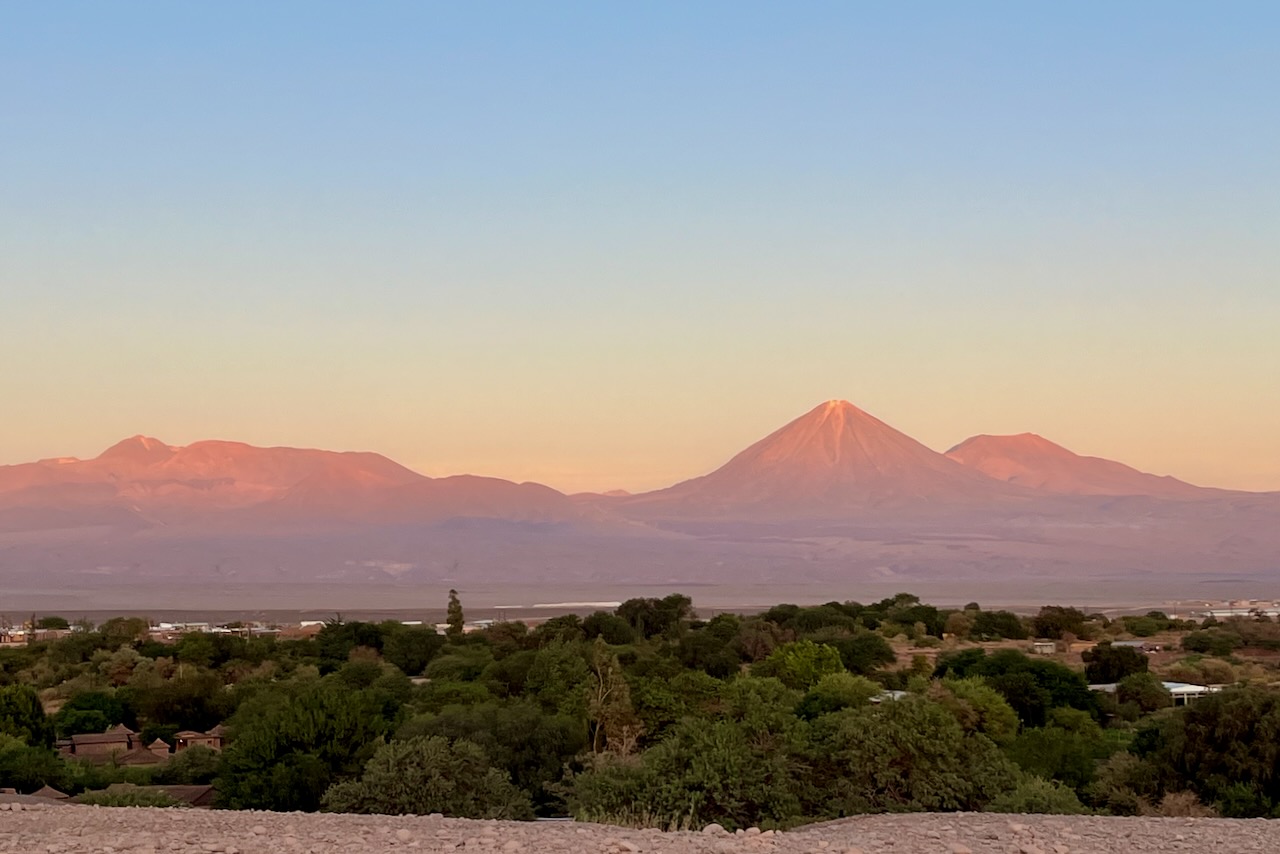
We had fantastic 5 days in San Pedro de Atacama. It was great to explore the area and warm up. And now after exploring wild and rugged side of Chile in Patagonia and Atacama, we were heading to Santiago for some good food, wine and city life.