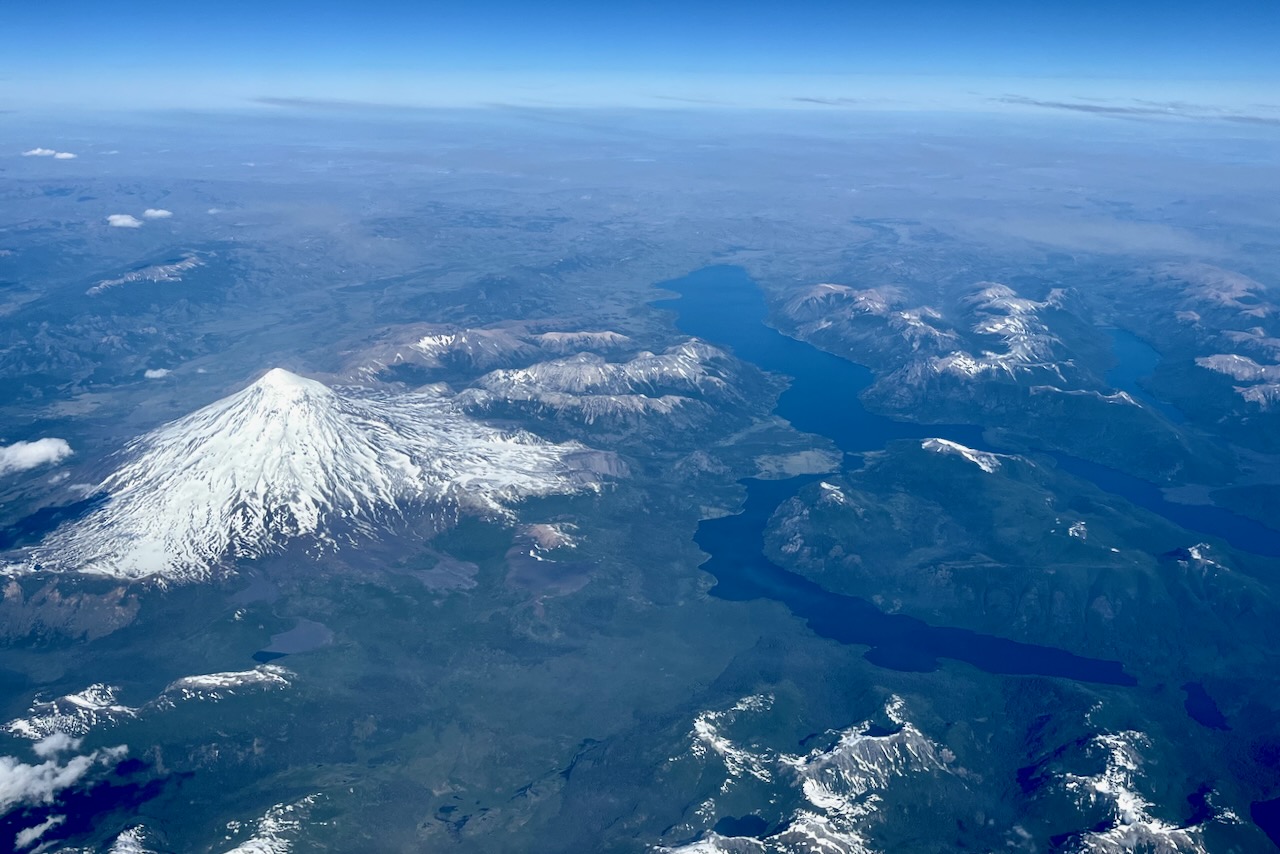
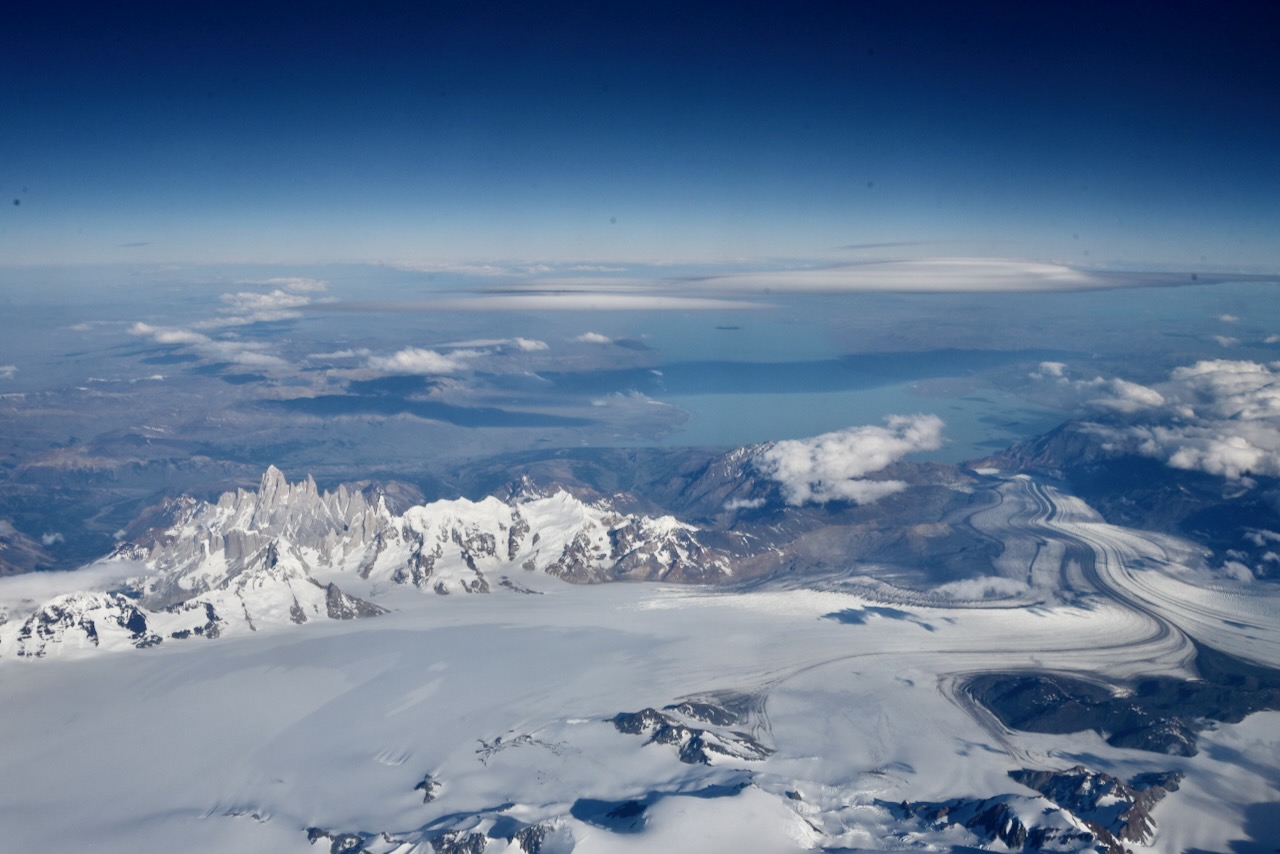
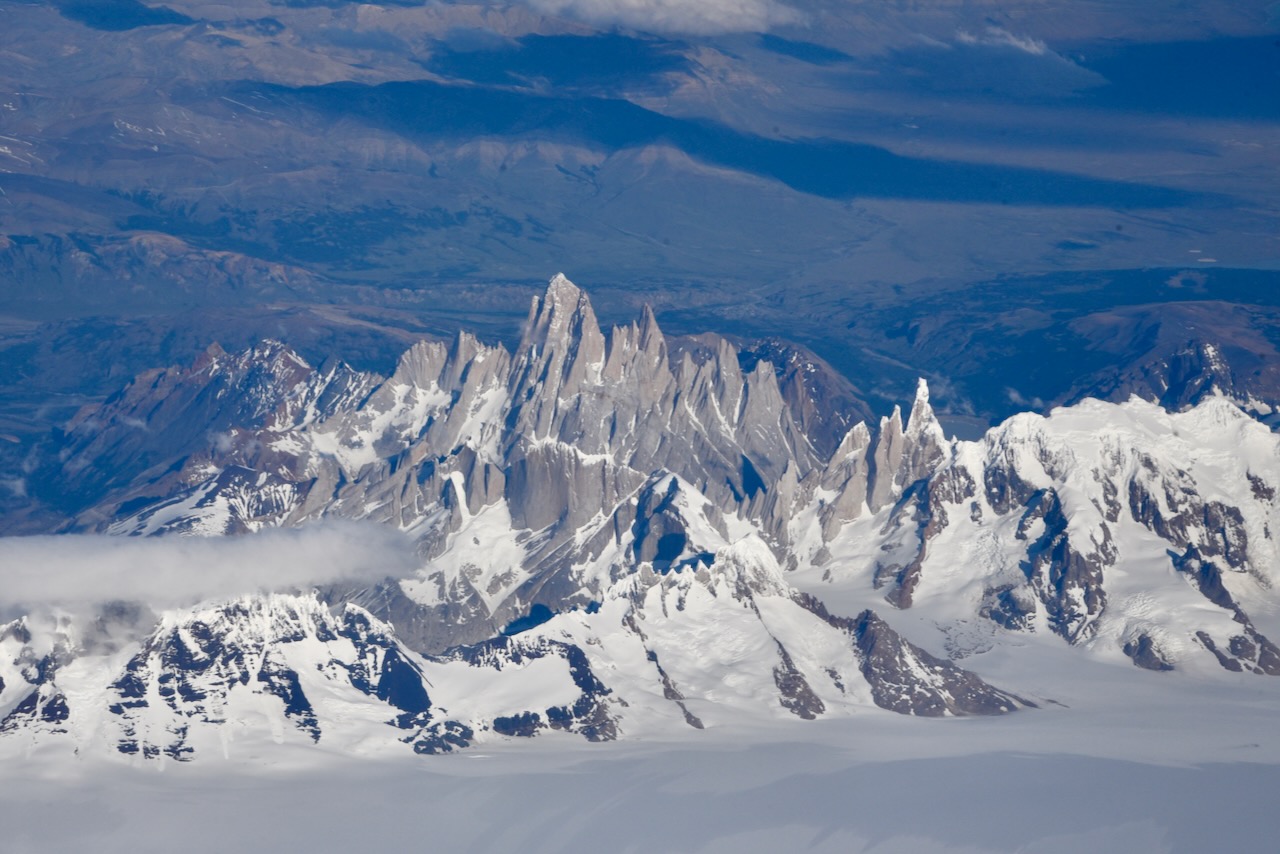
As we started our flight from Santiago towards Punta Arenas, clouds cleared and we were able to see Patagonian landscape from above including Fitz Roy mountain range and glaciers around it. We set on the left side of the plane (A window).
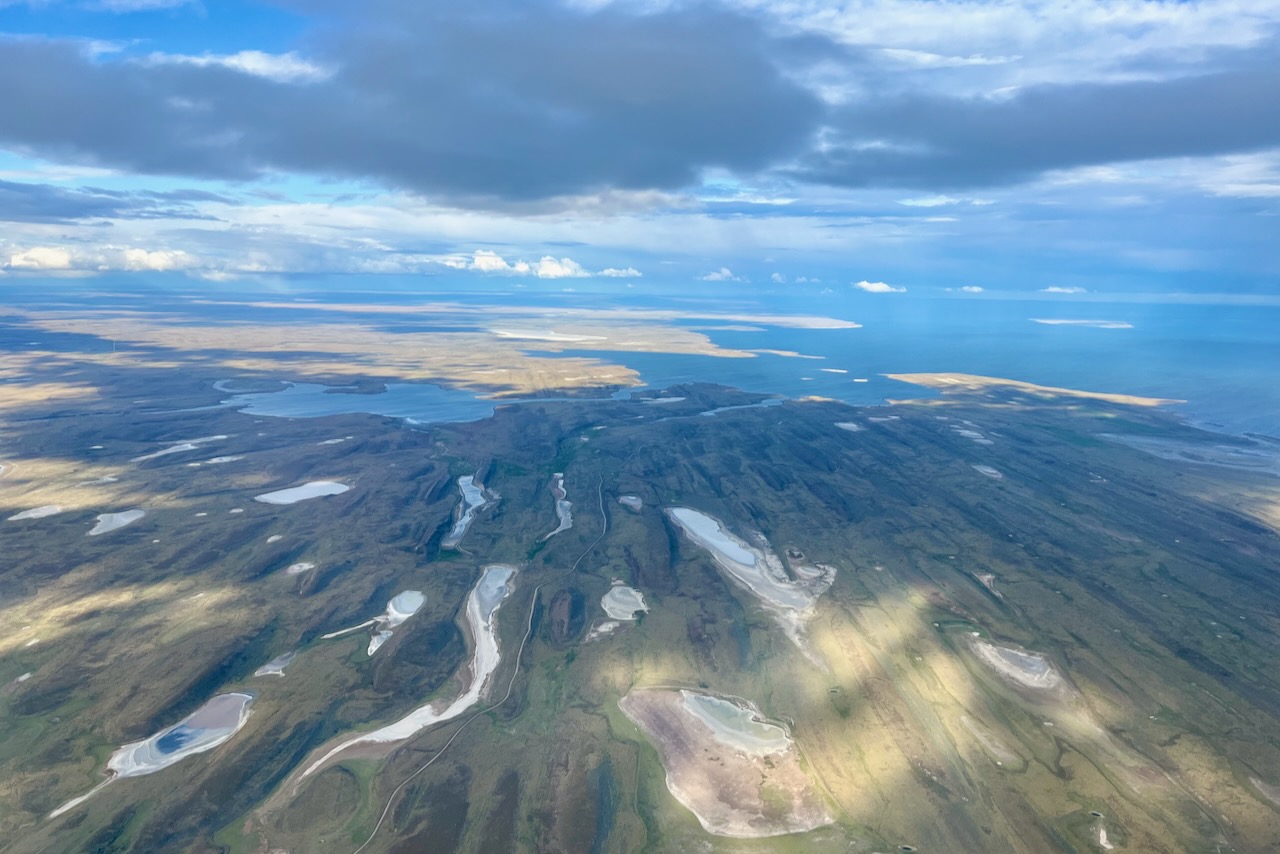
As we got closer to Punta Arenas scenery changed and it was all flat lands, bare landscapes in low sun with long shadows.
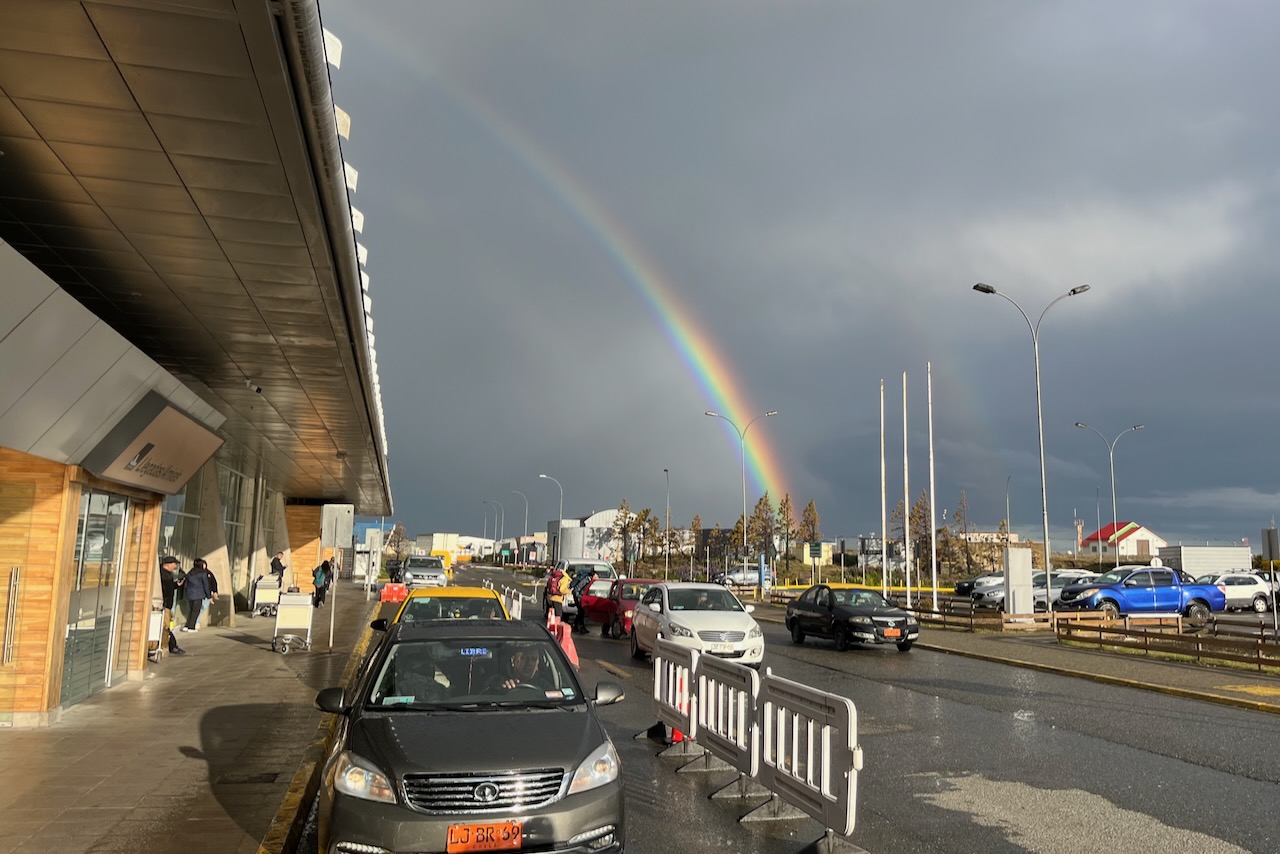
As we exited airport rain shower just ended and rainbow showed up. We started adjusting to fast changing Patagonian weather. It rains and shines and wind blows most of the time. At the beginning of December, start of southern hemisphere summer, it was cold. We needed a heater in the hotel room and wore all of our warm (and water proof) layers outside.
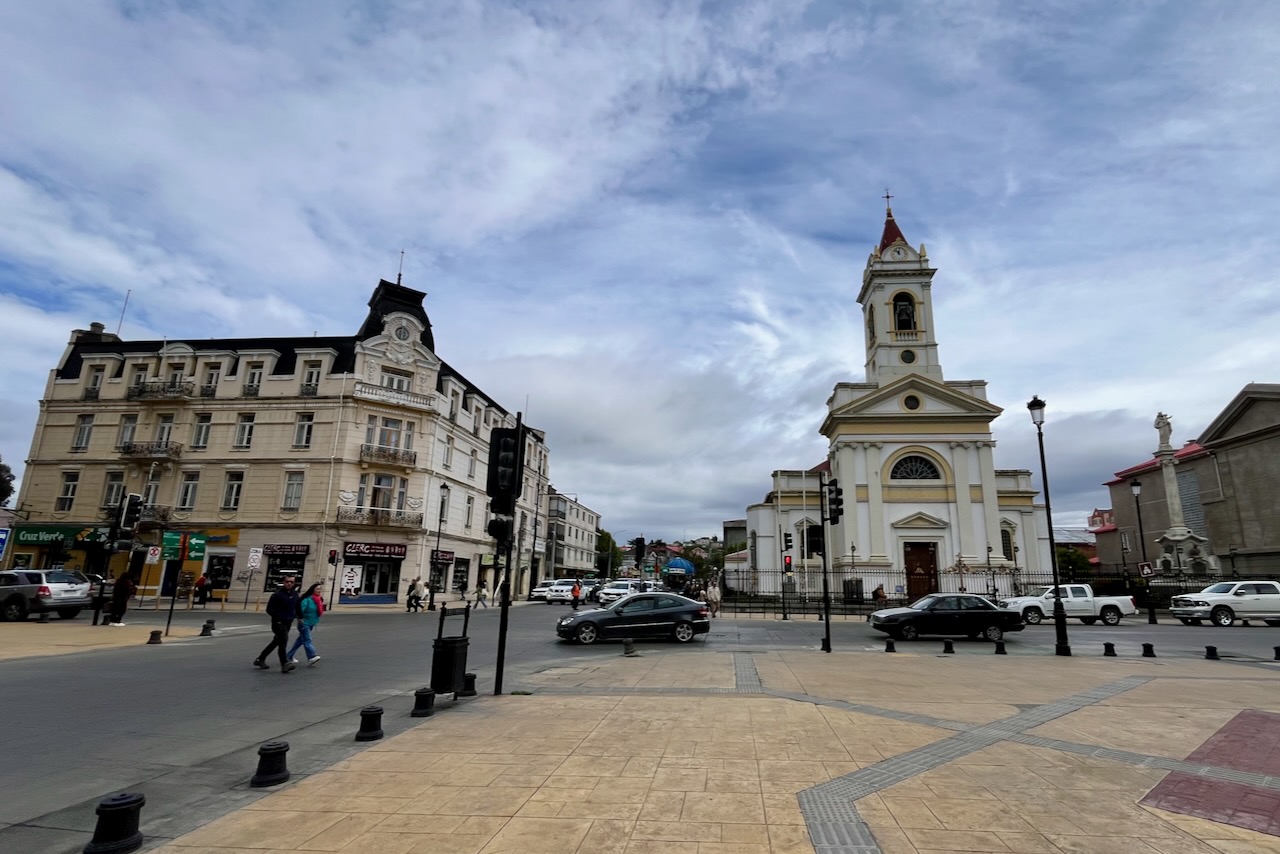
Punta Areans is the largest city in the south of Chile with 130,000 residents. Downtown has a pretty square with historical buildings dating from early 20th century when Punta Arenas was a boom town profiting from sheep wool. There is a nice promenade along the ocean to walk around. Restaurants are very good and we had excellent meals both seafood and asada (grilled meat). We tasted and loved loco – local sea snail. If seafood is your thing, we recommend visiting fish market and stocking up on all sorts of seafood delicacies.
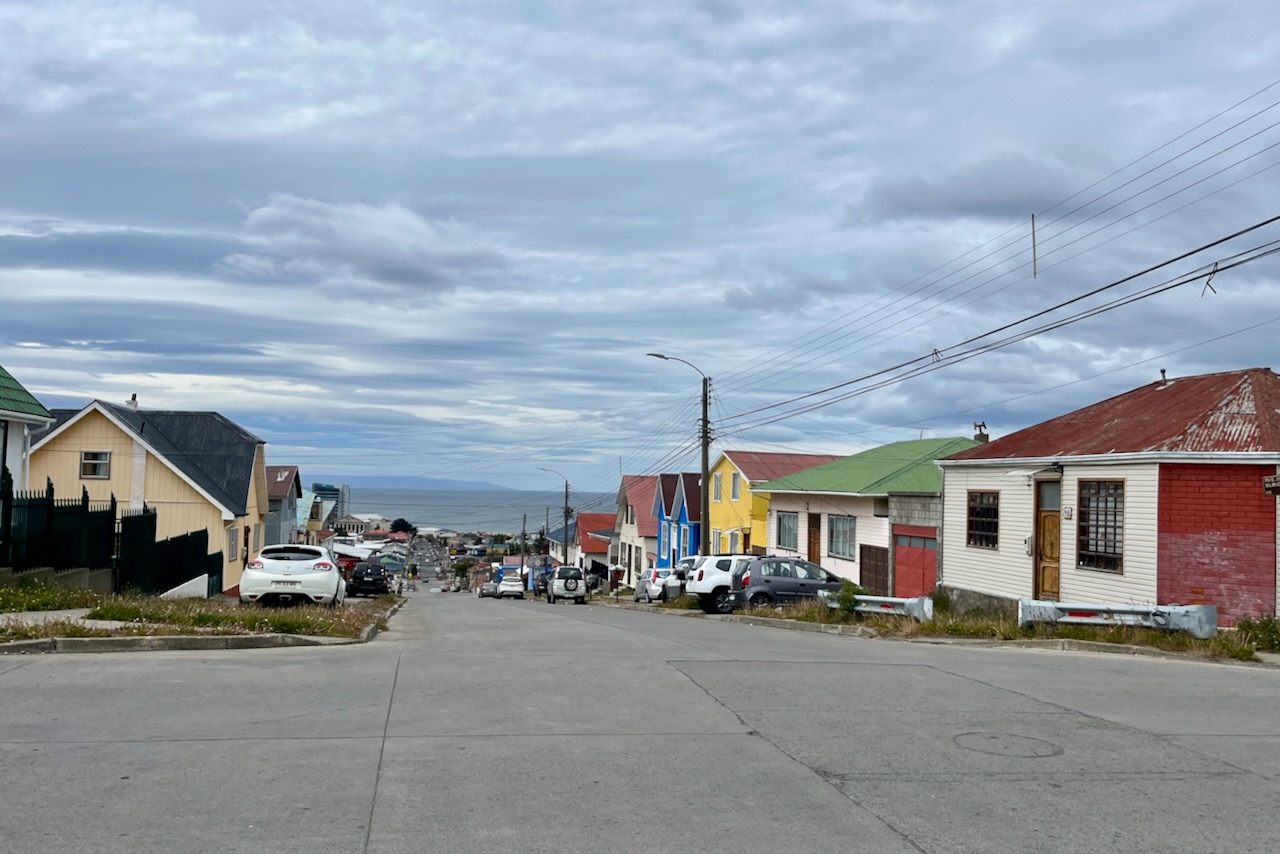
Outside of the city center Punta Arenas is a tidy town with small neat houses, many painted bright colors, and with big windows to catch all the sun that they can get.
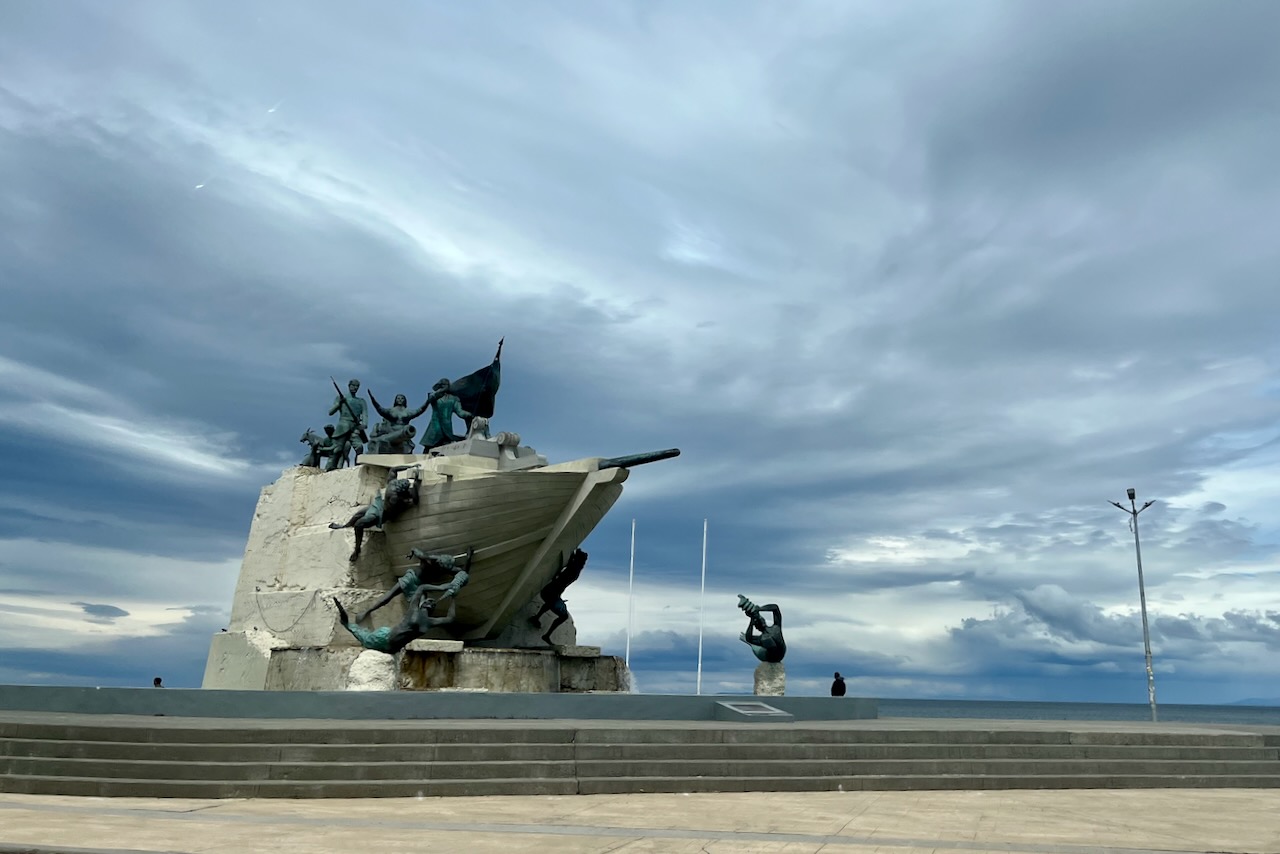
The next day we were picked up in the morning by a tour company van to take us to Tierra del Fuego to see king penguins and learn more about the original people and history of Tierra del Fuego. Several tour companies in Punta Arenas offer this type of tour. We booked through Todo Patagonia. The tour involved taking a public ferry from Punta Arenas to Porvenir in Tierra del Fuego. Then driving around Tierra del Fuego and visiting penguins. Then going to a different ferry, in the north of the Tierra del Fuego to cross Magellan straight at a narrower point, and then drive back to Punta Arenas.
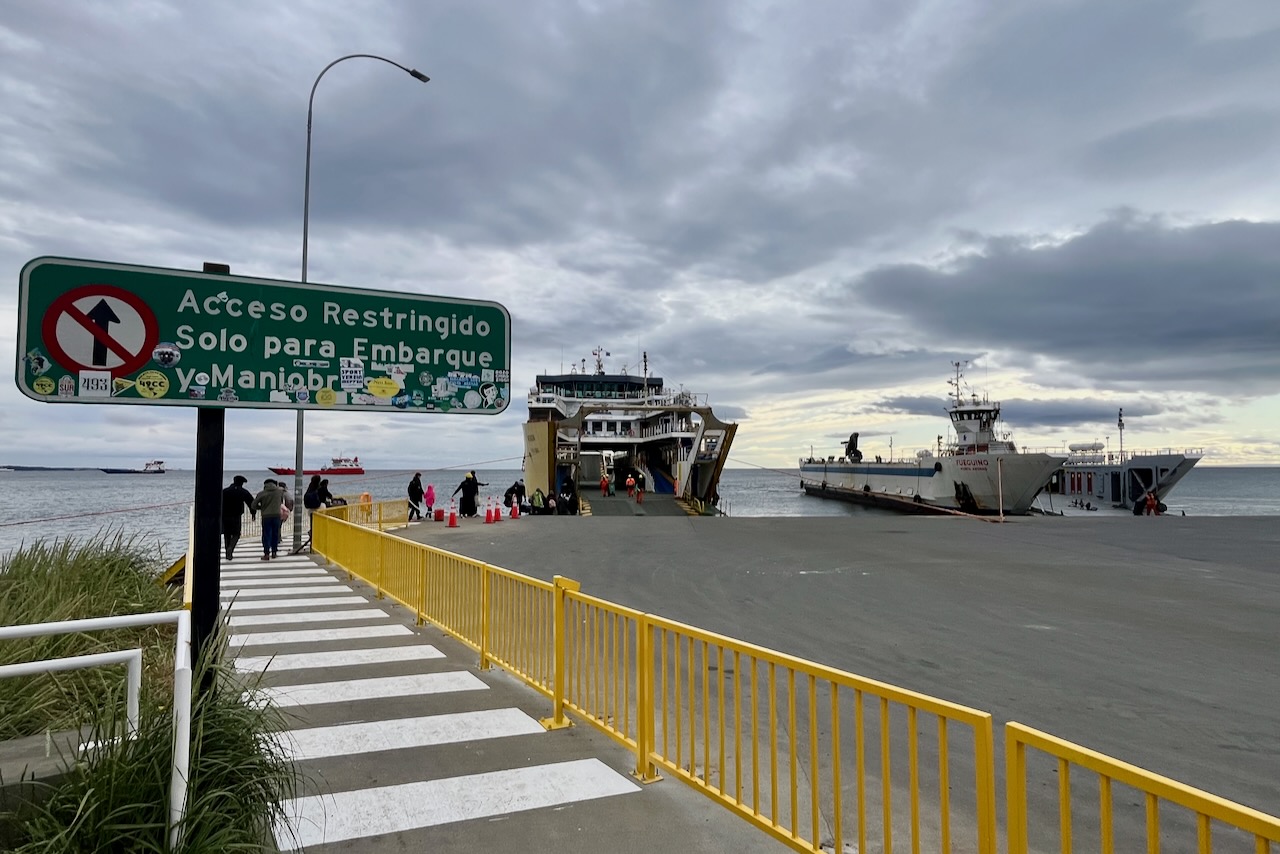
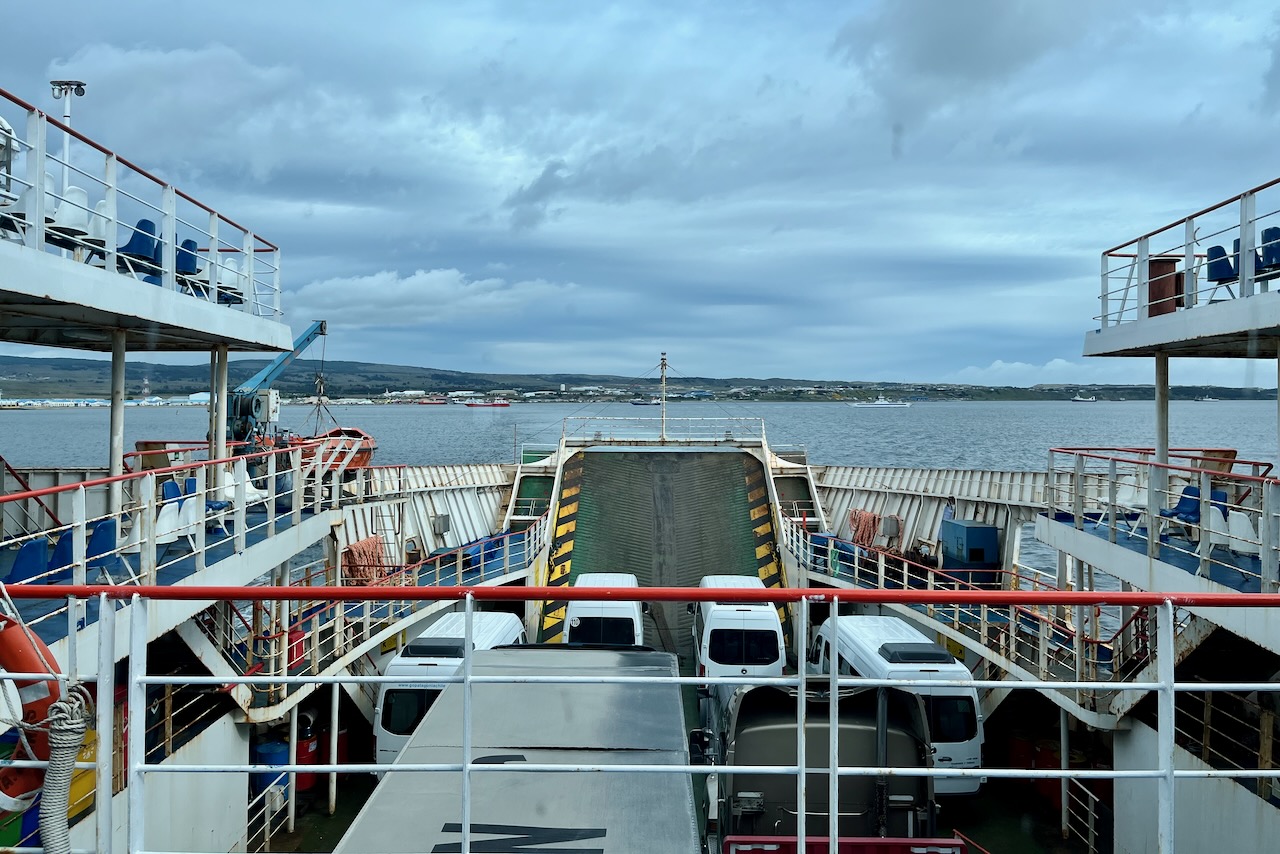
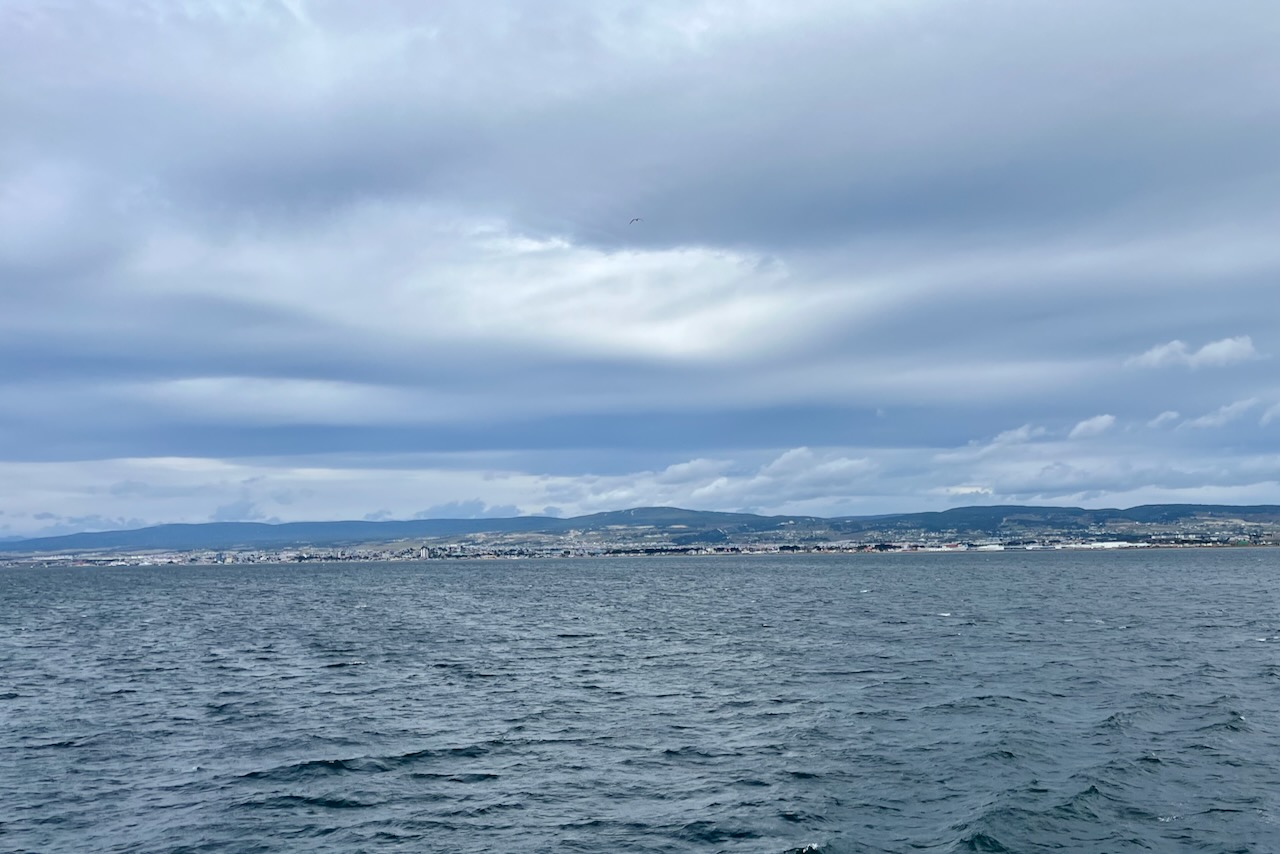
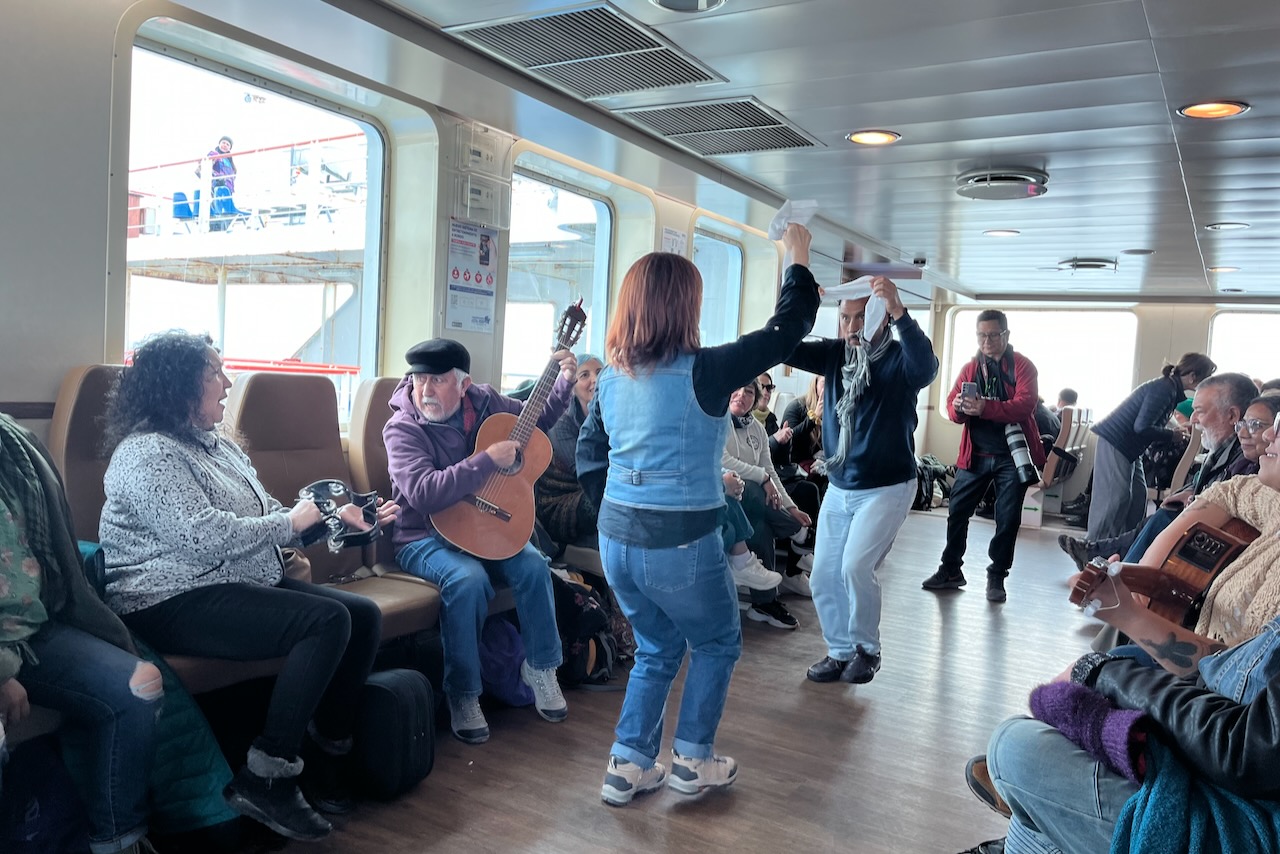
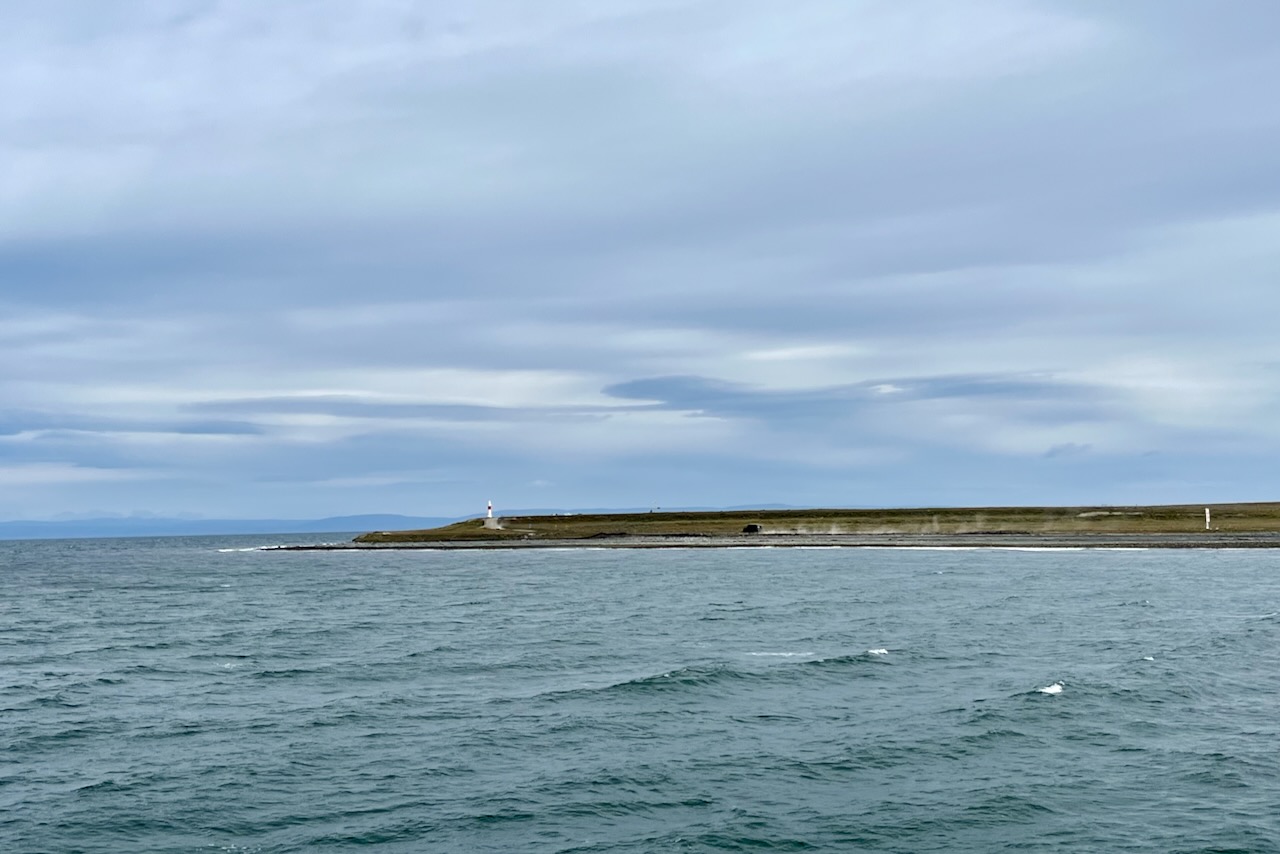
Ferry had a mix of locals and tourists. There was also a group with a video crew. Not quite sure who they were but at some point they started playing music and doing traditional dances with the rest of the passengers enjoying the performance. The sea was calm on the day we travelled but it is not hard to imagine that this is not always the case. The crossing takes about two hours.
Our tour guide was great and we learned a lot about Selknam people who populated the area before European arrival. It is hard to imagine that people were able to survive and thrive in these inhospitable conditions. They were hunters depending on guanaco and had complex beliefs and rituals. Selknam people were exterminated by new migrants as Tierra del Fuego became an important and lucrative location for sheep farming and wool.
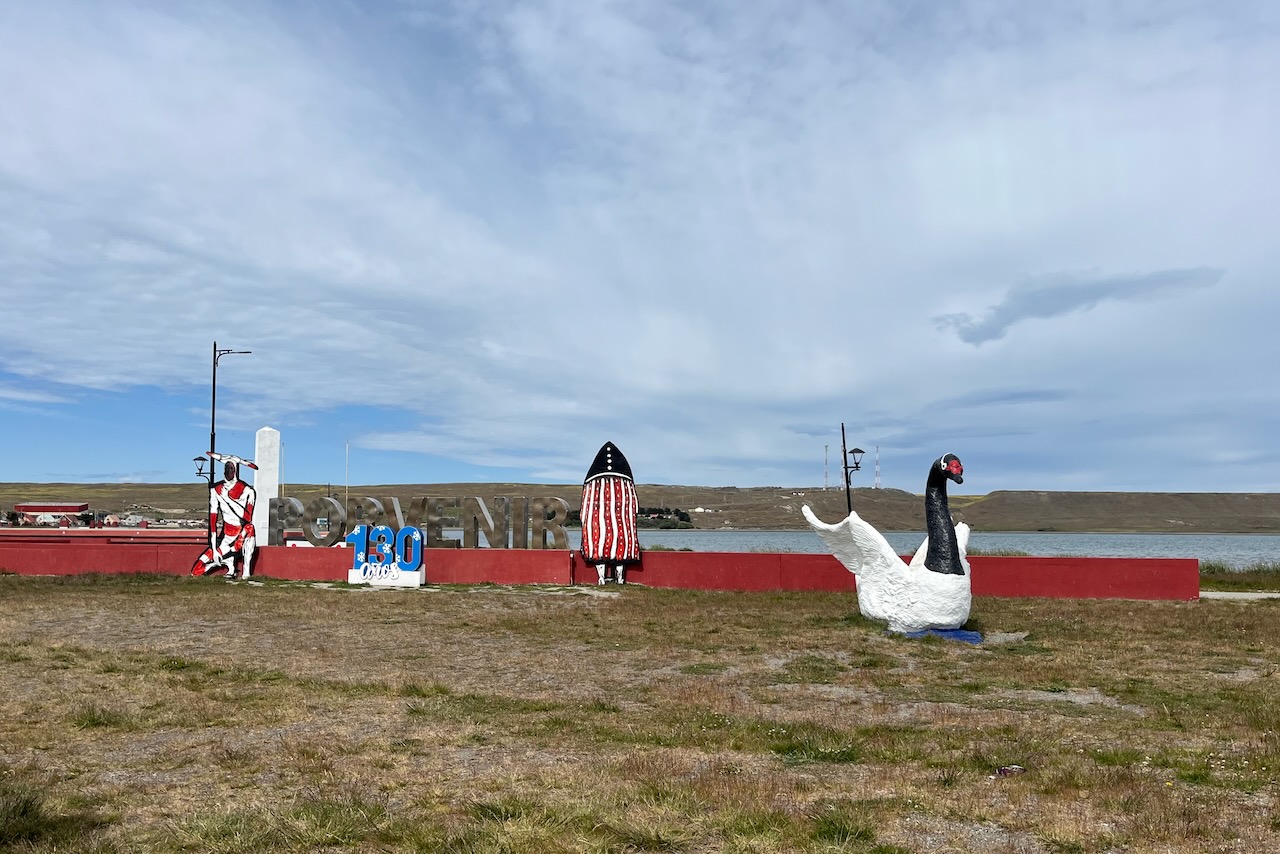
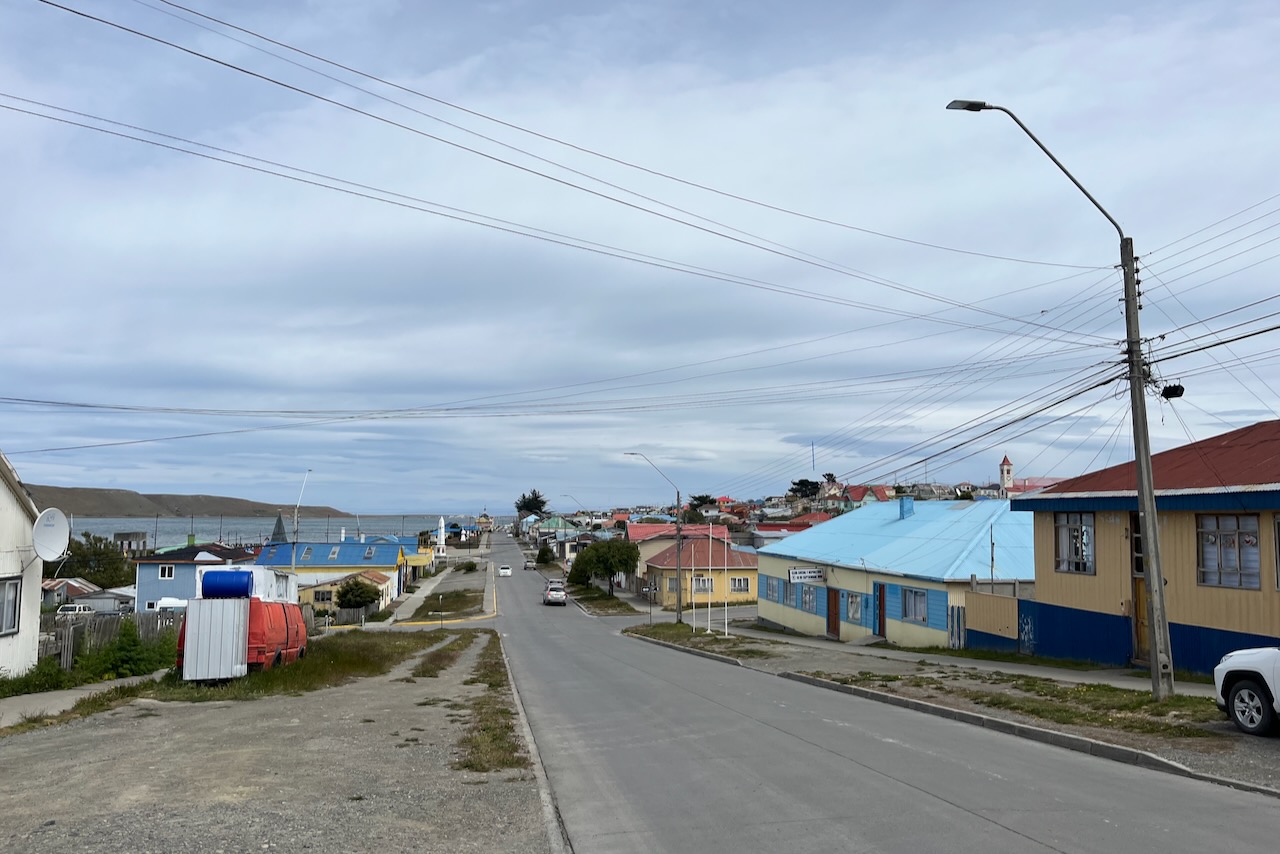
We had a great lunch in one of the local restaurants in Porvenir. Food was very delicious. We felt we must try their grilled meats, but also pastel de choclo, and there was a crab dish, and had to have salad, and there was a desert too. That was a bit of an overestimate of our food absorption capacity, but it was so good and we justified overeating on the basis of needing nourishment to take on rough nature of Tierra del Fuego.
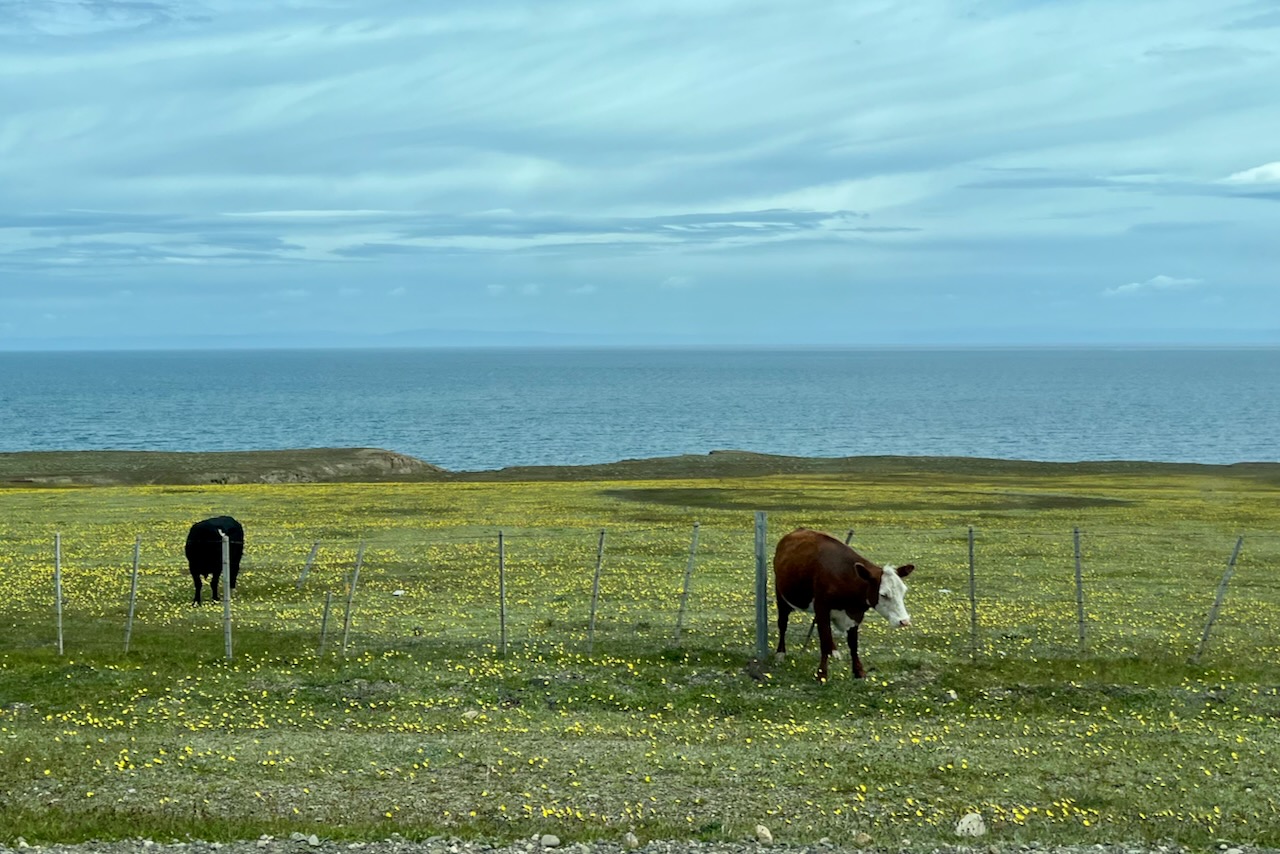
From Porvenir we headed down south to the king penguin colony. Along the way we learned more about history and nature of Tierra del Fuego. Even though we read up on the region’s history ahead of our trip we did not quite appreciate the scale of Chile-Argentina rivalry and border disputes. We had no idea that Argentina and Chile nearly came to war in the late 1970s. Driving around this beautiful wild land at the edge of the world we saw abandoned tanks and learned that there were minefields left over all around. Anti-tank and anti-personnel mines are scattered not just in Patagonia but also in Atacama in areas close to the border. It was profoundly sad to contemplate that war and conflict made its way even to a place so far away and with almost no people. Good thing is that for now at least the region is at peace.
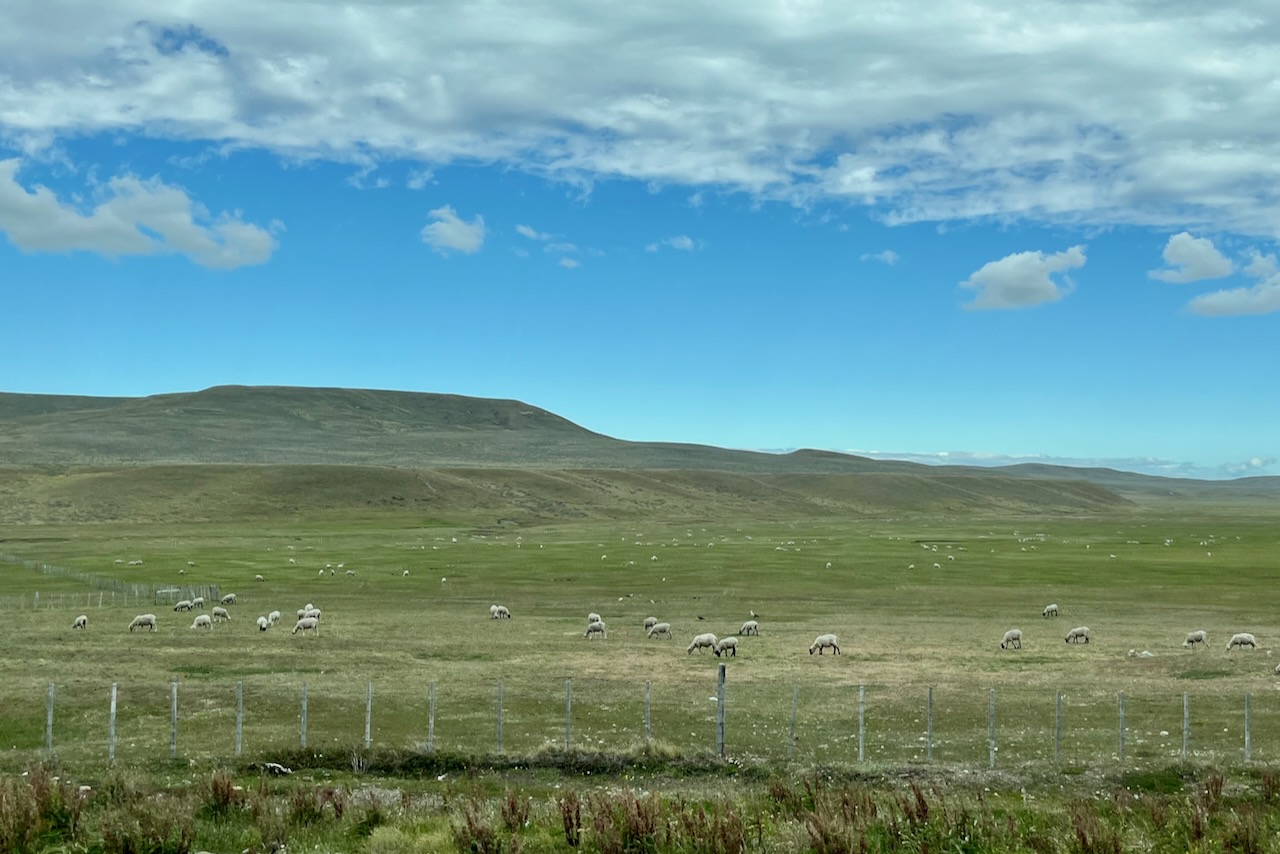
We drove through endless hilly planes with cattle, sheep and guanacos. We learned that beavers are a big problem. They were introduced to estblish fur trade – but have no natural predators. They have been building their dams, messing up water flows and deforesting fragile ecosystem that is Tierra del Fuego. They are trying to control the population now. Another introduced predator is a fox. That one has been eating penguin eggs. Even in the nature reserve for penguins fox is a problem.
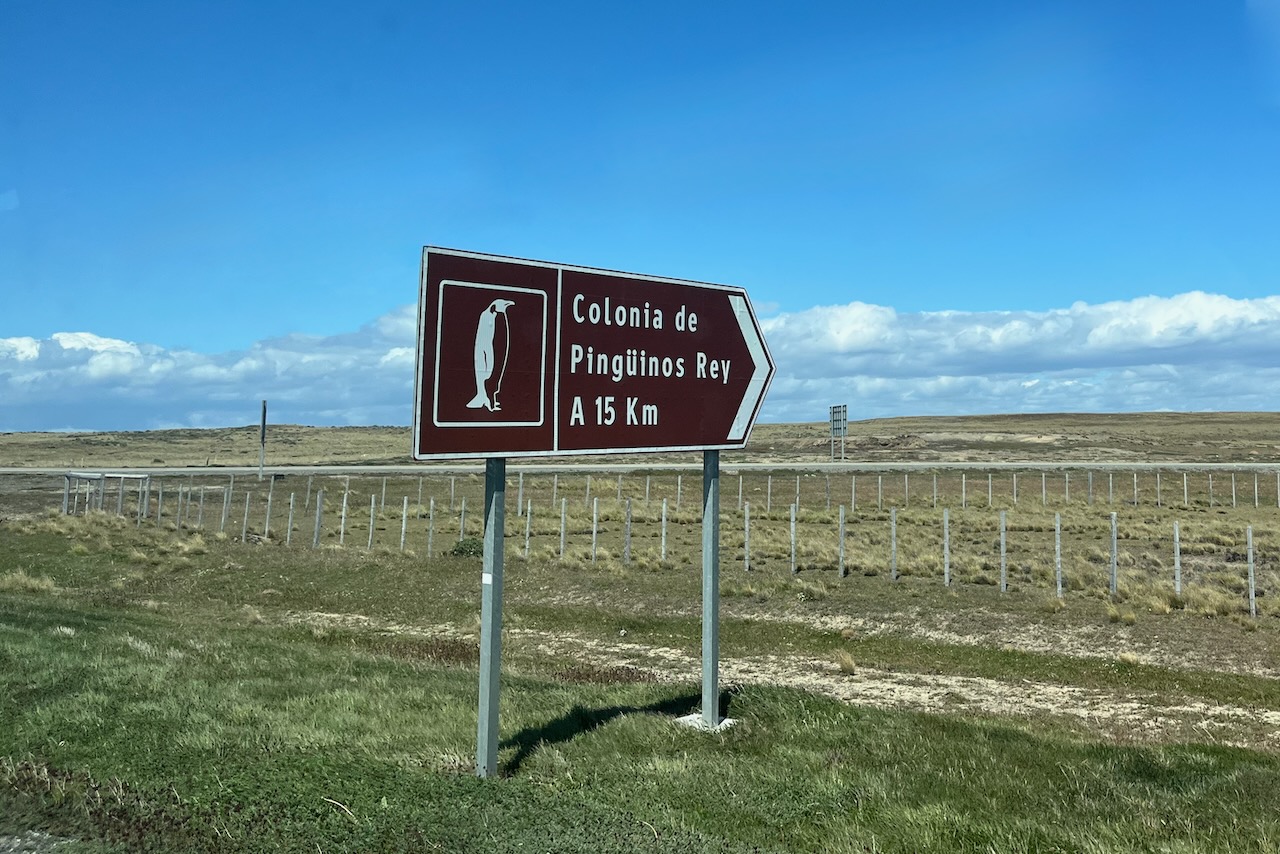
King Penguin Nature Reserve is located in Bahia Inutil (Useless Bay – Patagonia has a fare share of poetic names like this). This is the only place in South America to see king penguins. The penguins were visitors till about 2010 when they decided to settle and establish a colony. Now there are about 200 penguins in the colony. The park is well managed. Penguin viewing hides are across a stream and good 50m away from where penguins hang out. We spent about an hour with them and it was really fun to watch them go about their day, fishing, arguing – or at least it looked like that. There is a scope at the observation deck and we had binoculars and big lens to take pictures.
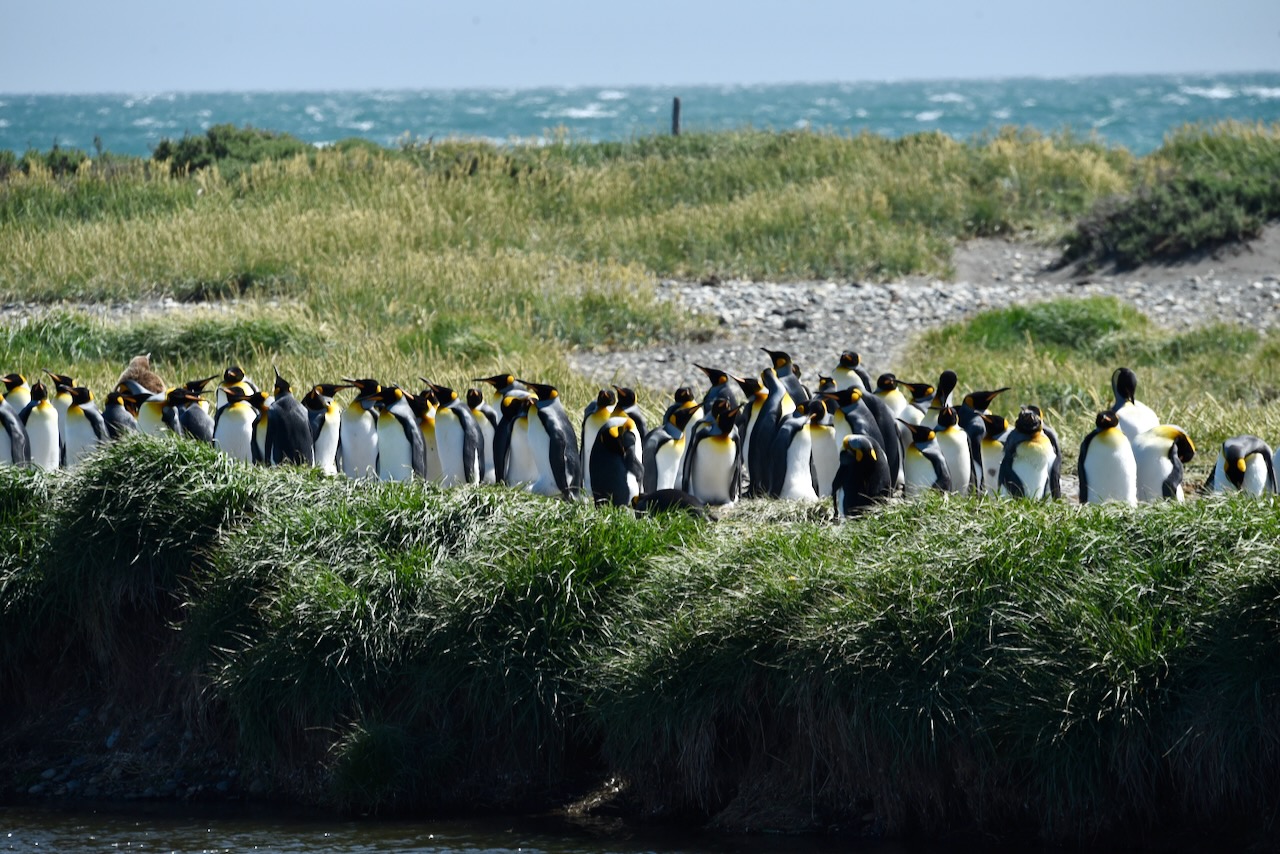
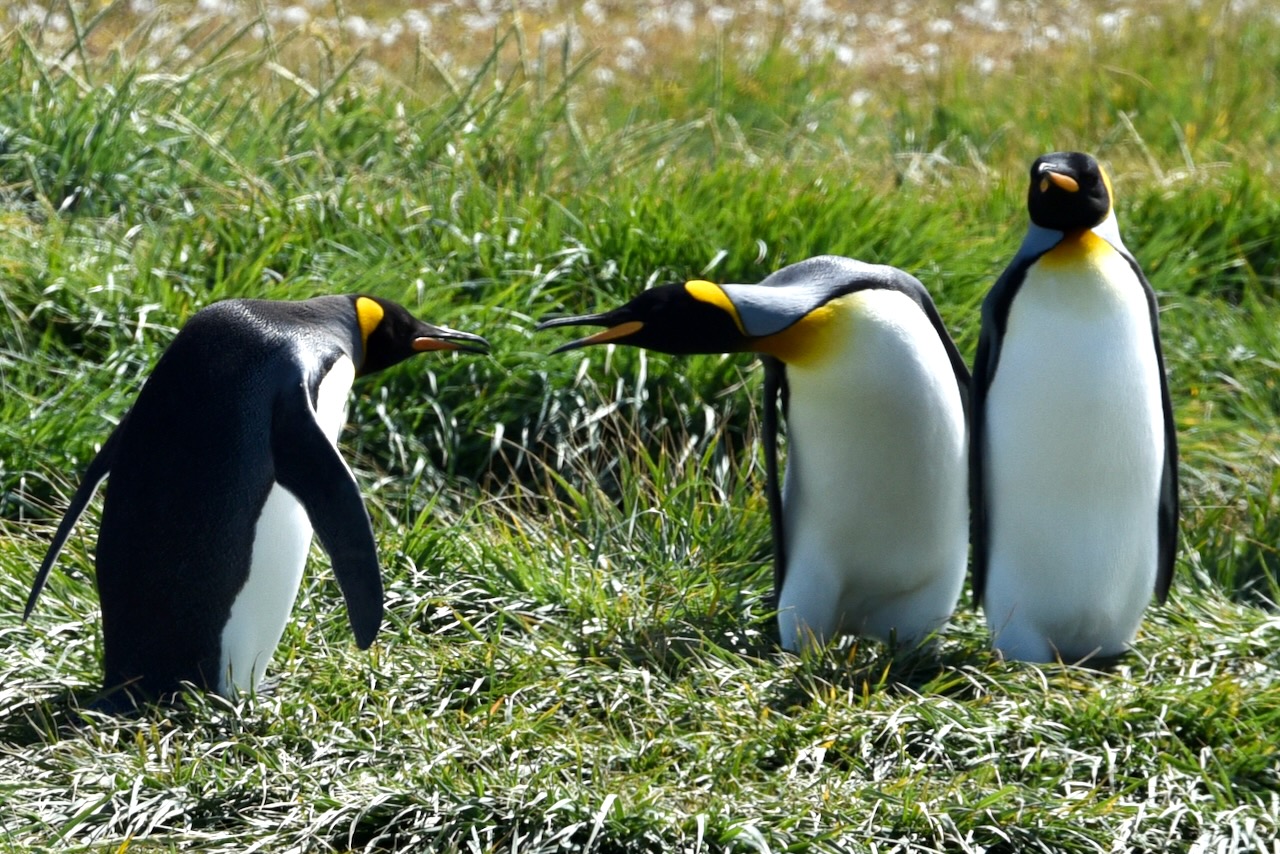
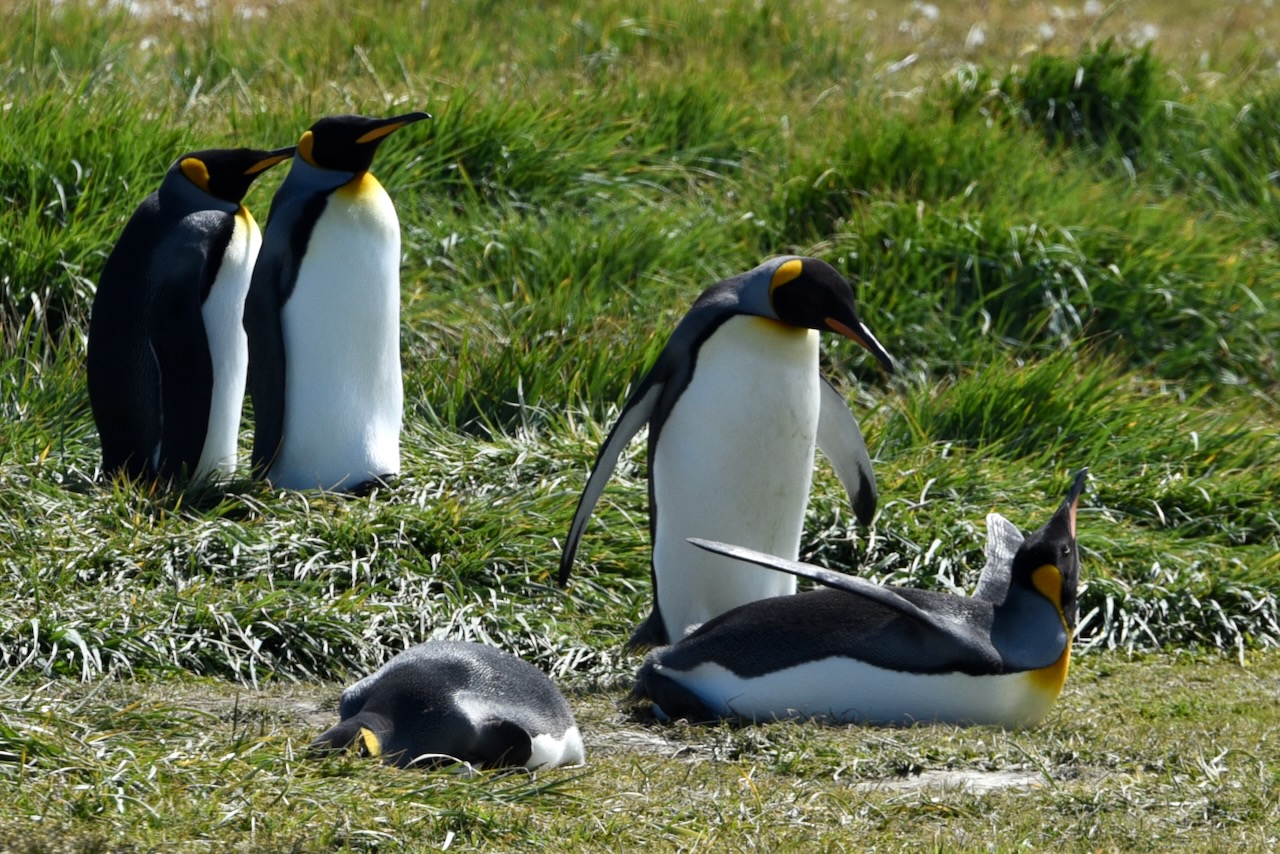
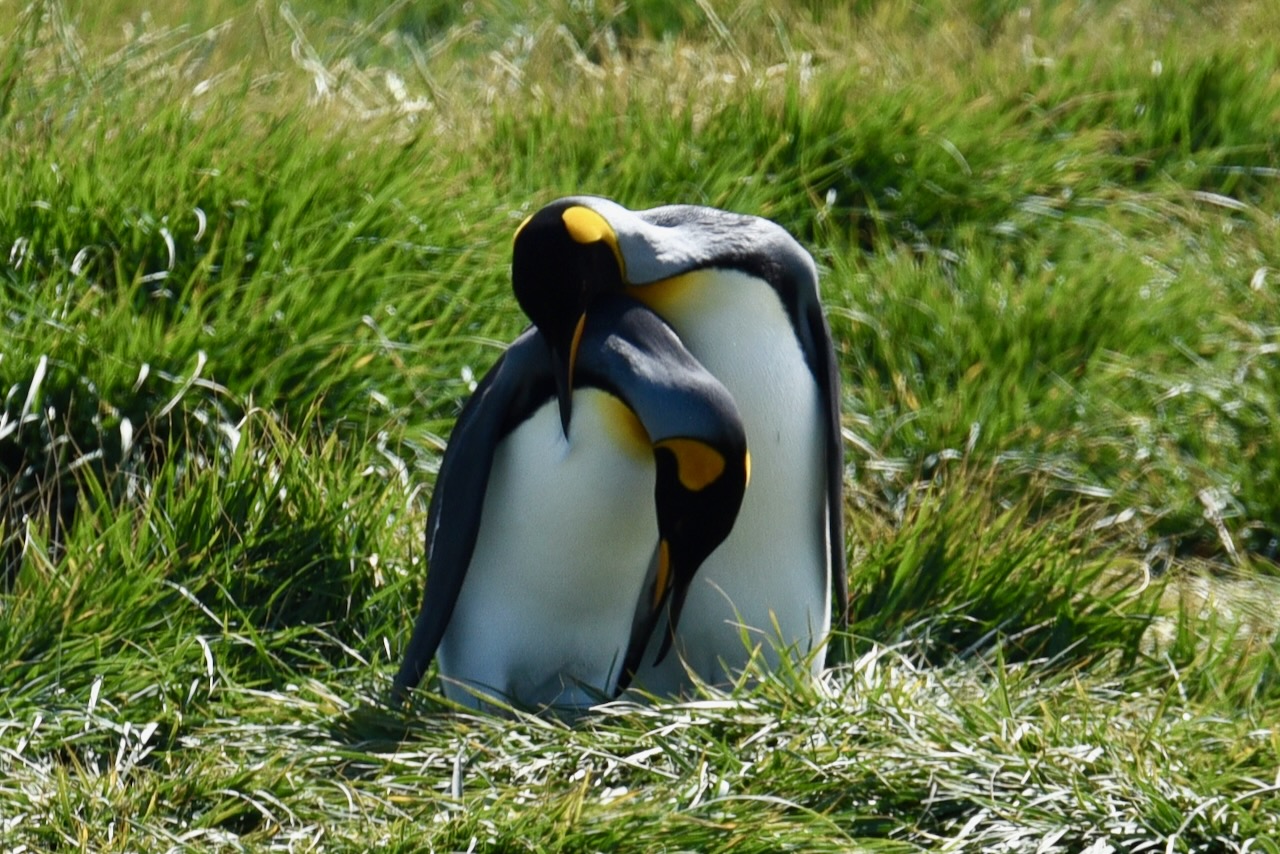
After watching the penguins we headed north of the island to catch another ferry to the mainland at Punta Delgada.
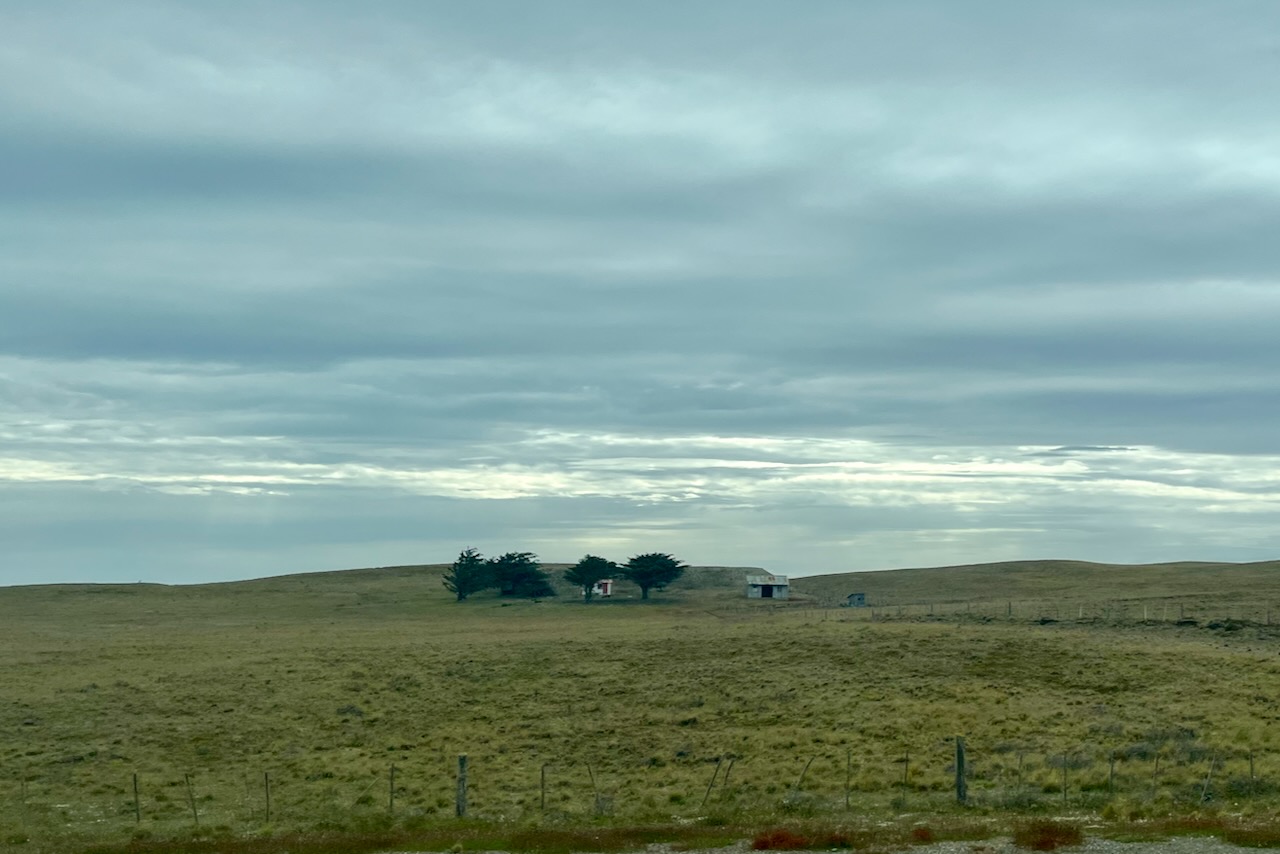
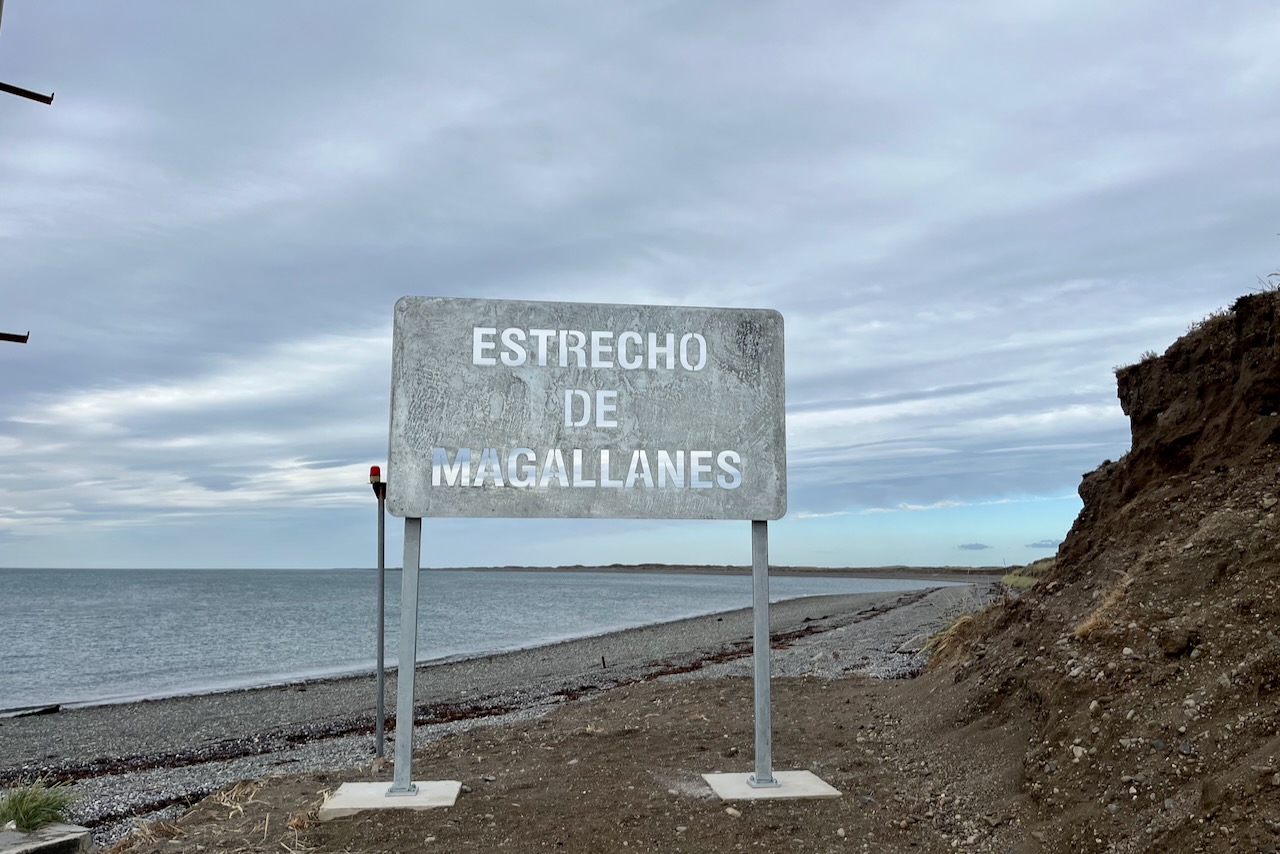
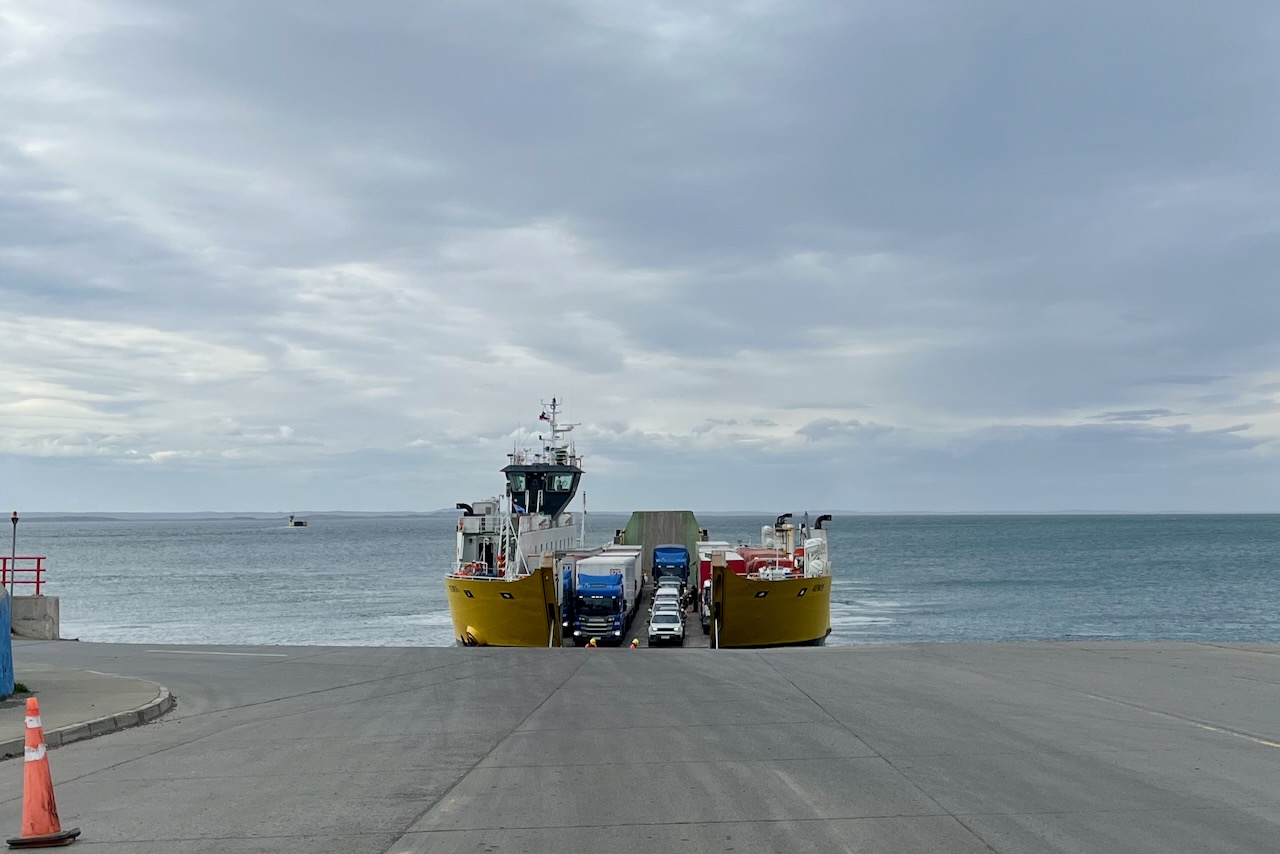
The crossing here only took about half an hour as the straight narrows at this point. We then headed back to Punta Arenas with stops along the way to see ship wrecks and a ghost town – remnants of boom times in early 20th century.
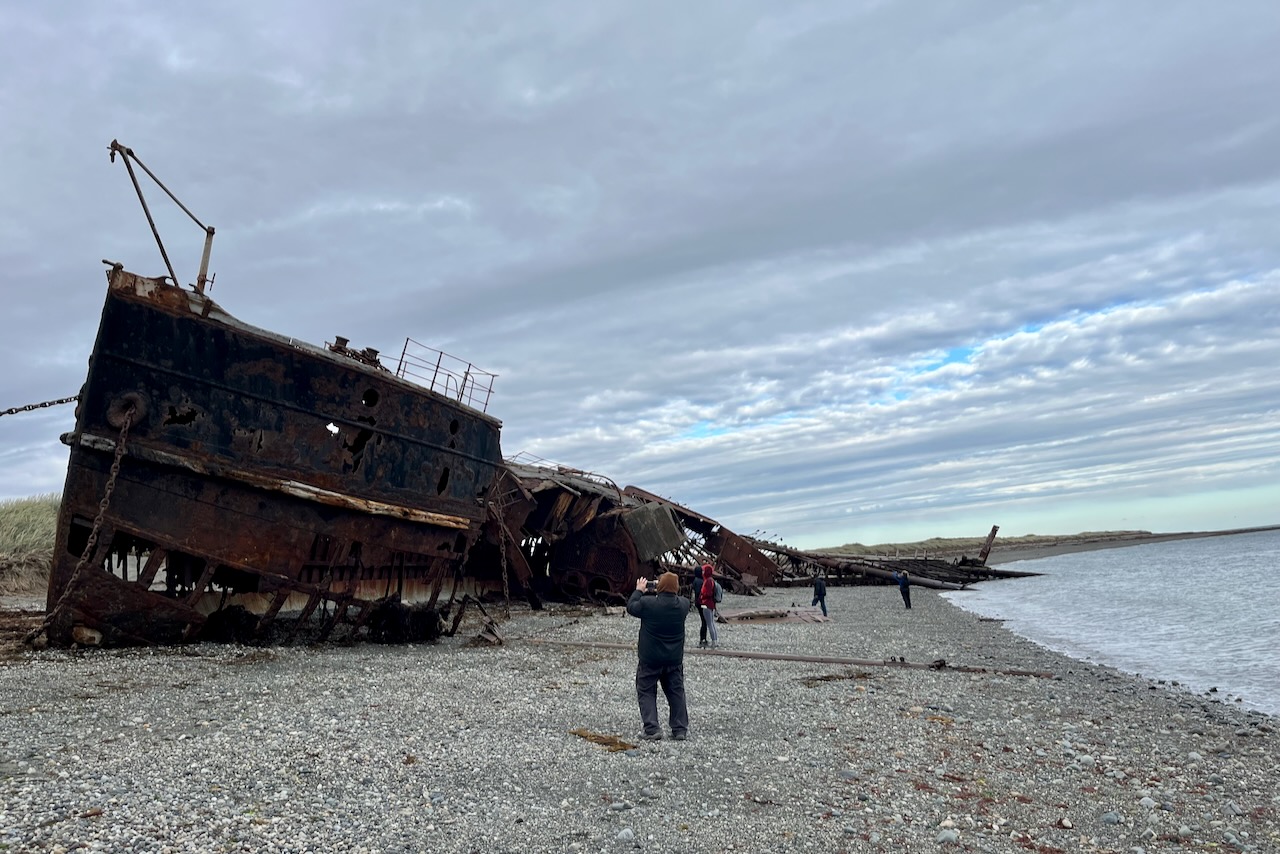
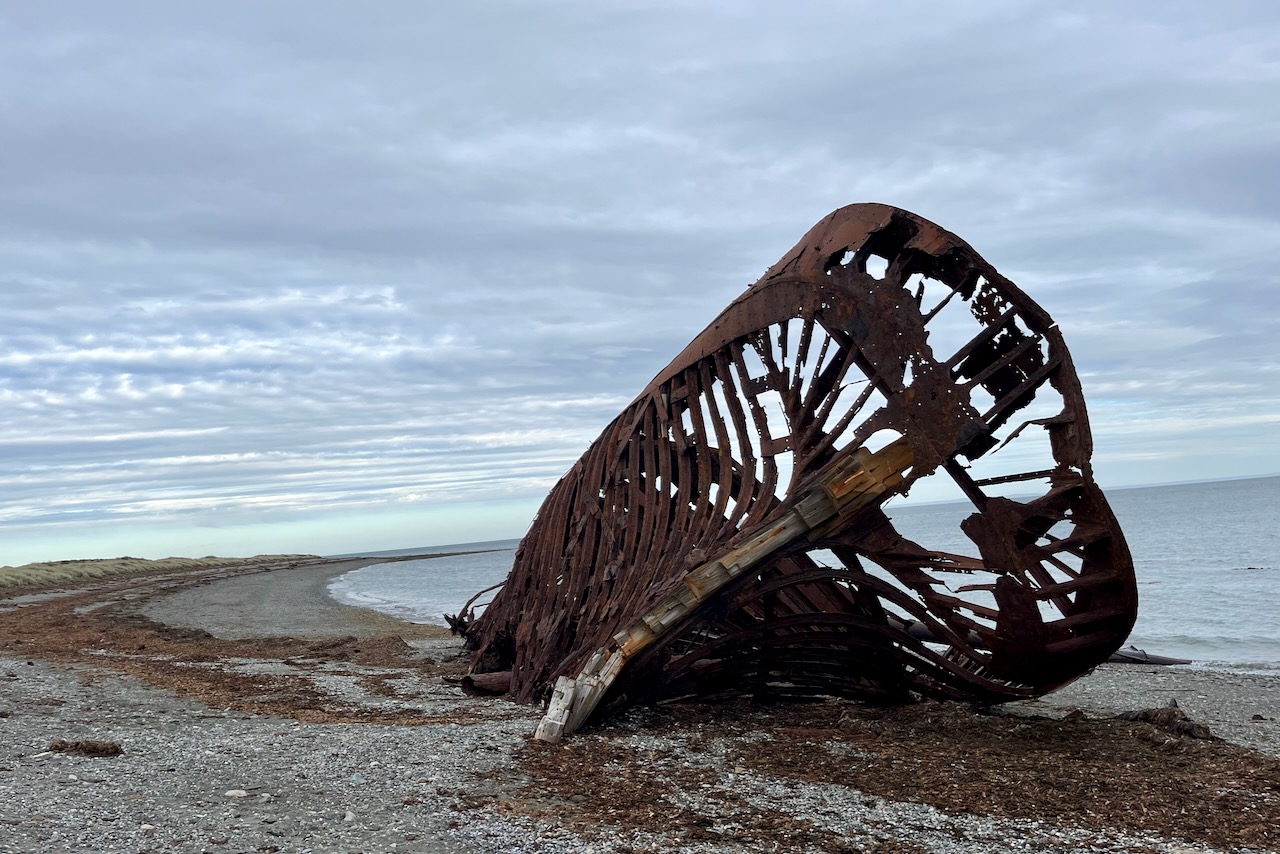
We got back to Punta Arenas close to 9 at night. Good thing is Chileans take their dinner late and we still made it for a phenomenal asada dinner at Parilla Los Ganaderos.
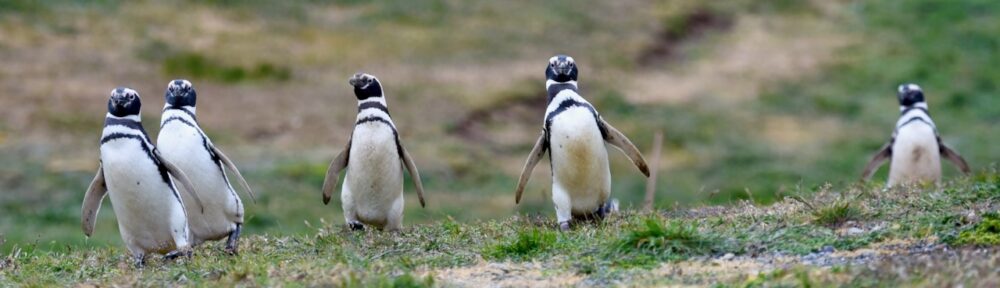
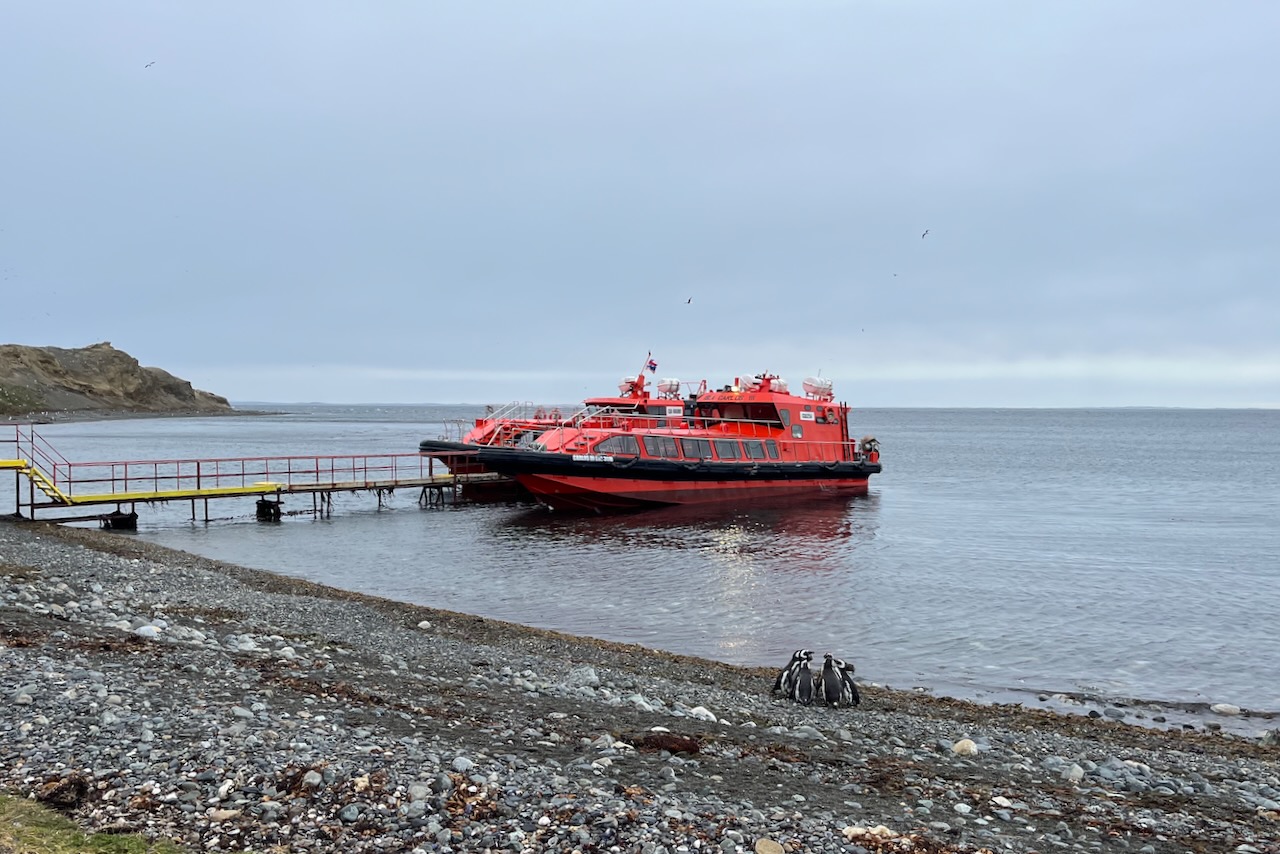
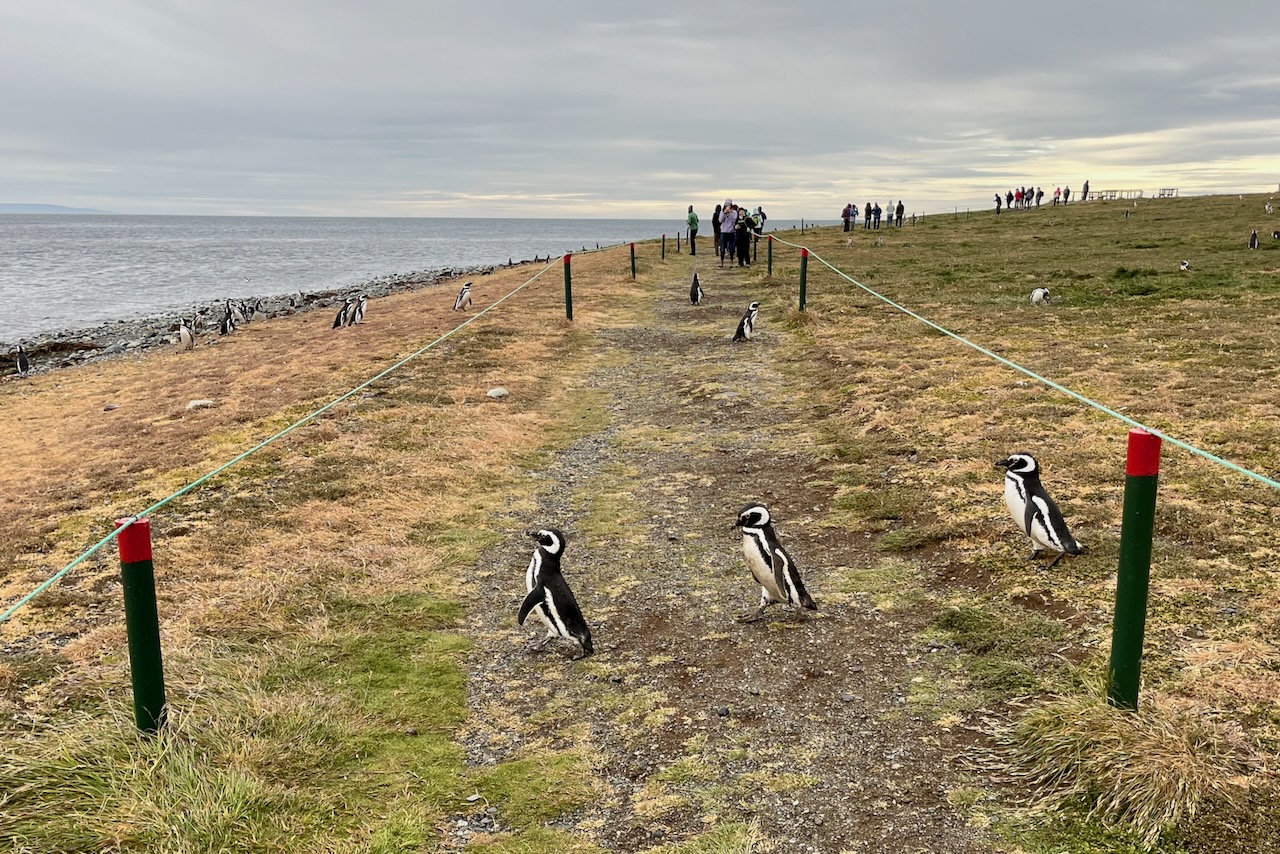
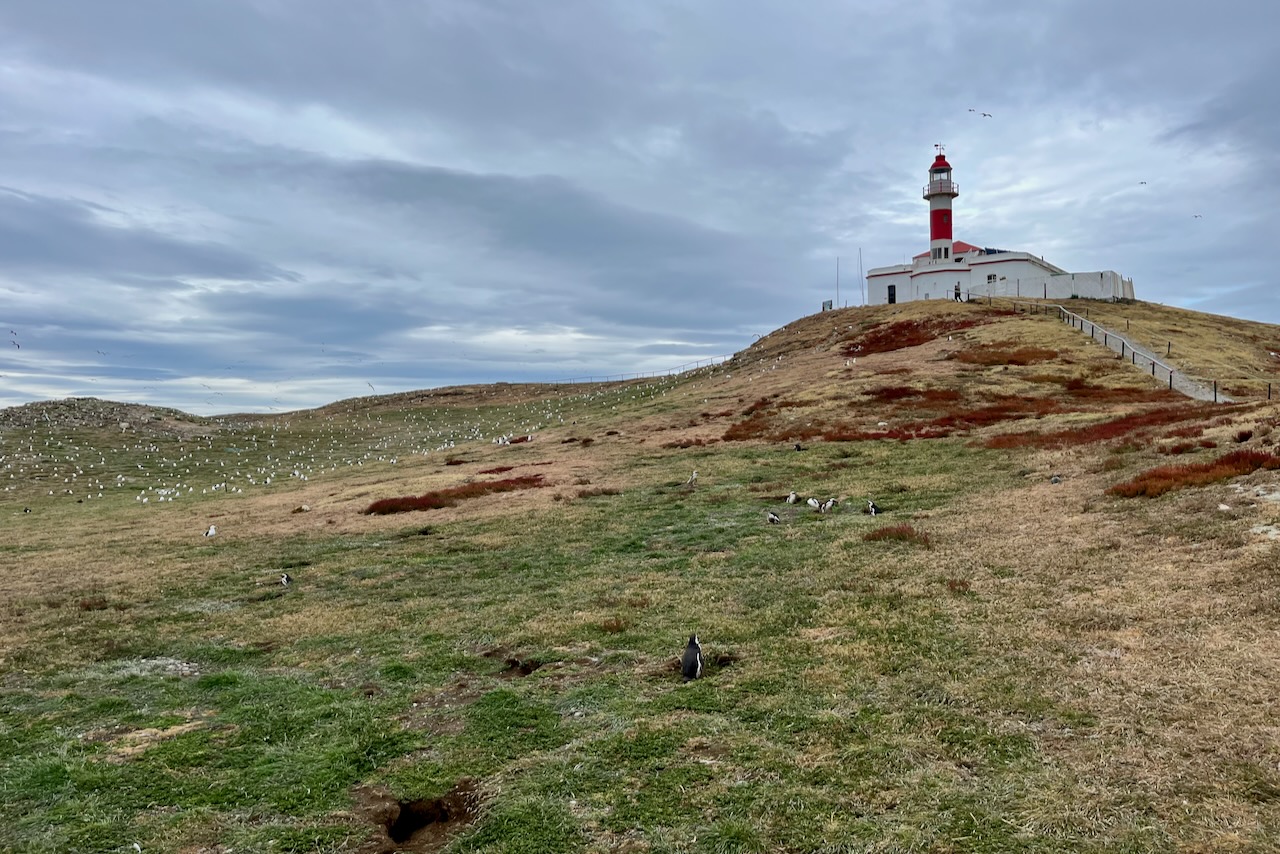
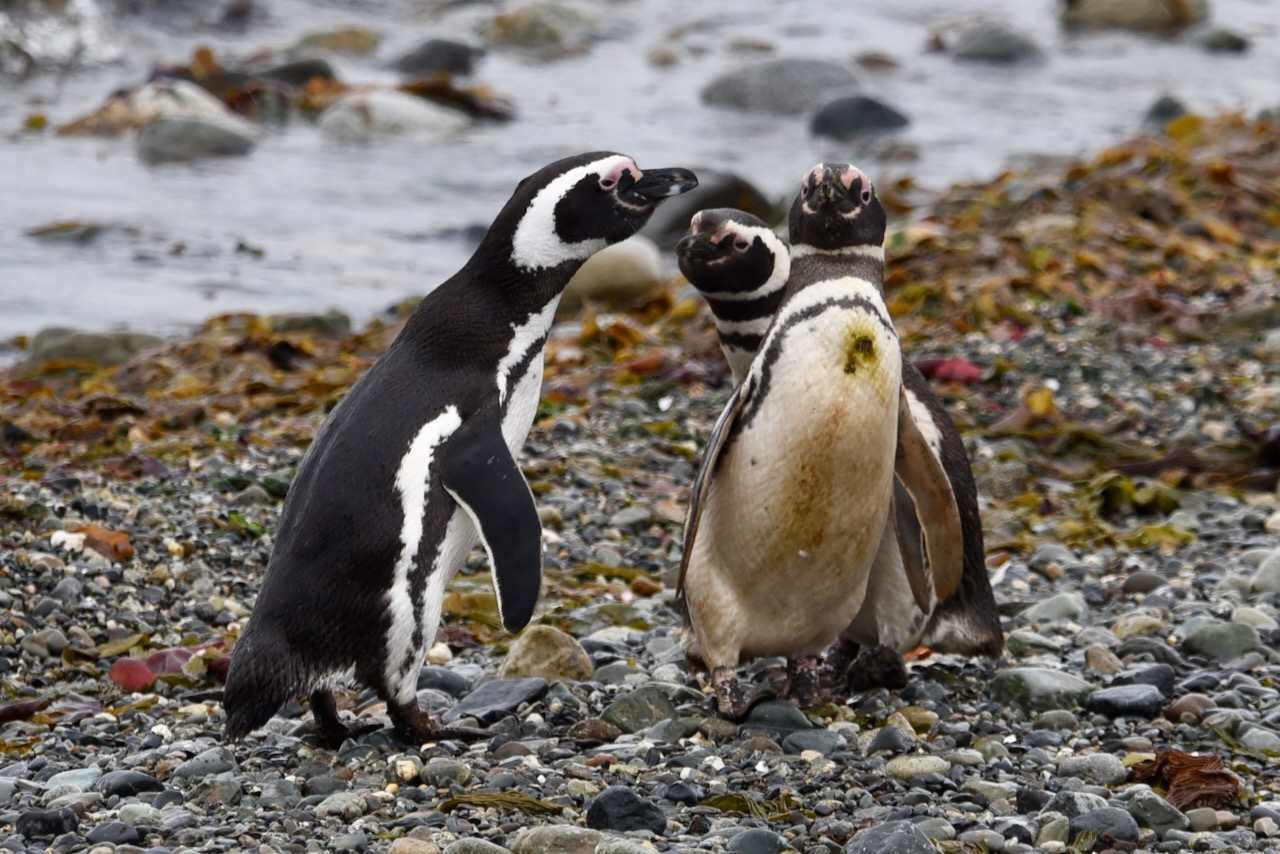
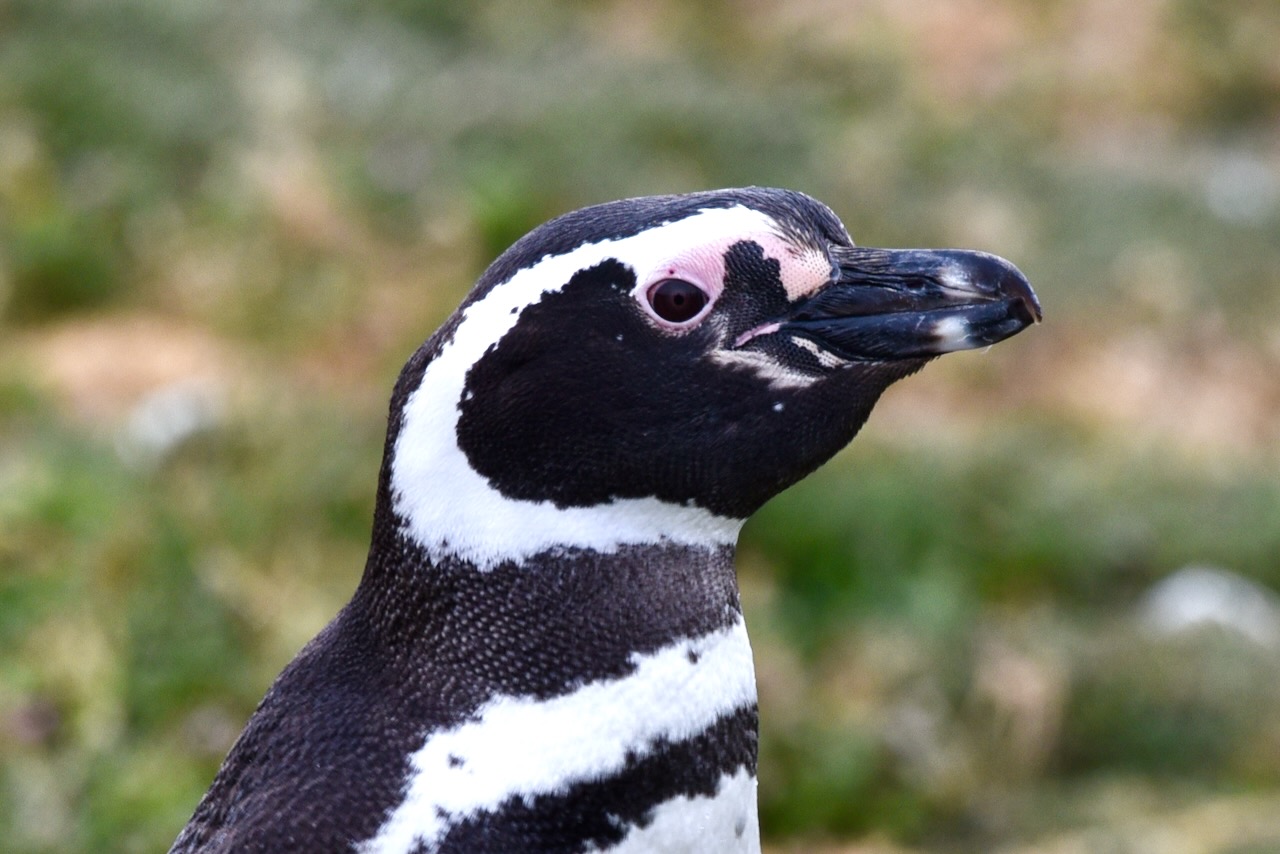
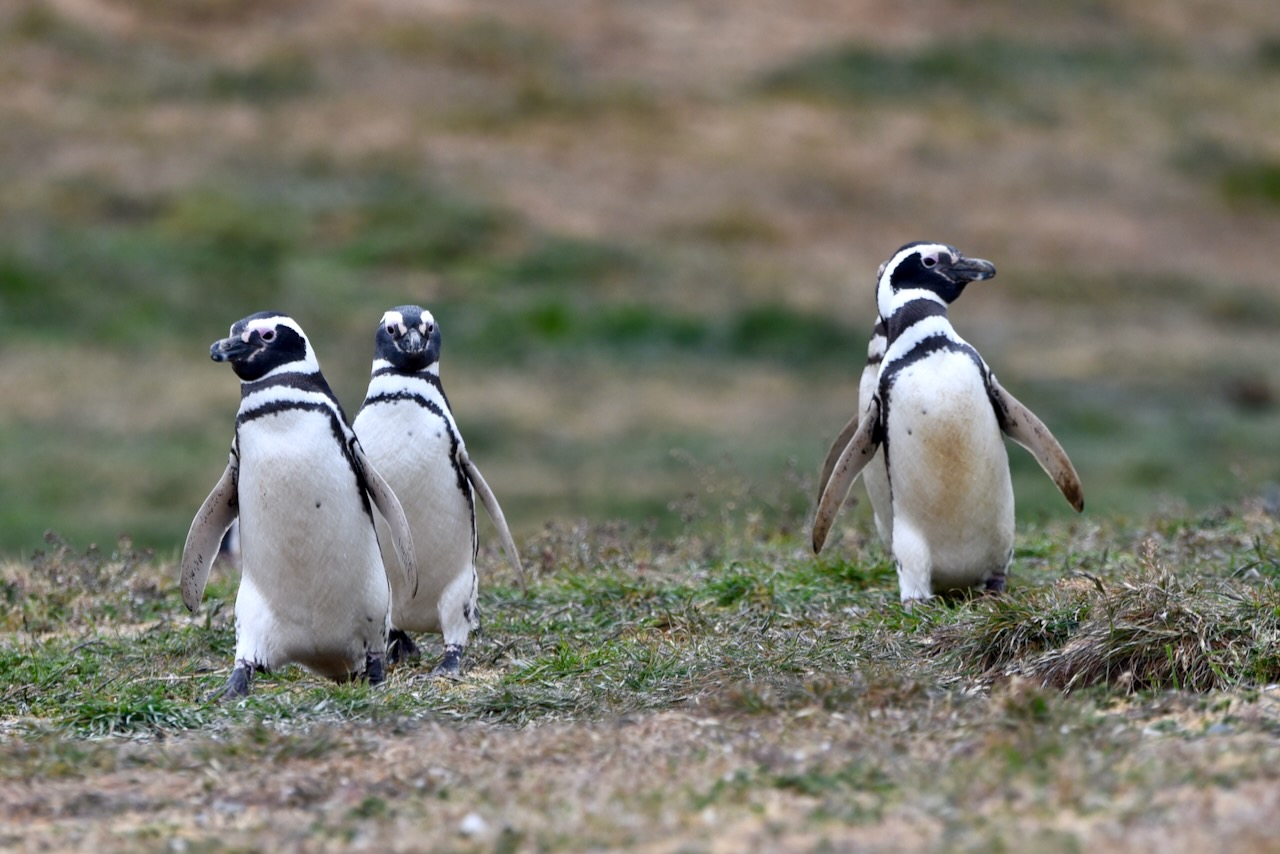
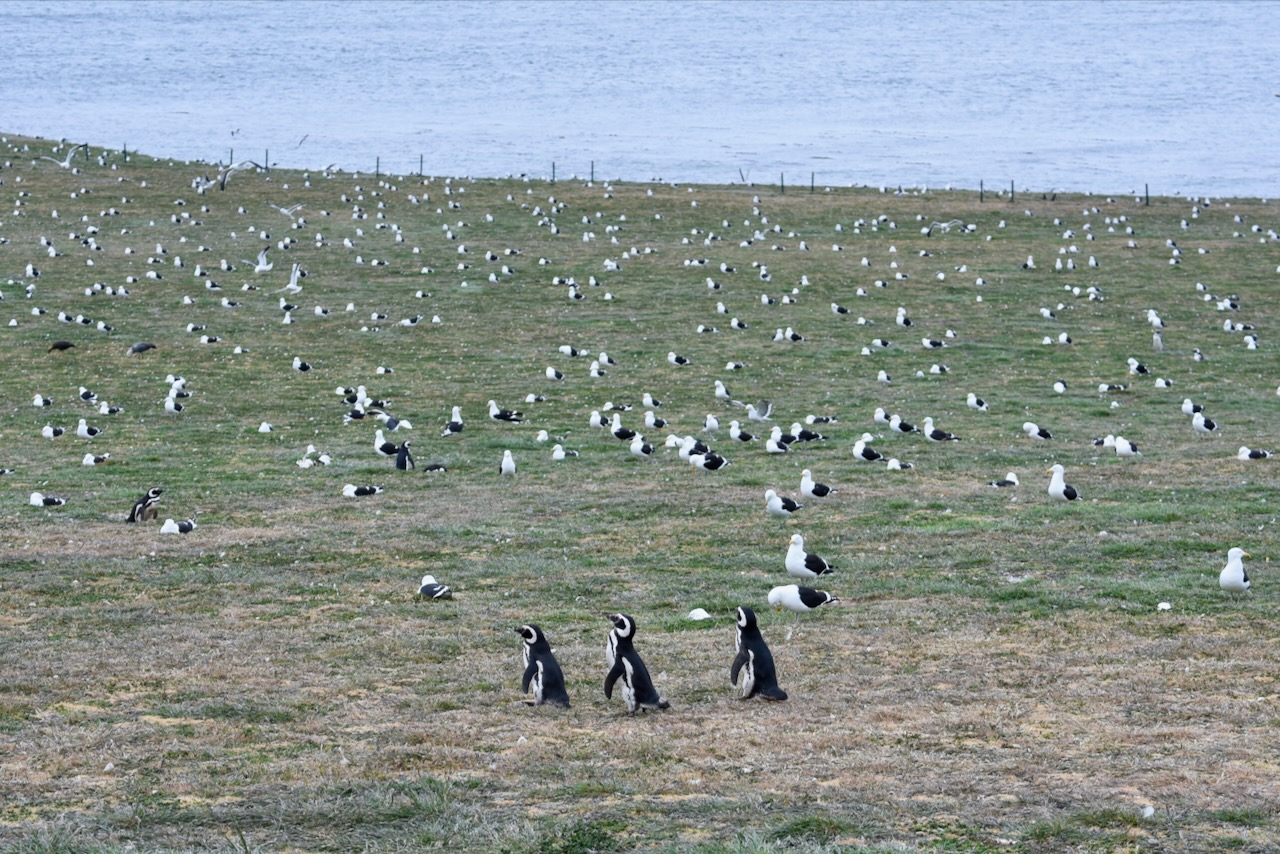
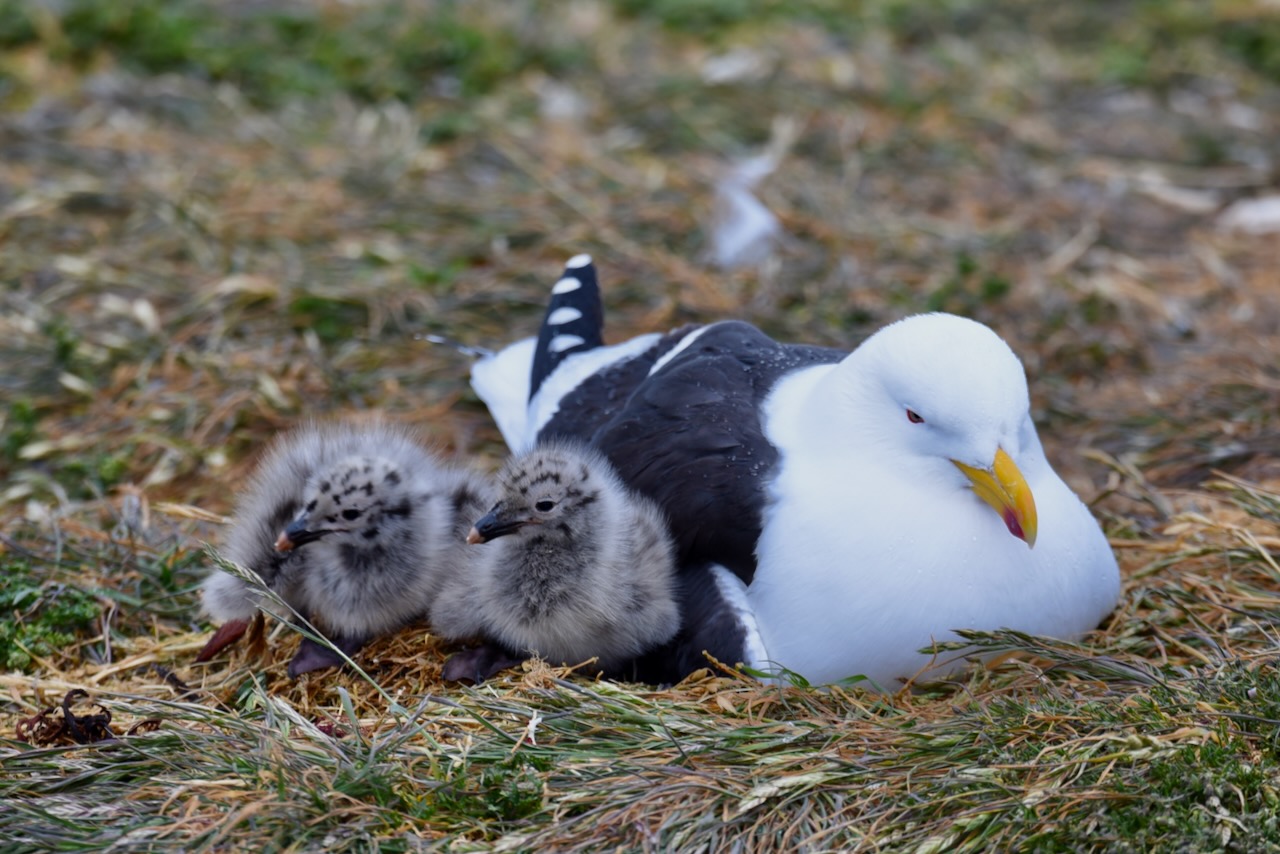
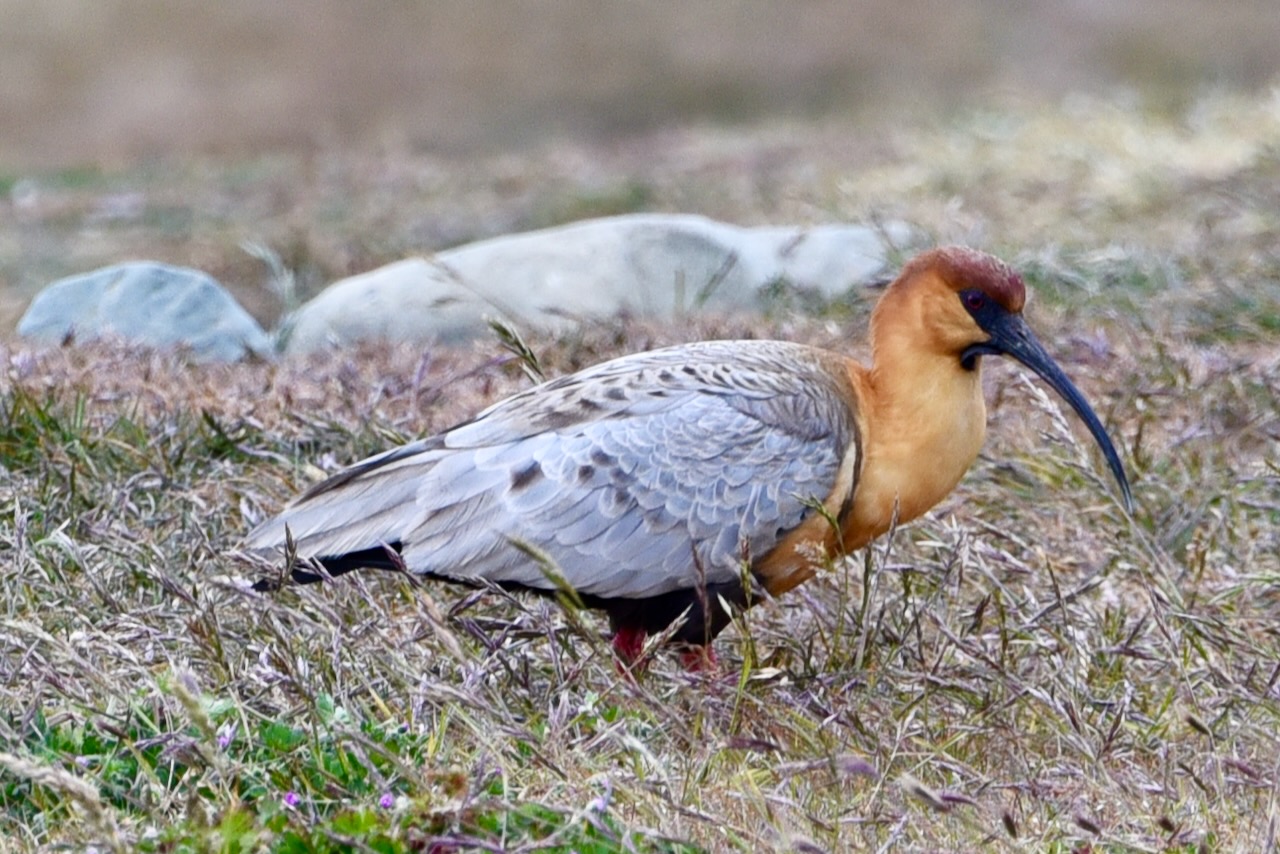
Next day we were up early in the morning again this time to see Magellanic penguins on Magdalena Island. Solo Expediciones runs daily tour to Magdalena and Marta islands to see penguins and sea lions respectively. We walked over to their offices, bought the tickets and loaded on big tourist buses to go to the pier to catch the boat. We were impressed with the scale and efficiency of the operation and attention to safety. Once on Magdalena island, we had 1 hour to roam around and hang out with penguins. There is a trail that visitors must strictly adhere to and give way to crossing penguins. Penguins seem not to care for tourists going about their day catching fish, building their nests, arguing with neighbors, we even saw a couple of them steeling building material from neighbor nests! In early December during our visit baby penguins were just starting to hatch and we only saw a couple of chicks still hidden in their nests. Besides penguins, who number up to 60,000 in the colony, there are also thousands of seagulls and other birds. Magdalena is a noisy and happening island.
After Magdalena island we headed to Marta island to have a look at sea lions there. The viewing is from the boat, no disembarkation.
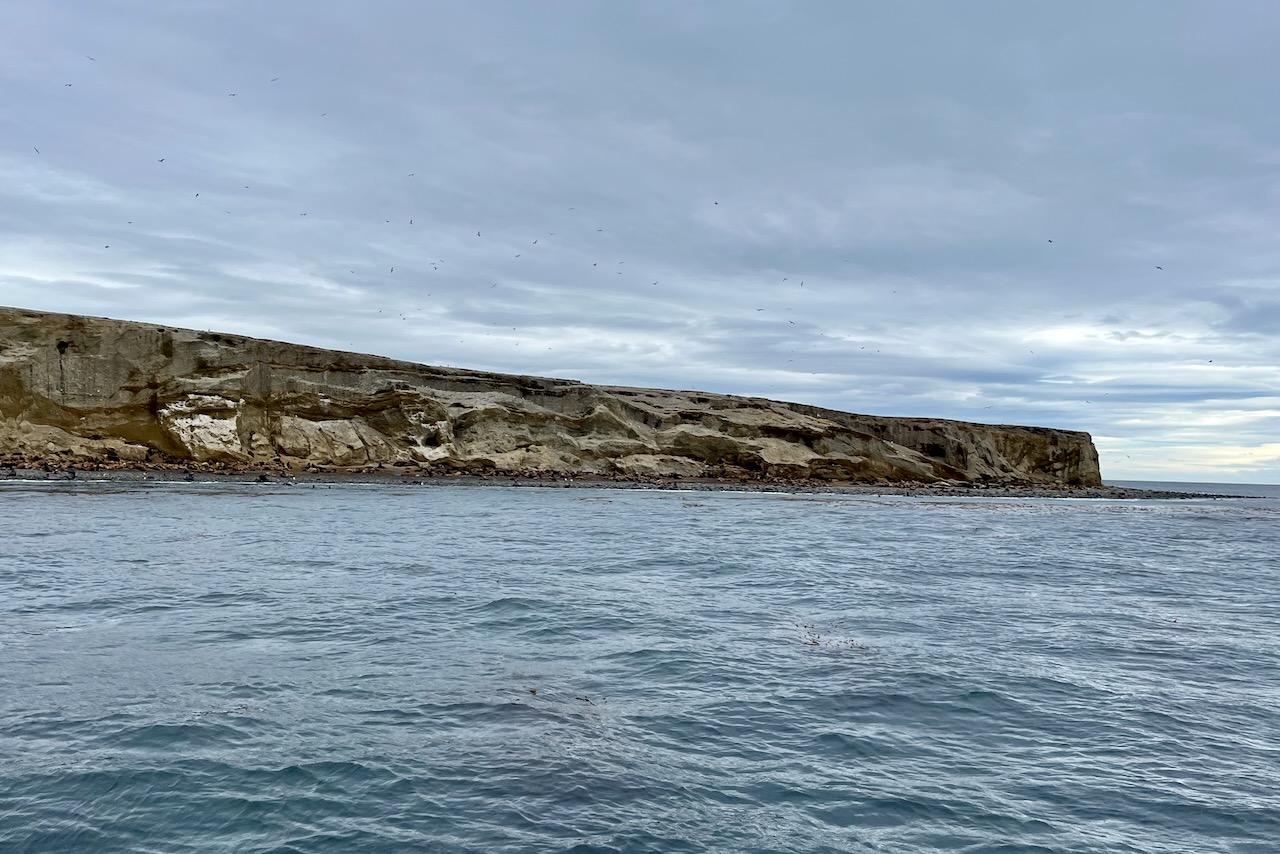
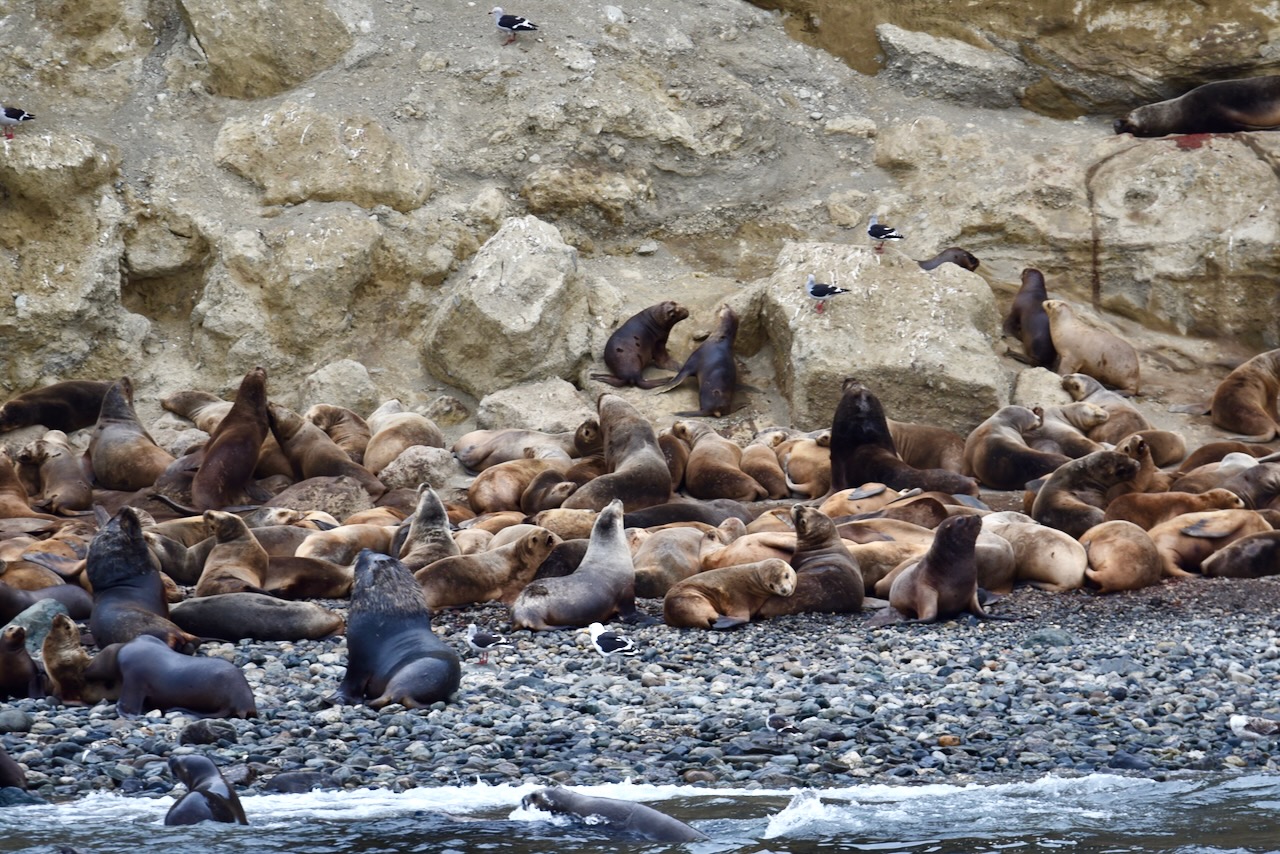
After this we headed back to the mainland and then by bus back to Punta Arenas returning around midday. For us it was time to pick up our rental car and start the roadtrip portion of our trip in Patagonia heading next to Torres del Paine National Park.